Disclosure: This post contains affiliate links. We may earn a commission at no extra cost to you. Our research is independent and unbiased.
Editorial Note: This article was researched with AI assistance and reviewed by licensed veterinary and insurance professionals before publication.
Are Virtual Vet Visits Covered by Nationwide Pet Insurance in 2026?
ER vet tech's take on Nationwide's 2026 telehealth coverage. Learn what virtual visits cover—and when you must rush to the clinic instead.

Pet Insurance Guide Research Team
Independent Analysts
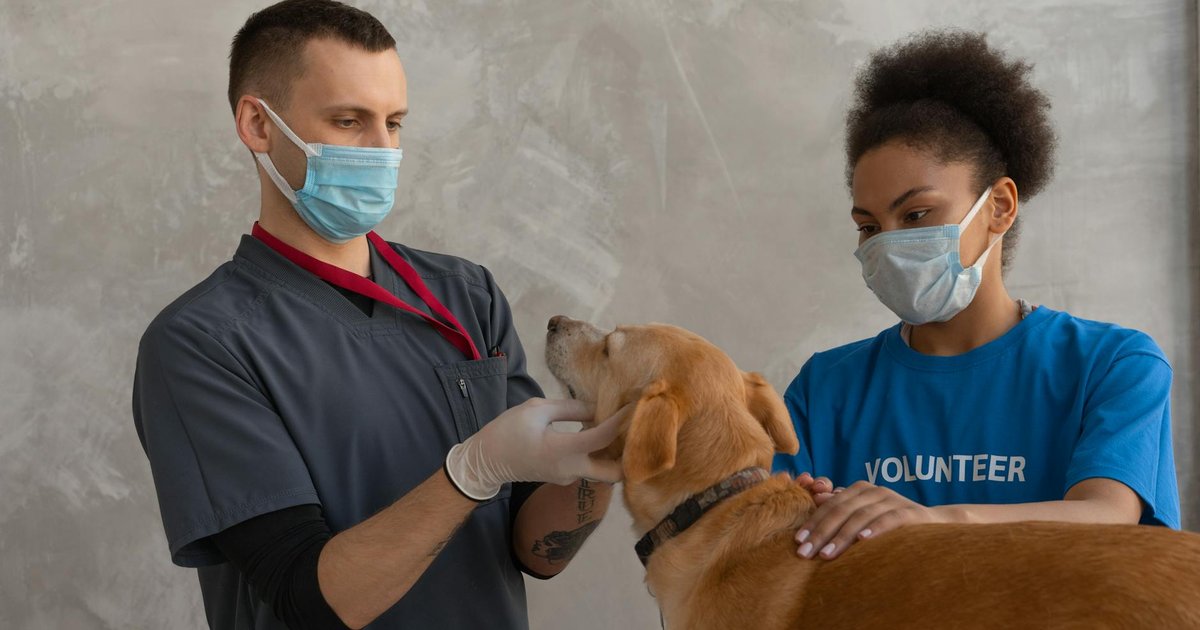
It’s 2:00 AM. Your Golden Retriever just woke you up with that unmistakable, rhythmic heave-heave-heave at the foot of your bed. By the time you find the lamp switch, there’s a puddle of yellow bile soaking into your rug, and he’s looking up at you with those pathetic, apologetic eyes. Now you’re standing there in your pajamas, smelling hot dog vomit, trying to decide: Do I load him into the car and drop $200 just to walk through the doors of my ER, or can this wait until my regular vet opens tomorrow?
After 15 years working triage in an emergency animal hospital, I can tell you that this exact scenario is why virtual vet visits are a total lifesaver—for your sanity and your bank account. Sometimes your dog just has an upset stomach from eating something absolutely disgusting in the backyard. Other times, it’s the early stages of bloat—a twisted stomach that cuts off blood supply and will kill a dog in agonizing pain within hours if we don’t rush them into surgery to physically untwist it.
Being able to video chat with a vet at 2 AM to figure out which situation you’re dealing with is huge. But the question I constantly get from panicked owners is: Will my insurance actually pay for me to FaceTime a vet?
Let’s talk about Nationwide’s telehealth coverage in 2026, straight up, no fluff.
What Actually Happens in a Virtual Visit?
Listen, we can’t listen to a heart murmur or palpate a swollen, painful abdomen through a smartphone screen. Virtual visits are strictly for things we can physically see and talk through.
- The “Weird Rash” Check: If your Frenchie’s belly is suddenly bright red and angry-looking, a video call lets a vet see the inflammation and decide if it’s just a seasonal allergy flare-up or a nasty staph infection that needs oral antibiotics right away. (And let’s be honest, if you own a Frenchie, you’re going to see a lot of skin issues).
- Triage for Toxins: If your cat chewed on an Easter lily leaf—which will rapidly shut down their kidneys and kill them without aggressive, multi-day IV fluid flushing—a virtual vet will take one look and tell you to run, not walk, to my ER.
- Quality of Life Consults: These are the ones that break my heart. Sometimes you just need a compassionate professional to look at your senior, arthritic dog through the camera and talk honestly about whether they are suffering and if it’s time to say goodbye.
Virtual visits are incredible for keeping stable pets out of the chaotic waiting room, but they will never replace the hands-on diagnostics we run in the clinic.
Nationwide’s Setup: The Good and the Frustrating
Here’s the reality with Nationwide in 2026. Yes, their standard accident and illness plans will reimburse you for a virtual vet visit, but there are a few catches you need to know before you bother submitting a claim.
First, the virtual visit has to be for an eligible condition. If you’re doing a telehealth call to ask about managing your cat’s diabetes, and that diabetes was diagnosed before your policy kicked in? Claim denied.
But if your perfectly healthy mutt suddenly starts limping after a rough game of fetch, and you pay $75 for a virtual consult on Vetster or Dutch, Nationwide treats that exactly like an exam fee at your local clinic. Once you’ve met your annual deductible, they’ll reimburse you at your 70%, 80%, or 90% rate.
The VetHelpline Confusion
Nationwide pushes their ‘VetHelpline’ hard as a 24/7 perk included with your policy. Let me be blunt: VetHelpline is great for advice, but it is NOT a virtual vet visit.
The folks on the Helpline are there to give you triage guidance—“feed him plain boiled chicken and rice” or “get to the ER right now”—but they aren’t going to officially diagnose your pet or call in a prescription for antibiotics to your local pharmacy. If you use a third-party telehealth service where a licensed vet legally establishes a doctor-patient relationship and prescribes actual treatment, that is a claimable virtual visit.
How Nationwide Compares to the Rest
Working the ER desk, I see clients crying over bills from every single pet insurance company out there.
- Lemonade is slick. They are built for smartphones, so doing a virtual visit and filing a claim on their app takes seconds.
- Trupanion is my absolute favorite for massive, catastrophic ER bills because they can pay us directly at the hospital. But for a $70 virtual visit, you’re usually just paying out of pocket and submitting the receipt anyway.
- Embrace is solid. Like Nationwide, they don’t care if the exam fee is from a brick-and-mortar clinic or a laptop screen, as long as the underlying injury or illness is covered.
Nationwide is perfectly fine here. They aren’t reinventing the wheel with telehealth, but they aren’t punishing you for using it, either.
Is Telehealth Worth Submitting a Claim?
Let’s be real. A virtual visit usually runs around $60 to $90. If your Nationwide deductible is $250 and you haven’t touched it yet for the year, you aren’t getting a check back for that video call. It just chips away at your deductible balance.
But here’s why you still need to submit it: Every single dollar counts.
If that minor limp turns out to be a torn ACL three weeks later, requiring a $4,500 TPLO surgery (where the surgeon literally saws the tibia bone in half and rotates it with a metal plate to stabilize the knee joint), you are going to want that initial $75 virtual consult applied to your deductible. It gets you closer to the finish line so your coverage kicks in faster for the devastatingly expensive surgery bill.
The Bottom Line from the Treatment Room
If you own a breed that’s a walking medical disaster—looking directly at you, English Bulldogs, Pugs, and Frenchies—you need pet insurance. Full stop. The fact that Nationwide covers virtual visits is a nice little bonus, but it’s not the main reason you buy the policy.
You buy pet insurance so when I hand you an estimate for $6,000 at 3 AM to surgically cut open your Labrador’s intestines to pull out the squeaker toy he swallowed, you don’t have to choose between saving your dog’s life and making your mortgage payment.
Virtual visits are a fantastic tool to keep your pet out of my ER when they don’t absolutely need to be here. If you use one, get an itemized receipt, save it as a PDF, and upload it to your Nationwide app. Take care of your fur babies out there.
Related Articles
- AI-Powered Pet Insurance
- Emergency Vet Costs 2026
- Nationwide Exotic Insurance Review
- Best Pet Insurance Companies 2026
- Vet Costs Inflation
Related Guides
- Is Pet Insurance Worth It?
- Pet Insurance Cost Guide
- Insurance vs. Savings
- Best Pet Insurance for Dogs
- Best for Puppies
- Best Pet Insurance for Cats
Frequently Asked Questions
Does Nationwide's base pet insurance plan cover virtual vet visits?
Yes, for new illnesses or injuries. But you still have to meet your deductible first, and you only get back your plan's reimbursement percentage. It's not a free pass, but it definitely softens the blow of that video consult fee.
Are there any limits on telehealth coverage with Nationwide in 2026?
Absolutely. If your dog is profusely bleeding, having a seizure, or gasping for air, forget the phone and get to an ER immediately. Telehealth is for weird rashes or a sudden limp, not life-and-death crises. Also, pre-existing conditions won't be covered.
How do I submit a claim for a virtual vet visit with Nationwide?
You pay the telehealth provider out of pocket right then. Make sure you get an itemized invoice—download the PDF or grab a clear screenshot—and upload it directly to the Nationwide app just like you would with a physical clinic bill.
Is Nationwide's VetHelpline the same as a virtual vet visit?
No. The VetHelpline is triage. It's for when you're panicked at 2 AM and need someone to tell you if it's an emergency. A real virtual visit is when a vet formally diagnoses your pet and prescribes actual medication. The Helpline is a free perk; a virtual visit is a paid exam.