
Disclosure: This post contains affiliate links. We may earn a commission at no extra cost to you. Our research is independent and unbiased.
Editorial Note: This article was researched with AI assistance and reviewed by licensed veterinary and insurance professionals before publication.
The Best Cat Insurance in the US: A Comprehensive Guide for Feline Owners
Discover the best cat insurance in the US. Compare top providers like Lemonade, Trupanion, and Pets Best to find the perfect coverage for your fe...

Michael Torres
Pet Insurance Analyst
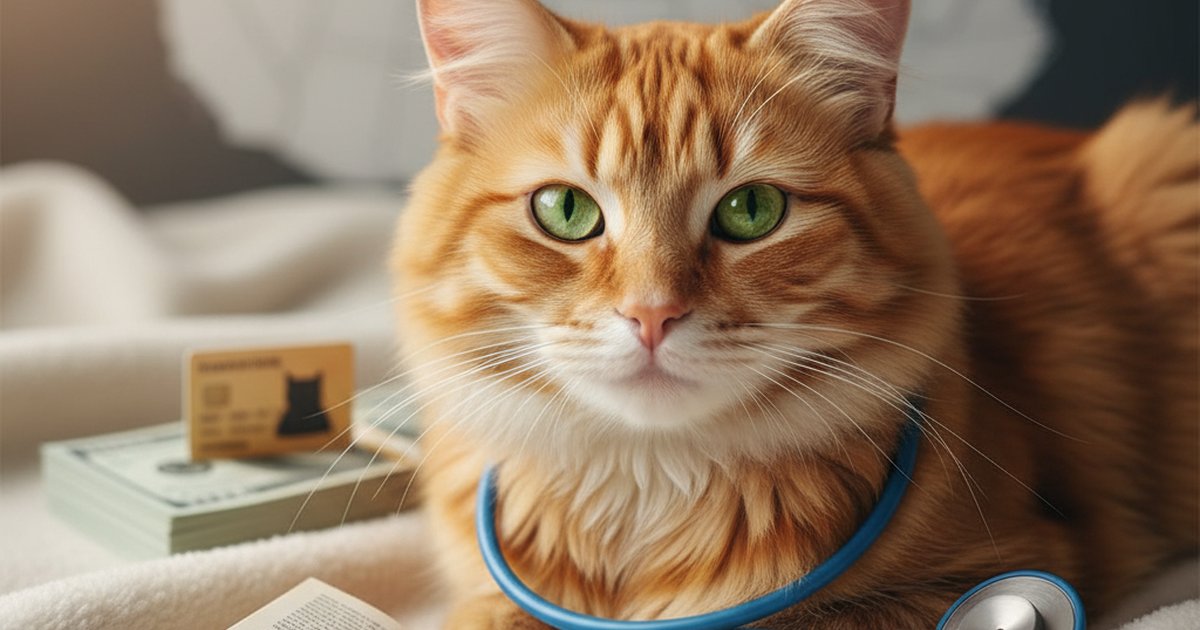
Cats are masters of disguise, especially when it comes to their health. In the wild, showing weakness makes a feline a target, and our domestic companions have inherited this stoic trait. By the time your cat shows visible signs of illness, the condition is often advanced—and treating it can come with a staggering veterinary bill.
With the cost of veterinary care rising by more than 10% annually in recent years, finding the best cat insurance in the US is no longer just a luxury; it is a vital part of responsible pet ownership. Whether you are dealing with a sudden accident or a chronic illness like hyperthyroidism, having the right policy can mean the difference between authorizing life-saving care and facing devastating financial decisions.
In this comprehensive guide, we will break down the top pet insurance providers in the US, analyze real-world costs, and help you choose the perfect policy for your feline friend.
Why Do You Need Cat Insurance?
To understand the value of cat insurance, it helps to look at the real-world costs of common feline emergencies. According to recent veterinary data, standard treatments can quickly drain your savings:
- Feline Lower Urinary Tract Disease (FLUTD): A common, life-threatening blockage, especially in male cats. Treatment and hospitalization typically cost between $1,500 and $3,000.
- Swallowed Objects (String, hair ties, toys): Emergency surgical removal usually ranges from $2,000 to $4,000.
- Cancer Treatment: Depending on the severity, chemotherapy and radiation can easily exceed $10,000.
For a monthly premium averaging around $25, cat insurance transfers this unpredictable financial risk to the insurance company, allowing you to focus on your pet’s recovery rather than the price tag.
The Top 5 Best Cat Insurance Providers in the US
After analyzing dozens of policies, analyzing claims processes, and reviewing coverage limits, here are the top providers for cat insurance in the US market today.
1. Lemonade: Best for Quick Claims and Affordability
Lemonade has revolutionized the pet insurance industry with its AI-driven platform. For young, healthy cats, Lemonade offers some of the most competitive premiums on the market, sometimes starting as low as $15 per month.
Their standout feature is the claims process. Many claims are approved in seconds via their app. They also offer highly customizable plans, allowing you to add coverage for vet visit fees, physical therapy, and routine wellness care. However, keep in mind that Lemonade requires a recent medical exam to enroll, and they are not available in every US state yet.
2. Trupanion: Best for Chronic Conditions
If you are looking for robust, lifelong coverage, Trupanion is a premium choice. Unlike most providers that use an annual deductible, Trupanion uses a per-condition deductible. This means if your cat develops a lifelong condition like diabetes or kidney disease, you only pay the deductible for that illness once in your cat’s lifetime.
Furthermore, Trupanion offers a unique “Vet Direct Pay” software. If your vet uses their system, Trupanion can pay the clinic directly at checkout, meaning you only have to cover your portion of the bill out-of-pocket.
3. Pets Best: Best for Comprehensive Coverage Options
Pets Best offers an incredible balance of affordability and comprehensive coverage. They are one of the few providers that do not impose upper age limits, making them an excellent choice for adopting senior cats.
Their “BestBenefit” accident and illness plans allow you to customize your annual limit (from $5,000 to unlimited), your deductible, and your reimbursement rate (up to 90%). They also include a 24/7 veterinary helpline, which is invaluable when your cat starts acting strangely at 2:00 AM.
4. Embrace: Best for Diminishing Deductibles
Embrace stands out for its “Healthy Pet Deductible” feature. For every year you do not file an accident or illness claim, Embrace automatically reduces your deductible by $50. If you have a healthy indoor cat that rarely needs to see the vet, your deductible could drop to $0 over a few years.
They also offer one of the most comprehensive dental illness coverages in the industry—covering up to $1,000 annually for dental disease, which is highly prevalent in adult cats.
5. Nationwide: Best for Multi-Pet Households and Perks
As one of the oldest pet insurance providers in the US, Nationwide offers stability and a massive network. Their “Whole Pet” plan is incredibly comprehensive, covering everything from hereditary conditions to behavioral therapies.
If you live in a multi-pet household—especially if you also own dogs or exotic pets—Nationwide offers a 5% discount for two or three pets, and a 10% discount for four or more.
At a Glance: Cat Insurance Cost & Feature Comparison
Here is a quick breakdown of how our top picks compare for a standard accident and illness policy:
| Insurance Provider | Average Monthly Premium (Cat) | Deductible Options | Reimbursement Rates | Standout Feature |
|---|---|---|---|---|
| Lemonade | $15 - $25 | $100, $250, $500 | 70%, 80%, 90% | AI-driven instant claims |
| Trupanion | $35 - $55 | $0 to $1,000 | 90% standard | Per-condition deductibles |
| Pets Best | $20 - $30 | $50 to $1,000 | 70%, 80%, 90% | No upper age limits |
| Embrace | $25 - $35 | $100 to $1,000 | 70%, 80%, 90% | Diminishing deductible |
| Nationwide | $25 - $40 | $250 | 50%, 70%, 90% | Multi-pet discounts |
(Note: Premiums are estimates based on a 2-year-old Domestic Shorthair. Actual rates will vary based on your specific cat and location).
How Much Does Cat Insurance Actually Cost?
When calculating your premium, insurance companies look at three primary risk factors:
1. Breed
Mixed breeds (Domestic Shorthairs, Mediumhairs, and Longhairs) are generally the cheapest to insure because they boast larger gene pools and fewer hereditary health issues. Purebred cats, such as Maine Coons, Persians, or Bengals, cost significantly more to insure due to their predisposition to genetic conditions like Polycystic Kidney Disease (PKD) or Hypertrophic Cardiomyopathy (HCM).
2. Age
Pet insurance is fundamentally about risk. A 1-year-old kitten is far less likely to develop cancer than a 12-year-old senior cat. Expect your premiums to increase slightly every year as your cat ages. This is why it is highly recommended to lock in a policy while your cat is young.
3. Location (Zip Code)
Veterinary costs vary drastically by region. A policy for a cat living in Manhattan, New York, will cost considerably more than the exact same policy for a cat living in rural Ohio, simply because the cost of operating a veterinary clinic is higher in NYC.
What Does Cat Insurance Cover?
Standard Accident and Illness policies are designed to cover the unexpected. While policies vary by provider, a good plan will cover:
- Accidents: Broken bones, toxic ingestions, bite wounds, and swallowed objects.
- Illnesses: Cancer, diabetes, hyperthyroidism, arthritis, and digestive issues.
- Diagnostics: Bloodwork, X-rays, MRIs, CT scans, and ultrasounds.
- Procedures: Surgeries, hospitalization, and emergency care.
- Prescription Medications: Take-home drugs required to treat covered conditions.
What is NOT Covered?
To avoid surprises, it is equally important to know what insurance will not pay for:
- Pre-existing Conditions: Any illness or injury that occurred or showed symptoms before your policy’s waiting period ended.
- Routine Care: Vaccinations, annual check-ups, and flea/tick prevention (unless you purchase a specific wellness add-on).
- Cosmetic Procedures: Declawing or tail docking.
- Grooming and Boarding: Routine maintenance is not covered.
How to Choose the Right Policy for Your Feline
Selecting the best cat insurance in the US comes down to balancing your monthly budget against your ability to pay a sudden emergency bill.
If you have a healthy savings account and just want protection against catastrophic $5,000+ bills, choose a plan with a high deductible ($500+) and a lower reimbursement rate (70%). This will keep your monthly premium incredibly low.
If you live paycheck to paycheck and a sudden $1,000 vet bill would put you in debt, opt for a low deductible ($100 - $250) and a high reimbursement rate (90%). You will pay a higher monthly premium, but you won’t have to scramble for cash during a pet emergency.
Final Recommendation
Cat insurance provides ultimate peace of mind. You never want to be standing in a veterinary emergency room, forced to choose between your finances and your feline best friend’s life.
Our actionable advice: Do not wait until your cat looks sick. Because no provider covers pre-existing conditions, the best time to buy cat insurance is right now, while your cat is healthy. We recommend getting free quotes from at least three providers—such as Lemonade, Pets Best, and Trupanion—to compare rates for your specific zip code and cat breed. Secure a policy today, and enjoy the years ahead knowing your cat is fully protected.
Frequently Asked Questions
Is cat insurance worth the cost?
"Yes, especially for emergency treatments and chronic conditions. While premiums" average $20-$30 per month, sudden surgeries for issues like urinary blockages or foreign body ingestion can easily cost upwards of $3,000.
Does pet insurance cover pre-existing conditions in cats?
"No pet insurance currently covers pre-existing conditions. However, some" companies will cover 'curable' pre-existing conditions (like a respiratory infection) if your cat has been symptom-free and treatment-free for a specific period, usually 180 to 365 days.
What is the average cost of cat insurance in the US?
"The average cost for an accident and illness policy for a cat in the US" is about $28 per month. However, this varies wildly based on your cat's breed, age, and your local zip code's veterinary costs.