
Disclosure: This post contains affiliate links. We may earn a commission at no extra cost to you. Our research is independent and unbiased.
Editorial Note: This article was researched with AI assistance and reviewed by licensed veterinary and insurance professionals before publication.
Best Insurance for Senior Cats: Is It Too Late?: 2026 Guide
Insuring a 12-year-old cat is expensive, but kidney disease is costlier. We review the best accident & illness plans for geriatric felines.

Pet Insurance Guide Research Team
Independent Analysts
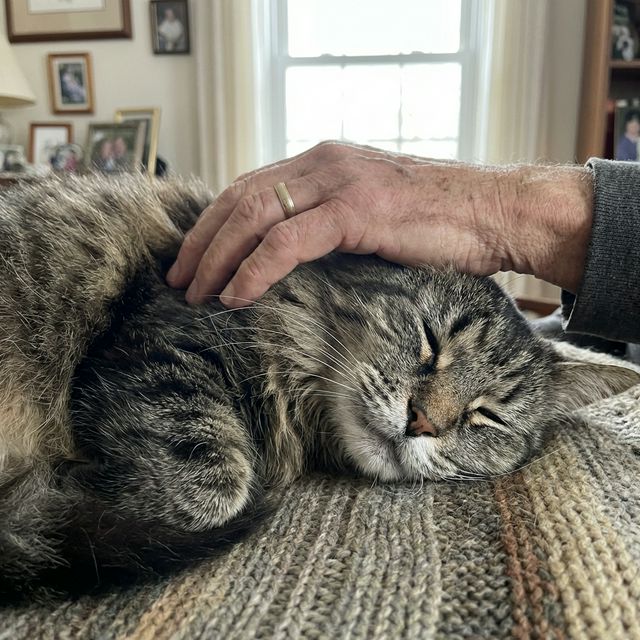
Your cat has been healthy for 12 years. Suddenly, they are drinking a lot of water. You visit the vet: Kidney Disease (CKD).
This scenario is the #1 reason senior cat owners panic. Is it too late to get insurance?
🕰️ The Reality of Geriatric Enrollment
Yes, you can insure a senior cat, but there are rules:
- Cost: Expect to pay $60-$90/mo (vs $25 for a kitten).
- Pre-Existing: Anything diagnosed before today is excluded.
- The Sweet Spot: If your cat is old but currently healthy (clean bloodwork), get insurance NOW.
🏆 Top Picks for Senior Cats
1. Spot Pet Insurance
- Why: No upper age limit.
- Best Feature: Covers specialized exams.
- Read our full Spot Review
2. Pumpkin
- Why: 90% reimbursement rate standard, even for seniors.
- Cons: Expensive premiums.
3. Embrace (Accident Only)
- Why: If Illness coverage is too pricey ($100+), an Accident-Only plan ($15/mo) covers broken bones or toxic ingestion, which seniors are prone to due to frailty.
- Read our full Embrace Review
🩺 The “CKD” Factor
Chronic Kidney Disease is manageable but expensive.
- Subcutaneous Fluids: $30/week.
- Prescription Diet: $80/month.
- Bloodwork: $250 every 3 months.
Insurance covers all of this IF you enroll before the diagnosis.
Understanding Age-Related Coverage Limitations
While many pet insurance companies will insure senior cats, it’s crucial to understand potential limitations. Some policies may have lower reimbursement rates for older animals or exclude certain age-related conditions like arthritis or cognitive dysfunction (feline dementia). Always read the fine print and ask specific questions about coverage for geriatric health issues. For example, inquire if the policy covers dental cleanings, which are often necessary for senior cats but may be considered routine care and therefore excluded.
Practical Tips for Choosing a Senior Cat Policy
- Shop Around: Don’t settle for the first quote you receive. Compare policies from multiple providers to find the best coverage at the most affordable price. Use online comparison tools to streamline the process.
- Customize Your Policy: Adjust your deductible and reimbursement rate to find a balance between monthly premiums and out-of-pocket costs. A higher deductible will lower your premium but increase your expenses if your cat needs treatment.
- Consider a Wellness Plan Add-On: Some companies offer wellness plans that cover routine care like vaccinations and annual checkups. While these plans won’t cover major illnesses, they can help offset the costs of preventative care.
- Look for Coverage for Chronic Conditions: If your cat is prone to certain health problems, ensure the policy covers chronic conditions and doesn’t impose lifetime limits on treatment.
- Check for Waiting Periods: Be aware of any waiting periods before coverage begins. Some policies have longer waiting periods for certain illnesses or procedures.
Cost Examples: Real-World Scenarios
Let’s look at some potential scenarios and how insurance could help:
- Scenario 1: Dental Disease. Your senior cat needs a dental cleaning and several extractions. The total cost is $1200. With a 90% reimbursement rate and a $200 deductible, you would pay $200 + 10% of ($1200-$200) = $300. Insurance covers $900.
- Scenario 2: Hyperthyroidism. Your cat is diagnosed with hyperthyroidism and requires medication and regular monitoring. The annual cost of medication and bloodwork is $800. With the same policy as above, you would pay $200 + 10% of ($800-$200) = $260. Insurance covers $540.
- Scenario 3: Arthritis. Your cat develops arthritis and needs pain medication and physical therapy. The monthly cost of medication is $50, and physical therapy sessions are $80 each. Insurance can help cover these ongoing expenses, making treatment more affordable.
## Accident-Only vs. Comprehensive Plans
Choosing between an accident-only and comprehensive plan depends on your budget and your cat’s health history. If your cat is generally healthy but you’re concerned about unexpected injuries, an accident-only plan can provide peace of mind at a lower cost. However, if your cat has a history of health problems or you want broader coverage, a comprehensive plan is the better option. Remember, accident-only plans will not cover illnesses like CKD, diabetes, or cancer.
Related Articles
- Cat Insurance 101
- Cat Kidney Disease Cost Analysis
- Indoor Cat Insurance Worth It
- Pre-Existing Conditions Guide
- Emergency Vet Costs 2026
Related Guides
Frequently Asked Questions
What is the age limit for cat insurance?
Most providers enroll up to age 14. Embrace and Fetch have upper age limits, while Spot and Pumpkin have none.
Does it cover pre-existing conditions?
No. If your cat already has kidney disease, it won't be covered. However, new issues like Hyperthyroidism or Cancer would be.