Disclosure: This post contains affiliate links. We may earn a commission at no extra cost to you. Our research is independent and unbiased.
Editorial Note: This article was researched with AI assistance and reviewed by licensed veterinary and insurance professionals before publication.
Best Parrot Insurance That Covers Feather Plucking (2026 Guide)
Vet tech guide to 2026 parrot insurance. We dive into the reality of feather plucking, diagnostic costs, and why Nationwide is your best bet for av...

Pet Insurance Guide Research Team
Independent Analysts
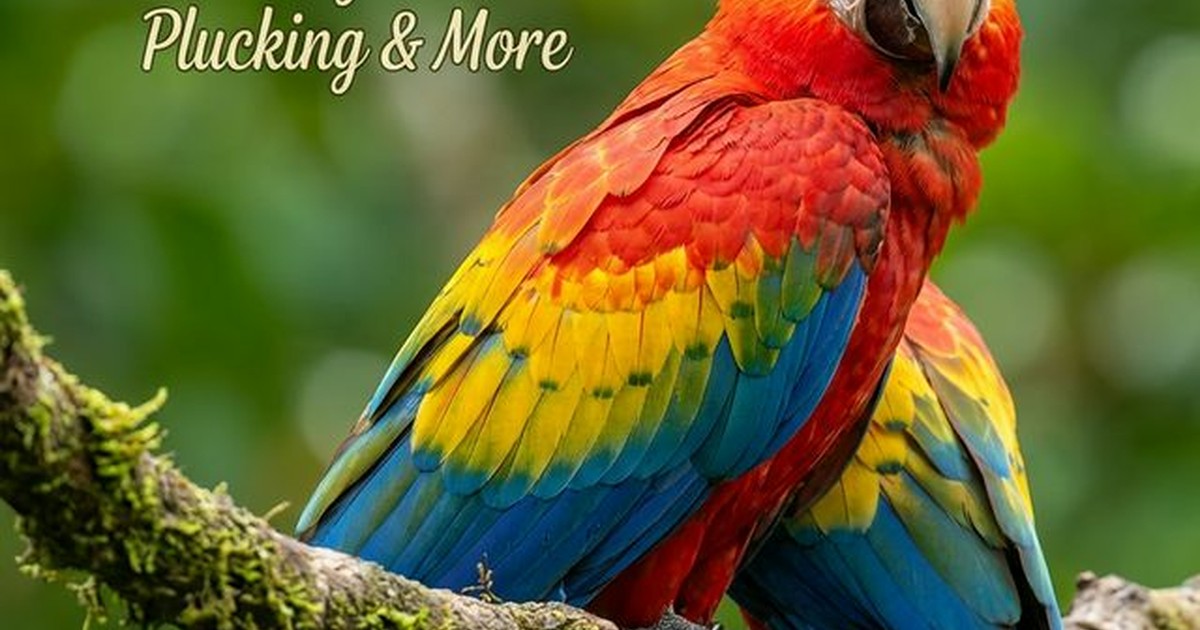
Best Parrot Insurance That Covers Feather Plucking: A 2026 Guide
Parrots. They’re loud, they throw seed everywhere, they can outlive you, and they bond with you so intensely that they literally think of you as their mate. But that intense intelligence comes with a massive downside. When a parrot gets stressed, sick, or just plain bored, they don’t just whine. They start ripping their own feathers out.
As a vet tech for 15 years, I’ve seen it all. An owner walks into the clinic carrying a travel cage, tears in their eyes, because their gorgeous, vibrant African Grey or Macaw now looks like a half-plucked chicken. It’s heartbreaking. And what’s worse is the look on the owner’s face when the vet hands them the estimate for the diagnostic workup.
I’ve held the hands of owners who had to make terrible decisions—what we call “economic euthanasia”—because they simply didn’t have $1,500 sitting around to figure out why their bird was self-mutilating. That’s why we need to talk bluntly about exotic pet insurance, specifically for feather plucking.
The Ugly Reality of Feather Plucking Diagnostics
It’s not just a bad habit. It’s a blaring distress signal. We call it pterotillomania in the clinic, but fancy words don’t cover the ugly reality. To fix it, we have to find out why it’s happening, and that takes money.
We’re talking about pulling blood from a tiny, fragile jugular vein to check liver and kidney function—because organ failure makes their skin itch terribly. We’re talking about scraping the skin raw to look for microscopic mites or fungal infections under a microscope. We might even need to knock your bird out with gas anesthesia to take X-rays and see if there’s a hidden tumor or heavy metal toxicity from chewing on something they shouldn’t have in your house.
Every single one of those tests costs money:
- Initial Vet Consultation & Exam: $100 - $175
- Comprehensive Blood Panel: $250 - $400
- Skin Scrapes & Feather Biopsies: $300 - $500
- Sedated X-rays: $200 - $450
If it turns out to be behavioral, you’re looking at paying for specialized avian behaviorists and sometimes even long-term psychotropic medications. The bills stack up fast, easily crossing the $1,000 mark before we even have a solid answer.
The 2026 Reality Check: Who Actually Covers Birds?
Look, I’ll be straight with you. The pet insurance world is obsessed with dogs and cats. If you see glossy ads for companies like Lemonade, Trupanion, or Pets Best, ignore them. They do not care about your parrot. They won’t cover them.
Right now, if you want a financial safety net for your feathered friend in the US, Nationwide is the only reliable game in town. Their Avian & Exotic Pet Plan is specifically designed for the weird, wonderful pets that don’t bark or meow.
How Nationwide Handles the Plucking Nightmare
Let’s say you’ve got Nationwide, and your cockatoo starts obsessively chewing her chest feathers. You bring her in. Instead of panicking about the cost, you can look the vet in the eye and say, “Do whatever tests you need.”
We run the blood. We do the scrapes. Maybe the total bill comes to $600. Because you’re trying to diagnose an illness, Nationwide helps reimburse that bill. If the tests show she’s stressed and needs a prescription for a calming medication like Gabapentin or Fluoxetine, the plan helps cover that too. It gives you the financial breathing room to actually fix the problem instead of just putting a band-aid on it.
The Catch You Need to Know: Pre-Existing Conditions
Listen to me very carefully: DO NOT wait until your bird starts plucking to get insurance.
Insurance companies are not charities. If your parrot is already bald on their chest when you sign up, that is a pre-existing condition. They will exclude it forever, and they won’t pay a single dime toward fixing it. If you want this safety net to actually work, you have to enroll your bird while they are fully feathered and perfectly healthy.
The Bottom Line
If you share your life with a parrot, you know how fragile they can be despite those strong, intimidating beaks. Paying $30 to $55 a month for Nationwide’s exotic plan is the best way to guarantee you’ll never have to choose between your wallet and your bird’s health.
I’ve seen too many people walk out of my clinic with an empty carrier because they couldn’t afford emergency care. Don’t let that be you. Get the insurance while your bird is healthy, and give yourself that peace of mind.
Related Articles
- Exotic Pet Insurance Guide
- Nationwide Exotic Insurance Review
- Best Exotic Pet Insurance 2026
- Bird Medical vs Wellness Plans
Related Guides
Frequently Asked Questions
What is the main cause of feather plucking in parrots?
Honestly, feather plucking is one of the most frustrating things we see in the clinic. There's almost never one single cause. Sometimes it's a hidden medical nightmare like liver disease or a nasty fungal infection. Other times, it's sheer boredom, anxiety, or even just not getting enough uninterrupted sleep. It takes a lot of detective work to figure out what's driving your bird crazy enough to tear out their own feathers.
Is feather plucking always covered by parrot insurance?
Here's the harsh truth: absolutely not. If your bird is already missing feathers when you sign up, the insurance company will stamp "pre-existing condition" on your file, and they won't pay a dime for it. You have to get the policy before the first feather gets pulled. If you do that, and the plucking is linked to a new medical or behavioral issue, a good plan will help cover the massive diagnostic bills.
How much does insurance for a parrot typically cost in 2026?
If you go with Nationwide—which is frankly the only real player for birds right now—you're looking at about $30 to $55 a month. I know it sounds like another bill, but when I have to hand an owner an estimate for a $600 blood panel and a $400 skin biopsy just to start figuring out a plucking issue, that monthly premium suddenly looks like a total bargain.
Can I get insurance for my older, adopted parrot?
You can, and bless you for adopting an older bird! Just be prepared: premiums might be a bit higher, and the insurance company will demand a thorough, squeaky-clean vet exam right away to prove the bird doesn't already have a history of plucking or other chronic issues. Get that exam done the second you bring them home.