
Disclosure: This post contains affiliate links. We may earn a commission at no extra cost to you. Our research is independent and unbiased.
Editorial Note: This article was researched with AI assistance and reviewed by licensed veterinary and insurance professionals before publication.
Cat Insurance with Dental Coverage: A Complete Guide
Vet tech guide to cat insurance with dental coverage.

Dr. Sarah Chen
Licensed Veterinarian, DVM
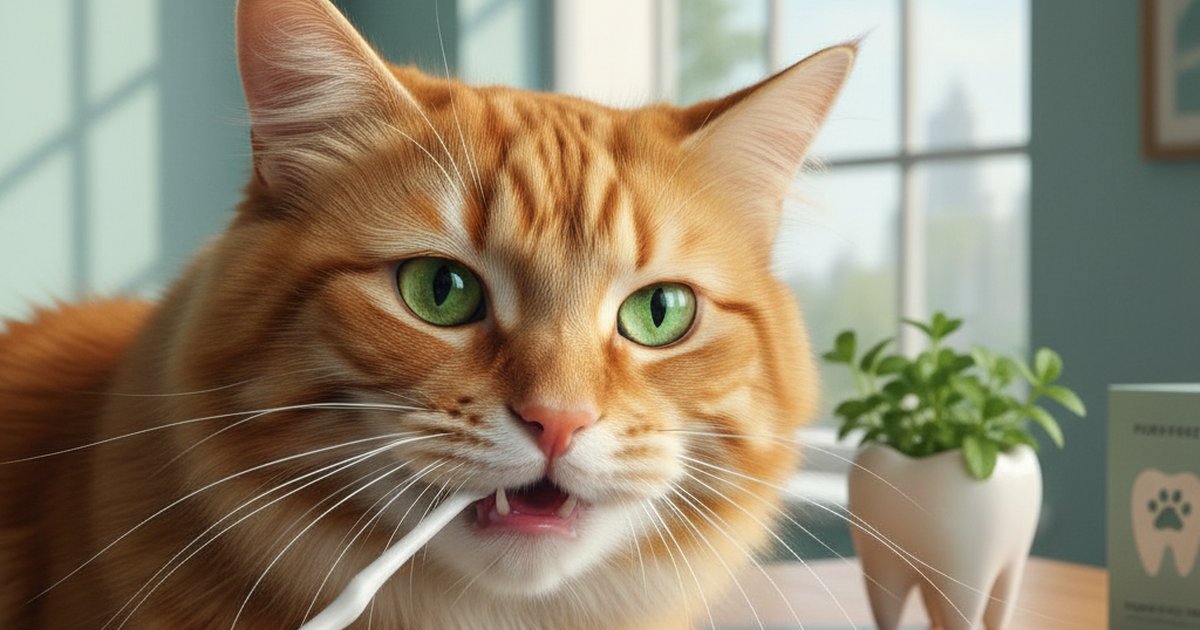
If you’ve ever leaned in to kiss your cat and been hit by a wave of fishy, rotting breath, we need to talk.
In my 15 years as an ER vet tech, I’ve seen countless cats acting completely normal when their mouths are a painful disaster zone. Cats are absolute masters at hiding pain. They will keep eating kibble even with three rotting teeth, just swallowing the pieces whole. By the time they actually stop eating and you rush them into my clinic, the damage is severe.
Treating these conditions isn’t cheap. A routine cleaning under anesthesia will run you $200 to $500, but surgical extractions for severe disease can easily soar past $2,000. When owners hear those estimates, I see the panic set in—which is exactly why finding the right cat insurance with dental coverage is non-negotiable for protecting both your pet and your bank account.
Let’s break down how this actually works, without the confusing insurance jargon.
The Reality of Feline Dental Disease
Before we look at policies, you need to know what you are insuring against. These aren’t just cosmetic issues; they are serious infections that can silently destroy your cat’s kidneys or heart if bacteria enter the bloodstream.
The three most common nightmares we treat include:
- Periodontal Disease: It’s not just bad breath. It’s bacteria literally eating away the bone that holds their teeth in place.
- Tooth Resorption: Imagine your own body suddenly deciding to attack your teeth and dissolve them from the inside out, leaving exposed, raw nerves. That’s tooth resorption. It’s excruciating, it affects up to 70% of cats, and there is no cure. We just have to surgically extract the affected teeth.
- Feline Stomatitis: A severe, incredibly painful condition where the cat’s immune system becomes allergic to the plaque on their own teeth. Their gums turn bright red, swollen, and bleed easily. The only real fix is usually pulling every single tooth in their head so they can finally eat without agony.
The Financial Hit
To safely work on a cat’s mouth, we have to put them under general anesthesia with a breathing tube. We take specialized x-rays to see the rotting roots below the gumline. We don’t just “pull” a tooth—we drill the bone, section the tooth, extract the roots, and stitch the tiny gums closed.
Without insurance, here is what you are looking at:
- Routine Dental Cleaning (Prophylaxis): $250 - $500
- Dental X-Rays: $150 - $250
- Single Tooth Extraction (Surgical): $300 - $800
- Full-Mouth Extraction (for Stomatitis): $2,000 - $4,000+
How Cat Insurance Actually Handles Dental Care
One of the biggest misunderstandings I see at the front desk is how insurance covers teeth. It almost always falls into two separate buckets:
1. Dental Illness and Accidents (Standard Coverage)
This is your safety net for the bad stuff. Most standard accident and illness policies cover dental diseases, as long as they aren’t pre-existing.
What they cover:
- Surgical extractions for tooth resorption or severe periodontal disease.
- Fixing fractured teeth if your cat chews something hard or gets into an accident.
- Treatments for stomatitis and severe gingivitis.
2. Routine Dental Care (Wellness Add-on)
Standard policies do not pay for that annual routine cleaning. To get reimbursed for a basic scrape-and-polish, you have to buy a preventative care rider.
My blunt warning: Every single insurance company excludes pre-existing conditions. If our vet writes “mild tartar” or “gingivitis” in your cat’s chart before your policy is active, the insurer is going to deny future extraction claims for those teeth.
Top Providers: Who Actually Pays Out?
Not all companies handle dental claims the same way. Here is my take on the big players based on what I see get approved in the clinic:
Embrace Pet Insurance
Embrace is solid. Their standard policy covers dental illnesses up to $1,000 per year.
- The Catch: They require an annual dental exam. If our vet says “Fluffy needs a cleaning,” you have to get it done within their specific timeframe. If you ignore our advice, Embrace can deny your future dental illness claims.
Lemonade
Lemonade has great base coverage for extractions and disease.
- The Wellness Advantage: If you add their “Preventative+” package, they toss in up to $150 a year for routine dental cleanings. It’s a great perk if you want to stay proactive.
Trupanion
Trupanion is huge for big emergencies because they cover 90% of eligible costs and don’t have payout caps. If your cat needs a full-mouth extraction, Trupanion is a lifesaver.
- The Catch: They are ruthless about preventative care. If we recommend a routine cleaning and you decline it, Trupanion will not cover the bill when those teeth inevitably rot and need surgery.
Pets Best
They cover periodontal disease and trauma under their standard plans. If you upgrade to their “BestWellness” tier, they’ll give you up to $150 per year toward routine cleanings.
Nationwide
They cover the big dental surgeries, but they often use a “benefit schedule.” That means they pay a set, predetermined amount for a procedure, regardless of what our clinic actually has to charge. If we charge $800 for a complex extraction and their schedule only allows $400, you are eating the difference.
The Cost Breakdown: With vs. Without Insurance
Let’s look at a real-world scenario. A 5-year-old cat comes in for severe tooth resorption. We have to surgically extract three teeth.
Assume you have a policy that reimburses 80% and you haven’t met your $250 annual deductible yet.
| Procedure / Expense | Cost Without Insurance | Cost With Insurance (80% / $250 Ded.) |
|---|---|---|
| Pre-anesthetic Bloodwork | $150 | Covered |
| General Anesthesia & Monitoring | $250 | Covered |
| Full-mouth Dental X-Rays | $200 | Covered |
| Surgical Extractions (3 teeth) | $750 | Covered |
| Pain Medication & Antibiotics | $100 | Covered |
| Total Vet Bill | $1,450 | $1,450 |
| Minus Deductible | N/A | -$250 |
| Eligible for Reimbursement | N/A | $1,200 |
| Insurance Pays (80%) | $0 | $960 |
| Your Total Out-of-Pocket | $1,450 | $490 |
In just one visit, your insurance saves you $960. For most people, that covers the monthly premiums for the entire year.
Fine Print to Watch Out For
Don’t just look at the monthly premium. Read the fine print and ask these four questions:
- Is there a specific dental waiting period? Illnesses usually have a 14-day wait, but some companies make you wait 6 months before they’ll cover teeth.
- Is there a dental sub-limit? A policy might cover $10,000 overall but cap dental payouts at a measly $500.
- What are the strict preventative rules? As I mentioned with Trupanion and Embrace, skipping your annual vet visit or delaying a recommended cleaning can void your coverage.
- Are endodontic treatments covered? If your cat breaks a major canine tooth, you might want a root canal instead of pulling it. Make sure endodontics are included.
My Final Advice
Don’t wait for the bad breath. By the time you notice it, the disease is already there, making it a “pre-existing condition” that no insurance will touch.
My recommendation: Buy a policy from a provider like Embrace or Lemonade when your cat is a kitten with perfectly clean, tiny teeth. Bring them in to see us every year, and when we tell you it’s time for a routine cleaning, do it. It will save you thousands of dollars, and more importantly, it will save your cat from suffering in silence.
Related Articles
- The Best Pet Insurance for Multiple Pets in 2026
- Best Cat Insurance in the US
- What Insurance Is Best for My Cat?
- Cat Tooth Resorption Cost & Insurance
Related Guides
(Your related guides links will go here)
Frequently Asked Questions
Does standard cat insurance cover routine dental cleanings?
"Nope. Standard policies are for emergencies and illnesses. If you want coverage" for that routine scrape-and-polish, you have to buy an extra wellness rider.
Will pet insurance cover my cat's pre-existing dental disease?
"Absolutely not. If we note mild tartar or gingivitis in your cat's chart" before your policy kicks in, the insurer will deny future claims for those teeth. Get them insured while their mouth is still pristine.
How much does a feline tooth extraction cost without insurance?
"It hits your wallet hard—anywhere from $300 to over $1,200 per tooth. You're" paying for pre-anesthetic bloodwork, IV fluids, anesthesia, a monitoring nurse, dental x-rays, the surgical extraction, and take-home pain meds.