Disclosure: This post contains affiliate links. We may earn a commission at no extra cost to you. Our research is independent and unbiased.
Editorial Note: Cost data in this article is sourced from published veterinary industry reports (NAPHIA, AVMA, VPI). This is an informational resource, not veterinary or financial advice. For health concerns, consult a licensed veterinarian.
Cat Kidney Disease (CKD): The $14,000 Diagnosis
Feline CKD lifetime costs analyzed: from early-stage management ($500–$2,000/year) to late-stage dialysis. 2026 data on what each treatment stage costs.

Independent Analysts
Find Breed Health Risk & Compare Coverage
Calculate realistic veterinary treatment costs and actuarial insurance reimbursement rates for your pet's exact breed.
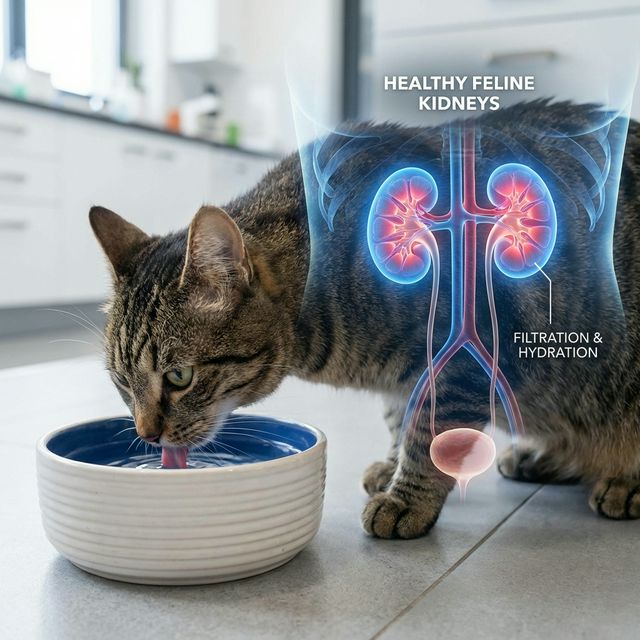
Chronic Kidney Disease (CKD) is a progressive, irreversible condition that represents one of the most common diagnoses in senior cats. Data shows that CKD affects an estimated 30% to 40% of cats over ten years of age, and up to 80% of cats over fifteen. The disease is characterized by a gradual decline in the kidneys’ ability to filter metabolic waste, concentrate urine, and regulate blood pressure. While CKD is irreversible, veterinary research indicates that early detection and active management can significantly extend a cat’s lifespan. However, managing kidney disease requires a long-term financial commitment. The cumulative cost of diagnostics, treatments, and supportive care can be substantial. Understanding the clinical stages, associated costs, and how pet insurance can help manage these expenses is essential for feline owners.
The Clinical Stages of CKD
Feline kidney disease is staged according to the International Renal Interest Society (IRIS) guidelines. These stages are determined by blood creatinine and SDMA levels, urine protein concentration, and systemic blood pressure:
- Stage 1 (33–100% kidney function): In this silent phase, cats show no outward symptoms. Detection typically occurs through routine senior wellness screening.
- Stage 2 (25–33% kidney function): The kidneys struggle to concentrate urine, leading to increased water intake and larger volumes of urine. Early intervention here offers the best long-term prognosis.
- Stage 3 (10–25% kidney function): Waste products accumulate in the blood, causing chronic nausea, weight loss, and vomiting. Medical needs and costs rise significantly.
- Stage 4 (Less than 10% kidney function): At this end stage, treatment focuses on palliative care to maintain patient comfort and hydration.
Veterinary research notes that because cats instinctively hide illness, they rarely show visible signs of sickness until they have reached Stage 3. Annual screening for cats over age seven is vital for early detection.
Early Warning Signs to Watch For
Owners should monitor senior cats for subtle behavioral and physical changes that indicate renal decline:
- Increased Thirst (Polydipsia): Daily water intake rises noticeably as the body attempts to flush out toxins.
- Heavy Urine Clumps (Polyuria): The litter box contains larger, saturated clumps because the kidneys cannot concentrate urine.
- Weight Loss: Cats lose body weight and muscle mass, especially along the spine, despite normal eating habits.
- Ammonia-Scented Breath: Accumulating waste products in the blood cause a chemical, litter-box-like odor on the breath.
- Morning Nausea: Frequent vomiting of clear fluid, foam, or bile, particularly in the morning.
- Withdrawal: A social cat may begin hiding under furniture due to discomfort.
The Cost of Treatment and Management
Managing feline CKD is a multi-year commitment. A well-managed cat can live three to five years. Published surveys indicate the typical costs associated with each phase of care:
Diagnostic and Staging Phase ($600 - $1,000)
Confirming the diagnosis and checking for complications involves several tests:
- Senior Blood Panel ($250): Evaluates BUN, creatinine, and SDMA to assess filtration capacity.
- Urinalysis ($80): Checks urine specific gravity and screens for protein loss or infections.
- Blood Pressure Testing ($60): Hypertension is a common CKD complication that can cause sudden, permanent blindness due to detached retinas.
- Abdominal Ultrasound ($400): Assesses structural kidney changes and checks for stones.
Acute Stabilization / “Crash” Phase ($2,000 - $4,000)
Dehydrated cats experiencing a severe buildup of uremic toxins may require hospitalization for three to four days of continuous intravenous (IV) fluid therapy, laboratory monitoring, and supportive care.
Ongoing Maintenance ($200/month)
Long-term home care requires ongoing monthly expenses:
- Prescription Renal Diet ($90/month): Diets low in phosphorus and moderate in high-quality protein help reduce kidney workload.
- Subcutaneous Fluid Supplies ($40/month): Fluids administered under the skin at home maintain hydration.
- Medications ($70/month): Includes blood pressure treatments, phosphate binders, and anti-nausea drugs.
Over a three-year period, these costs routinely total approximately $14,000.
How Pet Insurance Handles Kidney Disease
Pet insurance can help offset costs associated with kidney disease. Since CKD is a chronic, lifelong disease, policy details make a significant difference.
When evaluating coverage, consider how policies handle specific treatment components:
- Diagnostics: Most standard policies cover the blood tests and urinalyses needed for ongoing monitoring.
- Medications: Prescription medications for secondary symptoms like high blood pressure and nausea are typically covered.
- Prescription Renal Diets: Coverage for specialized therapeutic food varies. Some providers cover prescription food, others require a wellness rider, and some exclude it entirely.
- At-Home Supplies: The needles, syringes, and fluid bags required for subcutaneous therapy are generally eligible for reimbursement under standard illness coverage.
With a comprehensive policy, a $14,000 lifetime cost can be reduced to around $1,400, representing the owner’s deductible and a standard 10% co-pay.
The Pre-Existing Condition Limitation
Pet insurance policies do not cover pre-existing conditions. If a cat is diagnosed with kidney disease or shows signs of renal issues in their veterinary record before policy enrollment, all future CKD-related costs will be excluded from coverage.
Data shows that policies should be established when the cat is young and healthy, ideally before age five. Waiting until senior screening tests show abnormal values will result in denied claims.
Managing a CKD Diagnosis at Home
Effective home care is essential for maintaining quality of life for a cat with CKD:
- Administering Fluids: Learning to give subcutaneous fluids at home reduces stress for the cat and saves on clinical visits. Veterinary staff can demonstrate the technique.
- Assisting Hydration: Using the skin turgor test (pinching the skin on the neck) helps monitor hydration levels.
- Ensuring Nutrition: Preventing weight loss is crucial. If a cat refuses prescription food, regular food is preferable to fasting.
- Supply Sourcing: Purchasing prescription diets and medical supplies from online pharmacies often reduces markup costs.
Frequently Asked Questions
How long can a cat live after a CKD diagnosis? Published surveys indicate that survival times vary by stage. Cats diagnosed in Stage 2 often live three to five years or longer. Stage 3 survival averages one to two years, while Stage 4 survival is typically weeks to months.
Can feline kidney disease be cured? No. CKD is progressive and irreversible. Damaged kidney tissue cannot recover. Treatment is aimed at slowing progression and keeping the cat comfortable.
Why is a prescription renal diet necessary? These diets contain low phosphorus levels to reduce kidney damage and moderate high-quality protein to limit blood toxin buildup.
Is at-home fluid therapy difficult? Most owners successfully learn to administer subcutaneous fluids. The procedure takes under ten minutes and is well-tolerated by most cats.
Data Sources
- NAPHIA Annual Report
- AVMA Pet Industry Statistics
- Published veterinary cost surveys
Find Breed Health Risk & Compare Coverage
Calculate realistic veterinary treatment costs and actuarial insurance reimbursement rates for your pet's exact breed.
Frequently Asked Questions
How much does it cost to treat CKD in cats?
You're looking at $500 to $800 just to figure out what's wrong. After that, keeping them hydrated and fed with prescription diets will run you about $150 to $300 every single month for the rest of their life.
Is CKD covered by insurance?
Yes, but ONLY if you had the policy before they got sick. If your vet has already diagnosed them, you're out of luck—it's a pre-existing condition and you'll pay every penny out of pocket.
Find Breed Health Risk & Compare Coverage
Calculate realistic veterinary treatment costs and actuarial insurance reimbursement rates for your pet's exact breed.