Disclosure: This post contains affiliate links. We may earn a commission at no extra cost to you. Our research is independent and unbiased.
Editorial Note: Cost data in this article is sourced from published veterinary industry reports (NAPHIA, AVMA, VPI). This is an informational resource, not veterinary or financial advice. For health concerns, consult a licensed veterinarian.
Chinchilla Insurance Guide: 20-Year Commitment, Lifetime Coverage (2026)
Chinchillas can live 20 years and face serious dental and GI conditions. 2026 breakdown of exotic vet costs and what to budget for long-term chinchilla care.

Independent Analysts
Find Breed Health Risk & Compare Coverage
Calculate realistic veterinary treatment costs and actuarial insurance reimbursement rates for your pet's exact breed.
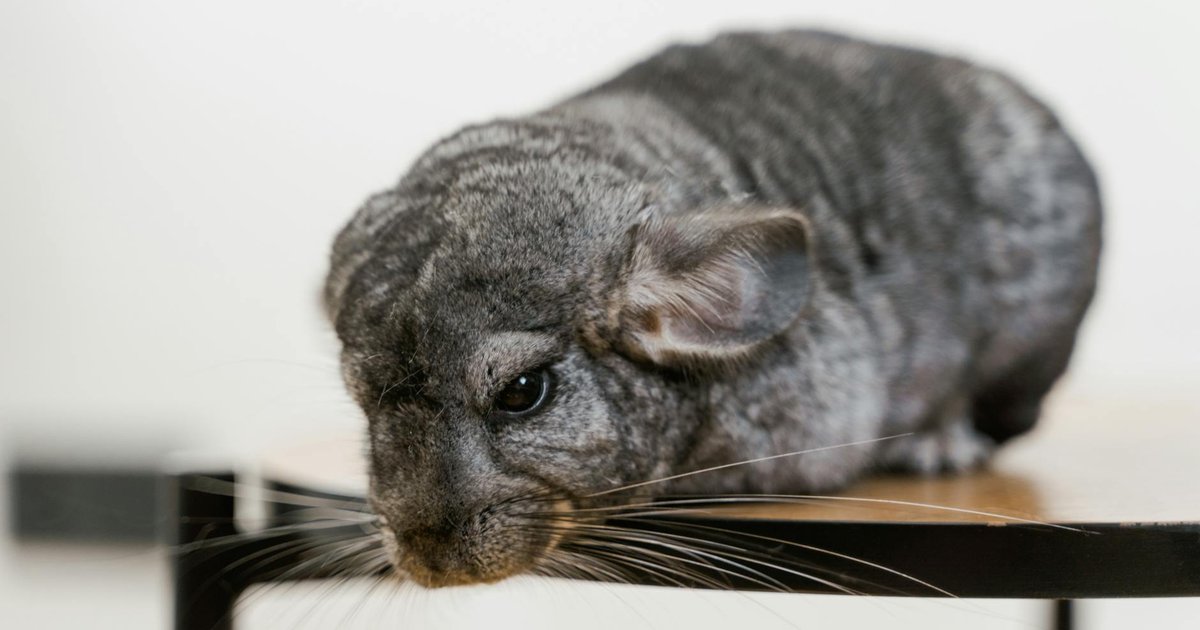
Chinchilla Insurance: Protecting Your 20-Year Companion
Adopting a chinchilla represents a significant 15-to-20-year commitment. Published surveys indicate that this longevity increases the likelihood of major veterinary events over the animal’s lifetime. Because these pets require specialized exotic veterinarians, treatment and chronic disease management are more expensive than standard domestic pet care. Pet insurance can help offset these costs — compare coverage terms before purchasing.
The Clinic Reality: The Big Three Health Threats
Chinchillas are susceptible to specific anatomical and physiological conditions. Veterinary research notes that dental issues, thermal stress, and orthopedic injuries represent the three most common and expensive medical situations chinchilla owners face.
1. Malocclusion and Dental Disease
Chinchillas are hypsodonts, meaning their teeth grow continuously throughout their lives. In the wild, a diet of tough, fibrous mountain vegetation naturally wears down their teeth. In captivity, improper diet or genetic predisposition can prevent even wearing, causing the teeth to become misaligned (malocclusion).
Once dental alignment is compromised, the tooth roots can grow backward into the jawbone and upper eye sockets. This causes significant pain, leading to anorexia, weight loss, and secondary gastrointestinal stasis.
- Diagnostics: Diagnosing root elongation requires advanced imaging. Because chinchillas have complex skull structures, veterinarians must perform specialized skull radiographs or CT scans under sedation. Data shows these diagnostic procedures typically cost between $500 and $1,200.
- Treatment: Management of chronic malocclusion is rarely a one-time cure. Affected chinchillas usually require corrective dental filing under general anesthesia every 4 to 8 weeks. Each filing session costs between $300 and $600. If tooth extractions are necessary, surgical fees range from $800 to $1,500 per procedure. Over a chinchilla’s lifespan, managing chronic dental disease can cost between $5,000 and $10,000.
2. Heat Stroke and Hyperthermia
Native to the high-altitude, cold Andes Mountains, chinchillas are biologically adapted to cold climates. They possess extremely dense fur, with upwards of 80 hairs growing from a single follicle, and they lack the ability to sweat. Consequently, ambient temperatures exceeding 75°F to 80°F (24°C to 27°C) pose a severe threat of hyperthermia.
If air conditioning systems fail or if chinchillas are housed in poorly ventilated areas during warm months, heat stroke can occur rapidly. Emergency veterinary intervention involves oxygen therapy, intravenous fluid administration, and active cooling protocols. Stabilization of a chinchilla suffering from heat stroke typically costs between $1,000 and $2,500.
3. Skeletal Fractures and Amputations
Chinchillas are highly active animals that rely on leaping and climbing. However, their skeletons are delicate, and their long bones are remarkably thin. Falls from cage shelves, improper handling, or accidents involving other household pets frequently result in tibia or fibula fractures.
Veterinary research notes that due to bone fragility, surgical repair with orthopedic pins or plates is often unsuccessful. Amputation is frequently the standard treatment, costing between $1,500 and $2,500, excluding follow-up pain management and wound care.
The Strategy: Enrollment Timing and Pre-Existing Conditions
Veterinary research notes that the timing of pet insurance enrollment is critical. Enrolling a chinchilla in a policy early in life—ideally around age one—ensures that coverage is active before chronic conditions develop.
If an owner waits until symptoms of dental disease or other illnesses manifest, the condition will be classified as pre-existing. Standard pet insurance policies do not cover treatments for pre-existing conditions, meaning all future costs related to that illness must be paid out of pocket.
Specialized exotic pet insurance can help offset these costs — compare coverage terms before purchasing. Average monthly premiums for exotic pet coverage generally range from $25 to $35. Over a 20-year lifespan, the cumulative cost of premiums totals approximately $6,000 to $8,400. While this represents a steady financial commitment, a single case of chronic dental malocclusion or a major emergency surgery can easily exceed the total lifetime premium cost.
Evaluating Coverage Options vs. Out-of-Pocket Expenses
When deciding how to manage potential veterinary expenses, owners must compare the structure of specialized exotic pet insurance against self-funding (paying out of pocket).
| Scenario | Specialized Exotic Policy | Self-Funding (No Insurance) |
|---|---|---|
| Chronic Dental Malocclusion | Covered if diagnosed after policy inception; offsets regular filings. | Owner pays $5,000 to $10,000 over the animal’s lifetime. |
| Emergency Hyperthermia | Covers emergency stabilization, IV fluids, and oxygen. | Owner pays $1,000 to $2,500 out of pocket. |
| Skeletal Fracture / Amputation | Covers surgical fees, anesthesia, and pain management. | Owner pays $1,500 to $2,500 upfront. |
| Monthly Budget Impact | Consistent monthly premium of $25 to $35. | $0 monthly cost, but requires immediate access to emergency funds. |
Case Studies: Financial Analysis of Chinchilla Healthcare
Published surveys indicate that veterinary costs for exotic pets can fluctuate significantly depending on geographic location and the severity of the condition. Consider the following cost analysis of a chronic dental malocclusion case:
Consider a chronic malocclusion case involving a three-year-old chinchilla named Pepper. The initial diagnostics, including a sedated CT scan, cost $900. Corrective dental filings were required every six weeks at $400 per session. Over four years, the total veterinary expenses accumulated as follows:
- Initial diagnostics: $900
- Regular dental filing sessions (every 6 weeks at $400 per visit): $13,600
- Total veterinary bill: $14,500
With a specialized exotic pet policy purchased at age one, the insurer reimbursed $12,000 over the course of four years, while the owner’s premium payments totaled $1,440. This case study demonstrates how specialized exotic pet insurance can help offset these costs — compare coverage terms before purchasing.
Frequently Asked Questions
Is exotic pet insurance necessary for a chinchilla?
With a lifespan of up to 20 years, chinchillas are likely to experience health issues. Common emergencies like dental malocclusion, heat stroke, and fractures require specialized care. Pet insurance can help offset these costs — compare coverage terms before purchasing.
What is the most common chinchilla health issue?
Dental malocclusion is the most common health issue. Because chinchilla teeth grow continuously, misalignment can cause root elongation, jaw damage, and difficulty eating.
Does exotic pet insurance cover dental treatments?
Most exotic policies cover dental illnesses like malocclusion if the condition was not diagnosed prior to the policy’s start date. Routine or preventive care is typically excluded.
How do pre-existing conditions affect chinchilla coverage?
Any condition diagnosed or showing symptoms before coverage begins is classified as pre-existing and is excluded, making early enrollment essential.
Data Sources
- NAPHIA Annual Report
- AVMA Pet Industry Statistics
- published veterinary cost surveys
Find Breed Health Risk & Compare Coverage
Calculate realistic veterinary treatment costs and actuarial insurance reimbursement rates for your pet's exact breed.
Frequently Asked Questions
Do chinchillas really live 20 years?
Chinchillas commonly live 15 to 20 years in good conditions — making them one of the longest-lived small mammals kept as pets. Their longevity makes early insurance enrollment important, as premiums rise significantly with age.
What is the most common chinchilla health problem?
Malocclusion. Their teeth literally never stop growing. If they don't wear them down right, the tooth roots can grow backward into their jaw or even their eye sockets. We're talking $1,200 CT scans and regular filing under anesthesia. It's an absolute nightmare if you have to pay out of pocket.
Does pet insurance cover chinchilla dental disease?
Yes, but only if it's considered an illness and not just routine care. Nationwide's exotic plan is the one I consistently see covering these major dental overhauls as a medical condition.
Find Breed Health Risk & Compare Coverage
Calculate realistic veterinary treatment costs and actuarial insurance reimbursement rates for your pet's exact breed.