
Disclosure: This post contains affiliate links. We may earn a commission at no extra cost to you. Our research is independent and unbiased.
Editorial Note: This article was researched with AI assistance and reviewed by licensed veterinary and insurance professionals before publication.
Cockatiel Insurance: Chronic Egg Laying & Lifespan (2026)
Cockatiels are prone to life-threatening reproductive emergencies like egg binding.

Pet Insurance Guide Research Team
Independent Analysts
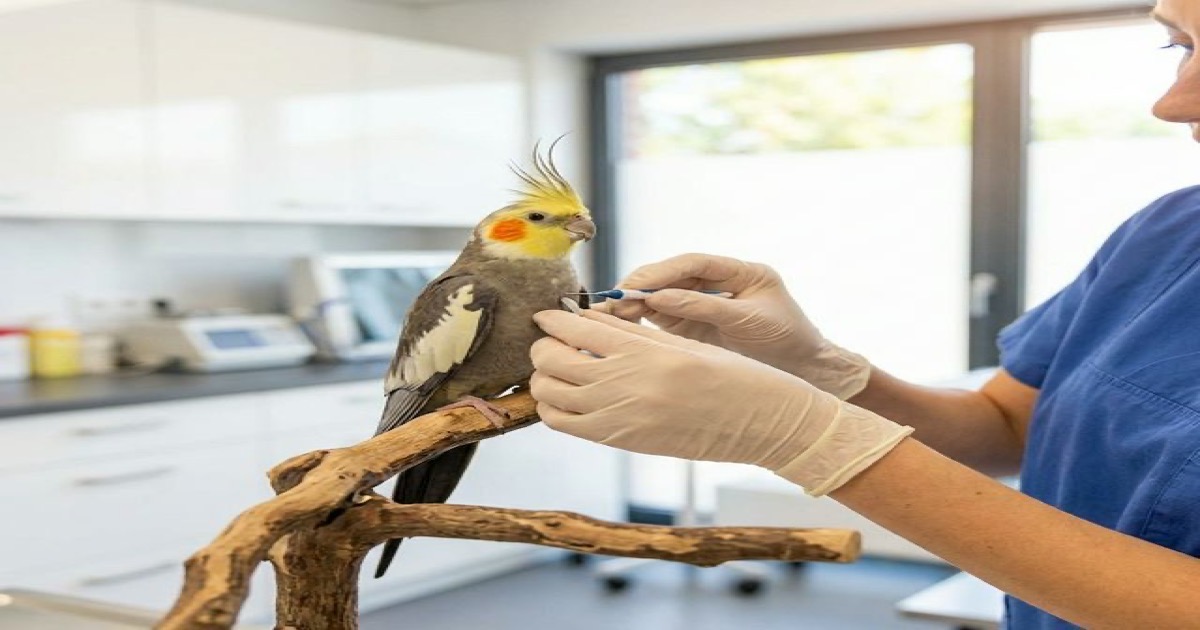
# Cockatiel Insurance: Protecting the Whistlers

Look, I get it. Cockatiels are amazing. They’re apartment-friendly, they whistle your favorite tunes, and they have more personality in that little crest than most dogs have in their whole bodies. But as a vet tech who has spent 15 years in emergency clinics, I’ve seen the dark side of owning these sweet birds. People buy them thinking they're low maintenance, but their medical emergencies are sudden, terrifying, and expensive.

If you own a cockatiel—especially a female—you need to know what you’re getting into, and you need to be prepared. Because the last thing I ever want to do is hold a crying owner's hand while they decide to euthanize their beloved bird simply because the emergency bill is out of reach.

## The Female Curse: Chronic Egg Laying

I’m going to be blunt here: female cockatiels are reproductive nightmares. You don't even need a male bird around. They will just keep laying eggs, over and over, until their bodies are literally sucked dry of calcium.

When calcium drops, the muscles that push the egg out stop working. The egg gets stuck. We call this **egg binding**, and it is an agonizing, life-threatening emergency.

*   **The Reality of Egg Binding**: When an egg is stuck, the bird is straining, struggling to breathe, and in immense pain. We have to rush them to the back, provide oxygen, fluids, and carefully try to extract it without breaking the shell inside her.
*   **The Cost**: You’re looking at $800 to $1,500 just to walk through the ER doors and have us safely remove it or perform a salpingohysterectomy (which is essentially a high-risk spay surgery for a bird to remove her entire reproductive tract).
*   **Hormone Implants**: To stop the endless laying, we often give them Lupron injections. These run $200 to $400 every few months. It adds up fast.

## Signs of Egg Binding (When to Rush to the ER)

I've had owners wait until the morning to bring their bird in, and by then, it's too late. If you see any of these signs, put the bird in a carrier and drive to the ER immediately:

*   **Abdominal straining**: She looks like she's trying to poop but nothing is happening.
*   **Tail bobbing**: Her tail dips hard with every single breath she takes. This means she's struggling for air.
*   **Squatting posture**: She’s sitting fluffy and low on the cage floor instead of her perch.
*   **Lethargy and weakness**: Eyes closed, not responding to you, just looking miserable.
*   **Swollen abdomen**: You can physically see or feel a bulge down low.

**Listen to me**: Do NOT try to give her a steam bath or rub oil on her vent at home. By the time they show these signs, they are crashing. Bring her to us.

## How to Prevent the Nightmare

Before you ever have to use insurance, you need to set up her environment to stop the egg-laying triggers. Here is what we tell every cockatiel owner:

**Shut Down the Light:**
These birds think it's breeding season if the days are long. Limit their daylight to 10-12 hours maximum. Put a heavy, dark cover over the cage at night and let them sleep.

**Remove the "Romance":**
*   Get rid of the happy huts, nest boxes, and dark enclosed spaces. To her, that's a nursery.
*   Stop stroking her back or under her wings. I know it's cute, but in bird language, you're trying to mate with her. Keep pets strictly to the head and neck.
*   Move her perches and bowls around. Keep her guessing so she doesn't feel settled enough to nest.

**Diet is Everything:**
An all-seed diet is a death sentence for a laying bird because it has zero calcium. Get her on a high-quality pellet diet. Give her a cuttlebone, but don't overdo the supplements without asking your vet—too much calcium can actually trigger *more* eggs.

## Night Frights: The Hidden Danger

Cockatiels have terrible night vision. If a car headlight sweeps across the room or a shadow moves, they panic. They will thrash wildly around the cage in the pitch dark.

We see them come into the ER bleeding profusely from broken blood feathers or with completely fractured wings.
*   **Wing Fracture Repair**: Splinting, pain meds, and follow-up x-rays for a broken wing will easily cost you over $1,000.

## The Dirty Details of Bird Insurance

I tell every exotic pet owner the same thing: get the insurance *before* the first vet visit. Here is the reality of how these policies work:

**The Waiting Game:**
Exotic pet insurance usually makes you wait 14 to 30 days before illness coverage kicks in. Sign up the day you bring your baby home.

**Pre-Existing Conditions (The Dealbreaker):**
If you bring your bird to me for egg laying, and *then* you go buy insurance, the insurance company will never cover a reproductive issue for the rest of her life. They will deny the claim. Early enrollment is the only way to protect yourself.

**Don't Let it Lapse:**
If your credit card expires and your policy drops for even a day, they treat it like a brand new policy. Anything your bird was treated for in the past is now considered a pre-existing condition. Set it to auto-pay.

**Get High Limits:**
Don't cheap out and get a $2,000 annual limit. A single emergency surgery for a bound egg will blow through that. Get a policy with at least $5,000 to $10,000 in coverage.

## My Verdict

If you have a female cockatiel, you have a better than 50% chance of ending up in my ER for a reproductive emergency. It's not a matter of *if*, but *when*. Get the insurance. Nationwide is currently the most reliable option for exotics. It gives you the peace of mind to say "yes" to whatever treatment your little whistler needs, without looking at your bank account first.

## Related Articles

- [Parrot Insurance Guide](/posts/parrot-insurance-guide/)
- [Best Exotic Pet Insurance Companies 2026](/posts/best-exotic-pet-insurance-companies-2026/)
- [Avian Vet Cost Breakdown](/posts/avian-vet-cost-breakdown/)
- [Bird Medical vs Wellness Plans](/posts/bird-medical-vs-wellness/)
- [Nationwide Exotic Insurance Review](/posts/nationwide-exotic-insurance-review/)

## Related Guides

- [Is Pet Insurance Worth It?](/is-pet-insurance-worth-it)
- [Pet Insurance Cost Guide](/pet-insurance-cost)
- [Insurance vs. Savings](/pet-insurance-vs-savings)
- [Best Pet Insurance for Cats](/best-pet-insurance-for-cats)Frequently Asked Questions
Is cockatiel egg binding covered by insurance?
">-" Absolutely. I've seen too many owners panic when they get the ER bill for a bound egg. It's a true medical emergency, and standard accident and illness plans (like Nationwide) will cover it, saving you from a heartbreaking choice.
How much does it cost to treat a bound egg?
">-" It's not cheap. Getting an egg out safely can run you anywhere from $800 to $1,500. If we have to go in surgically to remove it, you're looking at the higher end. Don't let money be the reason you can't save your bird.
Do cockatiels need insurance?
">-" Listen, these little guys can live over 20 years. That's a long time for accidents or, especially in females, reproductive disasters to happen. Having insurance means you never have to second-guess getting them the care they need when things go south.