
Disclosure: This post contains affiliate links. We may earn a commission at no extra cost to you. Our research is independent and unbiased.
Editorial Note: This article was researched with AI assistance and reviewed by licensed veterinary and insurance professionals before publication.
Does Pet Insurance Cover Lymphoma? The Honest Truth from the ER
Finding a lump on your pet is terrifying. As a vet tech of 15 years, here is the blunt truth about lymphoma costs and how pet insurance actually handles it.

Alex Carter
Veterinary Medicine Expert
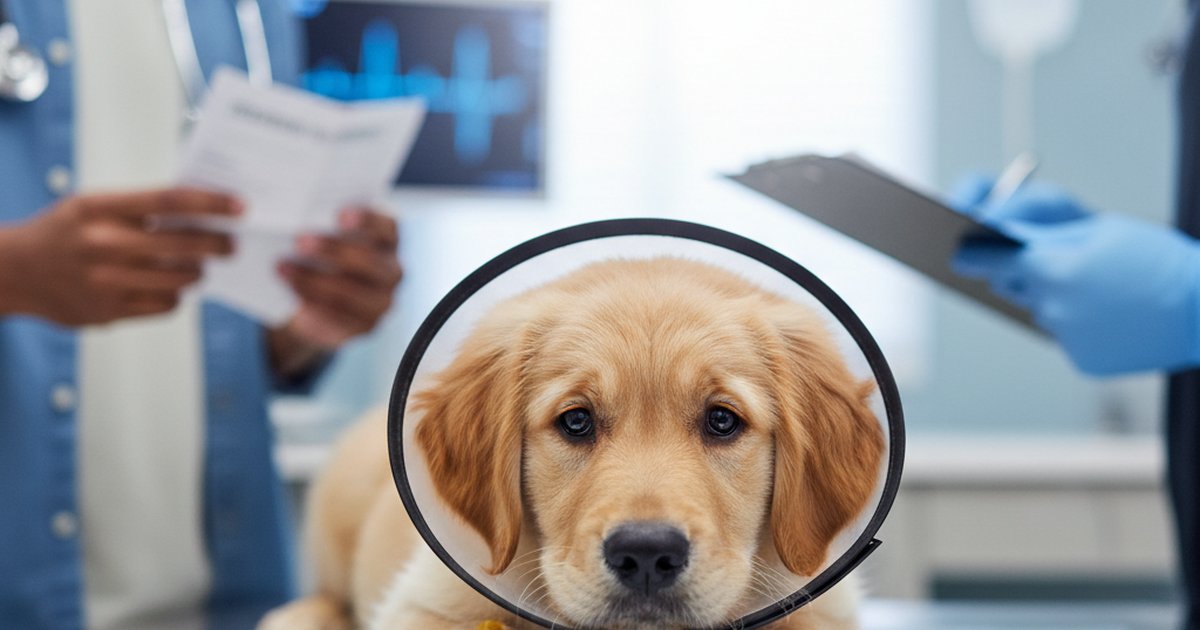
It usually happens on a random Tuesday night. You’re sitting on the couch, mindlessly scratching your Golden Retriever under the chin or rubbing your cat’s belly, and your fingers brush against something hard. A lump. It feels like a golf ball tucked right where their jaw meets their neck, or maybe behind their knees.
Panic sets in immediately. You rush through our emergency room doors at 11 PM, frantic, apologizing for coming in so late.
I’ve been a veterinary technician in high-volume emergency and specialty hospitals for 15 years. I know the exact look on your face when you walk in. I know the distinct, metallic smell of the oncology ward, the steady hum of the IV pumps delivering life-extending fluids, and the heavy silence in Exam Room 3 when the vet delivers the news: Lymphoma.
Then comes the second wave of panic, the one that hits your wallet. You ask the question I hear at least three times a week: “Does pet insurance cover this? How much is this going to cost?”
Here is the blunt, unfiltered truth about lymphoma, what it actually takes to treat it, and how pet insurance fits into the picture.
The Short Answer: Yes, But There’s a Catch
Does pet insurance cover lymphoma? Yes. Standard accident and illness policies from major providers cover cancer diagnostics, chemotherapy, radiation, and prescription medications.
But there is a massive, unforgiving catch: It cannot be a pre-existing condition.
If you felt that lump on Tuesday, brought your dog to me on Wednesday, and then bought a Lemonade or Trupanion policy from your phone in the waiting room, you are out of luck. The moment our vet writes “enlarged submandibular lymph nodes” in your pet’s medical chart, lymphoma becomes a pre-existing condition. No pet insurance company in the world will cover it.
You need to have the policy active, and the waiting period (usually 14 to 30 days) completely finished, before your pet shows a single sign of being sick.
What is Lymphoma? (The Medical Reality)
When we talk about lymphoma, we aren’t just throwing around a scary medical term. Lymphoma is a cancer of the lymphocytes—a type of white blood cell. It aggressively attacks the immune system, primarily showing up in the lymph nodes, spleen, liver, and bone marrow.
When we take your pet to the treatment area in the back, we don’t just guess. We take a needle, poke that swollen lymph node, and pull out cells to look at under a microscope. This is called a Fine Needle Aspirate (FNA). If we see rogue, cancerous cells, we have to “stage” the cancer to see how far it has spread.
This means shaving your pet’s belly for an abdominal ultrasound to check their spleen and liver. It means taking chest X-rays to ensure their lungs are clear. It means running specialized blood tests like flow cytometry to determine if it’s B-cell (better prognosis) or T-cell (terrible prognosis) lymphoma.
Your pet is likely feeling lethargic, refusing their favorite treats, and drinking excessive amounts of water. They feel sick, and we have to move incredibly fast. Lymphoma is aggressive. Without treatment, dogs and cats usually only survive 4 to 6 weeks.
The Price Tag of Time
In veterinary oncology, we aren’t usually aiming for a total cure. We are aiming for remission and quality of life. We want to buy you another 12 to 18 months of Saturday morning hikes, couch snuggles, and stolen table scraps.
But buying time is expensive. Here is what a typical lymphoma battle actually costs at a specialty clinic:
- Initial Diagnostics & Staging: Fine needle aspirates, bloodwork, chest X-rays, and an abdominal ultrasound. ($1,000 - $1,800)
- Flow Cytometry: To determine the exact type of lymphoma. ($300 - $500)
- The CHOP Protocol (Chemotherapy): This is the gold standard for lymphoma. It involves a rotating schedule of four different chemotherapy drugs given over 15 to 19 weeks. ($6,000 - $10,000+)
- Supportive Care: Anti-nausea medications (like Cerenia), appetite stimulants (like Entyce), and antibiotics to protect their compromised immune system. ($500 - $1,000)
If you go all-in on treating your pet’s lymphoma, you are looking at a total bill ranging from $8,000 to $12,000.
How the Big Insurance Companies Handle It
If you were smart enough to get insurance when your pet was a puppy or kitten, this is the exact moment that monthly premium pays off. Here is how some of the major players handle a $10,000 oncology bill:
Trupanion
In the ER, we love Trupanion because of their direct pay feature. If you have Trupanion, we can submit the invoice through their software, and they pay the hospital directly within minutes. You only pay your deductible and your 10% co-insurance. For a $10,000 chemo protocol, instead of maxing out three credit cards, you might only pay $1,000 out of pocket. Plus, Trupanion has no annual or lifetime payout limits.
Lemonade and Pets Best
These companies operate on a reimbursement model. You will have to pay the $10,000 to the specialty hospital upfront (or use a service like CareCredit) and then submit the receipts. Both companies are generally fast at processing claims, but you need to be acutely aware of your annual limits. If you chose a Lemonade plan with a $10,000 annual cap, a single round of lymphoma treatment will max out your policy for the entire year.
Embrace
Embrace is fantastic for cancer coverage, and they offer a diminishing deductible (your deductible drops by $50 for every year you don’t file a claim). They cover all the nasty bits of lymphoma treatment, including the expensive prescription medications we send home to keep your pet comfortable.
The Nightmare of Economic Euthanasia
I want to be completely honest with you about why I am so aggressive about telling pet owners to get insurance.
The hardest part of my job isn’t the blood, the anal glands, or the frantic CPR codes. The hardest part is “economic euthanasia.”
It’s sitting in a room with a crying owner who loves their four-year-old Boxer more than anything in the world. The oncologist has just told them that with the CHOP protocol, their dog has an 80-90% chance of going into complete remission, acting like a normal, happy dog for another year or more. (Unlike humans, dogs and cats tolerate chemo incredibly well. They rarely lose their hair, and severe nausea is uncommon).
But the owner simply doesn’t have $10,000. They don’t qualify for CareCredit. They have exhausted their savings.
Because they can’t afford the treatment, we have to euthanize a dog whose body could have responded beautifully to medicine. We push the pink juice, the owner sobs into the dog’s neck, and I go home and stare at the ceiling for two hours. It is soul-crushing.
Pet insurance removes that horrific choice. It takes the money out of the equation so you can make medical decisions based entirely on what is best for your best friend.
My Advice from the Trenches
Do not wait for the lump.
Certain breeds are medical disasters waiting to happen when it comes to cancer. Golden Retrievers, Boxers, Bernese Mountain Dogs, Scottish Terriers, and Bulldogs are wildly prone to lymphoma and mast cell tumors. If you own one of these breeds, operating without pet insurance is like driving a car without a seatbelt.
But even mixed breeds and domestic shorthair cats develop lymphoma every single day. Cancer doesn’t care about your pet’s pedigree.
Get a policy with a high annual limit (at least $10,000, though unlimited is better). Make sure it covers prescription medications. Pay the premium every month, and hope you are wasting your money. Hope you never have to walk through my ER doors at midnight.
But if you do find that lump under their jaw, you’ll know you can look the oncologist in the eye and say, “Do whatever it takes. We have insurance.”
Frequently Asked Questions
Will pet insurance cover lymphoma if I buy a policy right after finding a lump?
No. This is the hardest conversation I have to have at the front desk. If you find a lump, take your pet to the vet, and they document 'swollen lymph nodes,' that is now a pre-existing condition. Even if the official lymphoma diagnosis comes a week later, insurance will deny the claim. You must have the policy active before any symptoms appear.
Does pet insurance cover the cost of chemotherapy?
Yes, assuming the cancer isn't pre-existing. Most standard accident and illness policies cover the diagnostic tests (ultrasounds, biopsies), the chemotherapy drugs (like the CHOP protocol), and the supportive meds we send you home with, like Cerenia for nausea.
Are there special waiting periods for cancer?
Sometimes. While most companies have a standard 14-day waiting period for illnesses, a few providers have extended waiting periods (up to 6 months) specifically for cancer. Always read the fine print on your specific policy. Trupanion and Lemonade generally stick to their standard illness waiting periods for cancer.