
Disclosure: This post contains affiliate links. We may earn a commission at no extra cost to you. Our research is independent and unbiased.
Editorial Note: This article was researched with AI assistance and reviewed by licensed veterinary and insurance professionals before publication.
Emergency Vet Near Me: What Actually Happens After You Type Those Words at 2 AM
A senior ER vet tech explains the reality of midnight emergencies, the actual medical costs, and how to avoid the heartbreak of economic euthanasia.

Alex Carter
Veterinary Medicine Expert
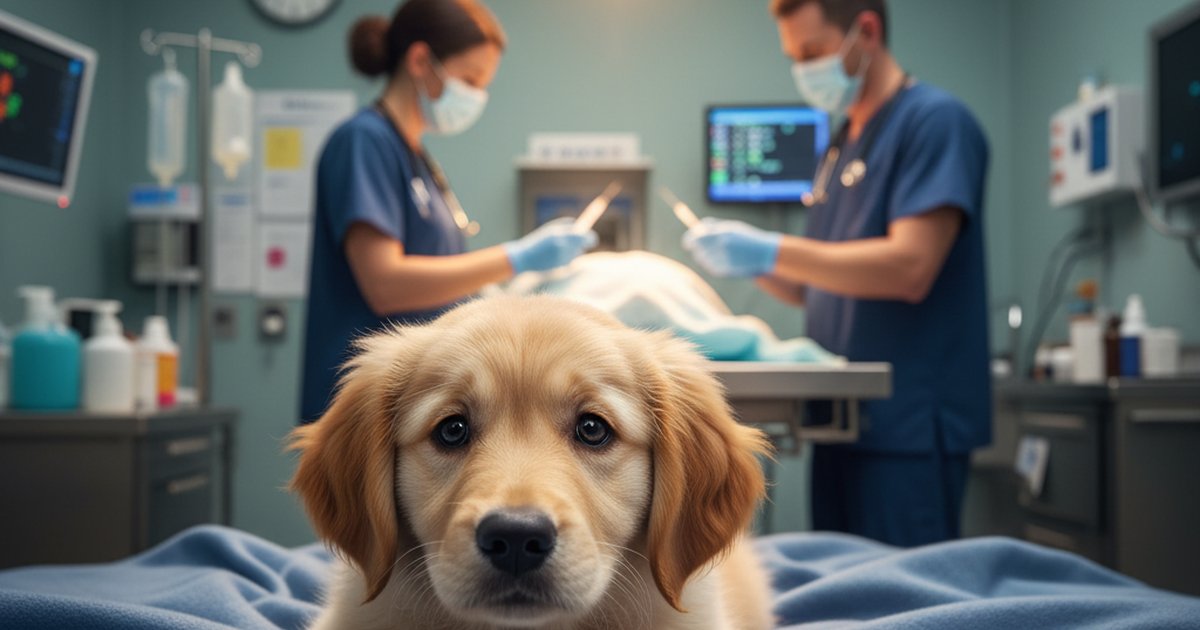
It’s 2:15 AM. You’re standing in your kitchen in your pajamas, hands shaking, typing “emergency vet near me” into your phone.
Maybe your Golden Retriever’s stomach is suddenly swollen and he’s pacing, trying to vomit but nothing is coming up. Maybe your male cat has been screaming in the litter box for the last hour. Whatever it is, the panic is rising in your throat.
I know exactly how you feel, because I’m the person waiting for you on the other side of those sliding glass doors.
For 15 years, I’ve worked as a senior veterinary assistant in high-volume, 24/7 emergency animal hospitals. I know the smell of the ER waiting room—a mix of industrial bleach, fear, and expressed anal glands. I know the look in an owner’s eyes when they realize something is terribly wrong. And I know the exact moment the medical crisis turns into a financial nightmare.
I want to pull back the curtain on what actually happens when you rush into the ER, what the medical realities look like, and why having pet insurance is the only way to protect yourself from the hardest decision you’ll ever have to make.
The Reality of ER Triage
When you burst through our doors, my first job is to look at your pet and decide if they are actively dying. This is called triage.
If I take your dog or cat from your arms and run them straight to the treatment area in the back, it means we are fighting the clock. It means their gums are gray, they aren’t breathing right, or their heart rate is crashing.
If I tell you to take a seat in the waiting room, I know it feels agonizing. You’re sitting there listening to a phone ring while your dog is bleeding from a torn ear or your cat is throwing up foam. But please understand: in veterinary ERs, waiting is a privilege. It means your pet is stable. We are currently in the back doing CPR on a dog that was hit by a car, or placing an oxygen mask on a cat in congestive heart failure.
Once we get you into an exam room, the doctor will assess your pet, and then I will walk in with the dreaded clipboard.
The Clipboard and the “Estimate”
This is the part of my job I hate the most. I have to look an exhausted, terrified pet owner in the eye and hand them an estimate for life-saving care.
Emergency medicine is incredibly expensive. We have to keep a fully stocked hospital, surgical suites, oxygen cages, and a highly trained staff running 24 hours a day, 365 days a year. Here is what those midnight emergencies actually cost, and what we are doing to your pet to save them.
The Blocked Tom Cat: $1,500 - $3,500
Male cats have a very narrow urethra. Stress, diet, or inflammation can cause crystals and mucus to form a literal plug of grit, trapping urine in the bladder. When you bring him in, his bladder feels like a rock-hard baseball. If we don’t fix it, the urine backs up into his kidneys, the potassium in his blood spikes, his heart stops, or his bladder ruptures. It is an excruciating way to die.
To save him, we have to sedate him heavily. We pass a tiny, rigid catheter into his penis, using saline to forcefully blast the grit out of the way until we hit the bladder and the bloody urine pours out. We then sew the catheter to his prepuce so it stays in place for 48 hours while we flush his bladder and run IV fluids to save his kidneys.
Gastric Dilatation-Volvulus (Bloat): $5,000 - $8,000
This is the nightmare for large, deep-chested dogs like Great Danes, Shepherds, and Poodles. The stomach fills with gas and literally twists on itself, cutting off the blood supply. The tissue starts dying within hours.
We have to rush your dog into emergency surgery. The surgeon slices open the abdomen, physically untwists the massive, bloated stomach, and assesses if any of the tissue has turned black and died. If the stomach is viable, we stitch it to the abdominal wall (a gastropexy) so it can never twist again. It’s a brutal, bloody, exhausting surgery, but it saves their life.
The Intestinal Foreign Body: $3,500 - $6,000
Dogs eat stupid things. Socks, corn cobs, underwear, squeaker toys. When it gets stuck in the intestines, it acts like a plug. The intestines stretch, become inflamed, and start to die.
During a bowel resection, we open the abdomen and pull the intestines out onto the surgical drapes. We have to slice into the inflamed, angry-looking gut, milk the rotting object out, and flush the area. If the bowel is already necrotic (dead), we have to amputate that section of the intestines and sew the healthy ends back together before the dog goes septic.
The Heartbreak of Economic Euthanasia
Here is the dirty secret of veterinary medicine: we don’t just put animals to sleep because they are old or terminally ill. We put them to sleep because their owners cannot afford the estimate on my clipboard.
We call it “economic euthanasia.” It is the soul-crushing reality of this profession.
I have held the paw of a three-year-old Golden Retriever who swallowed a tennis ball. He was perfectly healthy, strong, and deeply loved. He just needed a $4,000 surgery. The owners, a young couple with a new baby, simply didn’t have the money. They couldn’t get approved for CareCredit. They maxed out two credit cards and only had $800.
So, instead of prepping that beautiful dog for surgery, I prepped him for a lethal injection. The owners sobbed into his fur. I went to the breakroom afterward and cried until I threw up.
Veterinarians and techs don’t want your money. We want to fix your pet. But the hospital cannot operate for free, and the medical supplies, anesthesia, and staff salaries cost thousands of dollars a night.
How Pet Insurance Changes the Conversation
When I walk into an exam room to deliver a $6,000 estimate, the first question I ask is, “Do you have pet insurance?”
When the answer is “Yes,” the entire energy in the room shifts. You can see the physical relief wash over the owner’s face. We stop talking about money, and we start talking about medicine.
If you own a pet, you need to have a plan for the 2 AM emergency. Relying on your savings account is a gamble. A single ER visit for a hit-by-car trauma or a sudden toxic ingestion will easily wipe out $5,000.
Companies like Trupanion are game-changers in the ER because they offer Vet Direct Pay. If our hospital is in their network, we process the claim at the front desk in five minutes. You only pay your deductible and your 10% co-pay before you leave. You don’t have to front the $6,000 and wait for a check.
Other providers like Lemonade, Embrace, Nationwide, and Pets Best are also excellent. They generally reimburse 80% to 90% of the emergency bill within a few days. If you have to put the bill on a credit card, you at least know the money is coming back to pay it off.
My Blunt Advice to You
Do not wait until you are frantically searching “emergency vet near me” to think about how you will pay for it. By then, it is too late. Insurance companies have waiting periods—you cannot buy a policy in the waiting room while your dog is bleeding and expect it to cover the surgery.
Stop buying the expensive orthopedic beds, the monthly subscription boxes full of toys they will eventually destroy (and possibly swallow), and the matching sweaters. Take that $40 or $50 a month and buy a solid pet insurance policy.
Insure your pet while they are young and healthy, before the allergies, the limp, or the chronic vomiting start and become “pre-existing conditions.”
I love animals. I love my job. But I am so tired of bagging up young, fixable pets because their owners were caught unprepared by the cost of emergency medicine. Give yourself the peace of mind so that if you ever have to meet me at 2 AM, the only thing you have to worry about is giving your best friend a kiss on the nose before we take them back to save their life.
Frequently Asked Questions
Why does the emergency vet cost so much more than my regular vet?
Because we are running a mini-hospital 24/7. We have specialized surgical suites, oxygen cages, in-house blood analyzers, and a fully staffed team of doctors and techs awake at 3 AM. You're paying for immediate access to life-saving infrastructure, not just the doctor's time.
Should I go to the ER if my dog ate a sock but seems fine?
Yes, and do it immediately. If you get here within an hour or two, we can give them an injection to make them vomit the sock up for about $200. If you wait a day to see if it passes, it might get stuck in the intestines, requiring a $4,000 emergency bowel surgery.
Do emergency vets take payment plans?
Most ERs do not offer in-house payment plans because the overhead is too high and people simply don't pay the bills once the pet is better. We accept CareCredit and Scratchpay, but if you don't get approved, you are expected to leave a deposit (usually 50% of the high end of the estimate) before we start treatment.