Disclosure: This post contains affiliate links. We may earn a commission at no extra cost to you. Our research is independent and unbiased.
Editorial Note: This article was researched with AI assistance and reviewed by licensed veterinary and insurance professionals before publication.
Can You Insure a Parrot or Lizard? The Ultimate Exotic Pet Insurance Guide
A vet tech's guide to exotic pet insurance. What it costs when your bird or reptile crashes, and the only company that actually covers them.

Pet Insurance Guide Research Team
Independent Analysts
When people think of pet insurance, they picture golden retrievers eating socks or cats with kidney disease. But I’ve been a veterinary technician in emergency hospitals for 15 years, and let me tell you—the exotic ward is where the real heartbreak happens.
I’m talking about the birds, the reptiles, and the small mammals. If you share your home with a cockatoo that screams at the mailman, a bearded dragon that judges you from a heat rock, or a ferret that steals your keys, you already know they have specific quirks. What you might not know is how fragile they actually are.
Birds and small mammals are prey animals. They are masters at hiding sickness. By the time your rabbit stops eating or your parrot sits fluffed up at the bottom of the cage, they aren’t just “under the weather”—they are crashing. And when they crash, you need a board-certified exotics specialist. Regular vets often won’t touch a sick chameleon. Specialists charge specialist prices, and I have held too many crying owners in the exam room who had to choose “economic euthanasia” for a beloved guinea pig simply because they couldn’t afford a $2,000 emergency bill.
Exotic pet insurance exists so you never have to make that choice.
Who Actually Covers Exotics?
I’ll be blunt: In the United States, you basically have one option right now, and that’s Nationwide.
Some smaller companies might try to sell you a “wellness plan,” which is really just a discount club for routine exams. But Nationwide is currently the only major company offering true Accident & Illness insurance for exotics.
Who is Eligible?
They cover a surprisingly huge list of nontraditional pets:
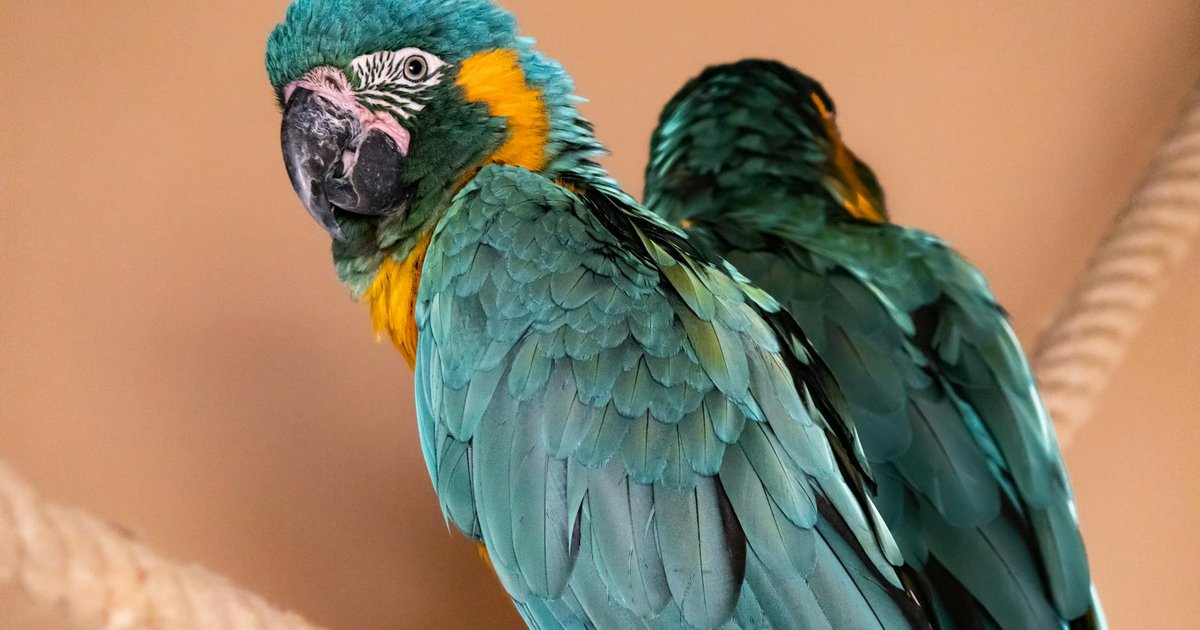
- Birds: Parrots, cockatoos, macaws, canaries.
- Small Mammals: Ferrets, rabbits, guinea pigs, sugar gliders, chinchillas.
- Reptiles: Snakes, turtles, tortoises, and lizards (like iguanas, geckos, and chameleons).
- Others: Pot-bellied pigs and goats.
Note: Don’t try to insure your venomous snake, an endangered species, or a wolf-dog hybrid. They won’t cover them.
What Do They Actually Cover?
It works exactly like a standard dog or cat policy. You pay the vet bill upfront, file a claim, and the insurance company cuts you a check to reimburse you.
✅ Covered
- Accidents: Broken wings, cracked tortoise shells, heat stroke from a busted heat lamp.
- Illnesses: Upper respiratory infections in rabbits, egg-binding in birds, metabolic bone disease in reptiles (as long as it wasn’t a pre-existing condition).
- Diagnostics: X-rays, specialized bloodwork, fecal tests.
- Treatments: Oxygen incubators, surgeries, prescription medications, and overnight hospital stays.
❌ Not Covered
- Pre-existing conditions: If your pet is already sick before you buy the policy, you’re out of luck.
- Breeding costs: If you’re breeding them, the medical fallout is on you.
- Parasites: Mites and internal worms are usually excluded.
- Routine care: Nail trims, wing clips, and regular checkups aren’t covered unless you buy an extra wellness add-on (if they offer it).
The Real Cost of Exotic Emergencies
Let me walk you through what these emergencies actually look like on my treatment table, and what they cost.
1. The Egg-Bound Parakeet
- The Reality: It’s exactly as horrific as it sounds. An egg gets physically stuck inside the bird. She sits at the bottom of the cage, fluffed up, panting, and straining. She is slowly dying from exhaustion and the physical pressure on her internal organs.
- The Treatment: We have to put her in a heated oxygen incubator, give calcium injections, and attempt manual extraction. If that fails, we have to put a tiny, fragile bird under anesthesia for surgery.
- The Bill: $800 - $2,500.
- With Insurance: You pay your deductible plus 10-30% of the bill. You get to take your bird home instead of putting her to sleep over a stuck egg.
2. The Rabbit with GI Stasis
- The Reality: Bunnies have incredibly sensitive digestive tracts. If your rabbit stops eating and pooping for even 12 hours, their gut literally stops moving (GI Stasis). Gas builds up, causing agonizing pain, and it is fatal within 24 hours if ignored.
- The Treatment: We admit them to the hospital. We pump them full of IV fluids, hardcore pain medications, and drugs to force their gut to move, and we syringe-feed them critical care formula around the clock for days.
- The Bill: $1,200 - $3,000.
3. The Iguana’s Broken Tail
- The Reality: A heavy cage door slams shut, or the iguana gets spooked and thrashes, and suddenly the tail is crushed or snapped off.
- The Treatment: We have to anesthetize the lizard, surgically amputate the damaged tissue to prevent necrosis and infection, stitch them up, and send them home with exotic-safe antibiotics and pain meds.
- The Bill: $1,500.
Is It Worth It?
As someone who sees the worst-case scenarios every single shift, my answer is a resounding YES.
- It’s Cheap: Insuring a rabbit or a lizard often costs less than $20 a month. One single emergency room visit pays for five years of premiums.
- They Live Forever: Large birds like Macaws and Amazons can live 50 to 80 years. That is decades of potential accidents, tumors, and illnesses.
- They Hide Their Pain: Because prey animals hide their symptoms, by the time you realize they are sick, it’s already an expensive, life-or-death emergency.
How to Get Covered
Because Nationwide is basically the only game in town for this, and exotic pricing is so specific by species, their online quoting tools aren’t great. You usually just have to pick up the phone and call them directly (800-USA-PETS) to get a policy started.
Look, I get it. Some people think it’s crazy to buy health insurance for a $20 hamster or a $50 gecko. But once that animal is in your home, they are family. Don’t gamble with their life, and don’t put yourself in a position where you have to authorize euthanasia just because you can’t afford the treatment. Get the coverage.
Related Articles
- Nationwide Exotic Pet Insurance Review
- Best Exotic Pet Insurance Companies 2026
- Rabbit Insurance: Is It Worth It?
- Best Parrot Insurance
- Bearded Dragon Insurance Cost
Related Guides
- Is Pet Insurance Worth It?
- Pet Insurance Cost Guide
- Insurance vs. Savings
- Best Pet Insurance for Dogs
- Best for Puppies
- Best Pet Insurance for Cats
Frequently Asked Questions
Which company covers exotic pets?
Look, Nationwide is the only major player right now that writes actual accident and illness policies for exotics. Everyone else just sells discount wellness plans.
How much does exotic pet insurance cost?
It's surprisingly cheap. You're usually looking at $10 to $40 a month. That's a steal considering a single exotic ER visit can run you two grand.
Are pre-existing conditions covered?
Absolutely not. Just like with dogs and cats, if your iguana already has metabolic bone disease before you sign up, you're paying that bill out of pocket. Get it early.