
Disclosure: This post contains affiliate links. We may earn a commission at no extra cost to you. Our research is independent and unbiased.
Editorial Note: This article was researched with AI assistance and reviewed by licensed veterinary and insurance professionals before publication.
The Dirty Truth About Friskies Canned Cat Food: An ER Vet Tech's Perspective
Is Friskies garbage, or a lifesaver for your cat's kidneys? A 15-year ER vet tech breaks down the health risks, the benefits, and the midnight vet bills.

Alex Carter
Veterinary Medicine Expert
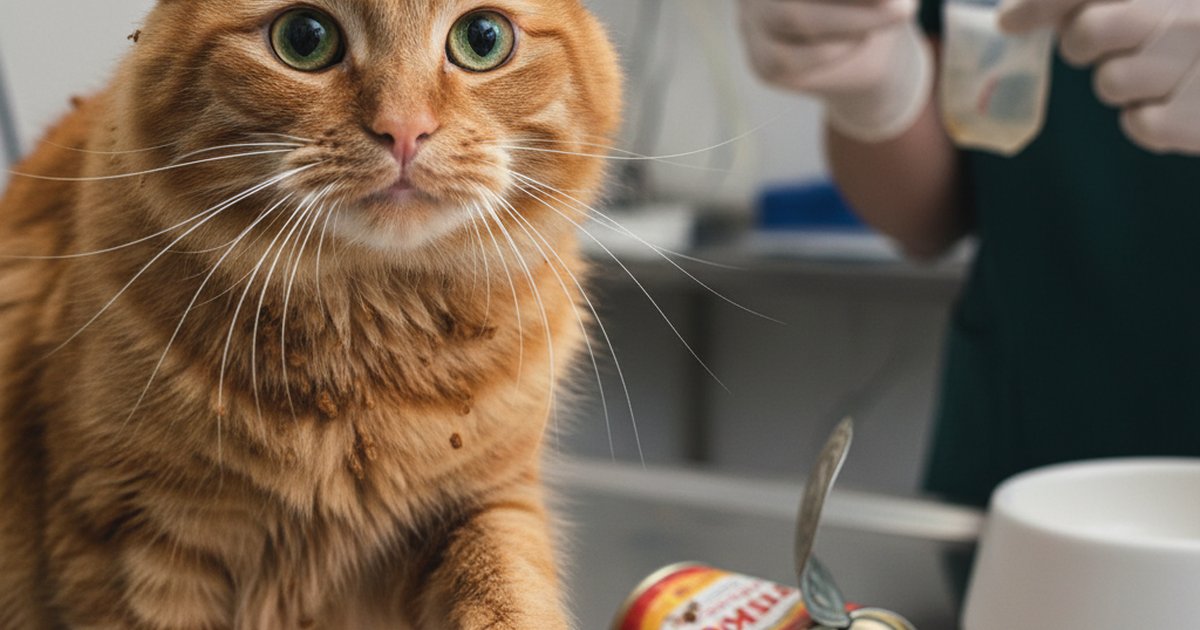
If you’ve ever walked into a veterinary ICU at 3:00 AM, you know it has a distinct smell. It’s a mix of rubbing alcohol, bleach, fear, and—almost always—the pungent, fishy aroma of cheap canned cat food.
Over my 15 years as an emergency veterinary assistant, I have popped open thousands of cans of Friskies. When a critically ill, anorexic cat comes in and refuses to touch the $80-a-case premium veterinary diet, what do we reach for? The stinky, gravy-covered, grocery-store Friskies. Because cats love it, and in the ER, a cat that eats is a cat that lives.
But I hear the guilt from pet owners every single day. You read online forums telling you that feeding your cat Friskies is akin to feeding a toddler fast food for every meal. You worry you’re setting them up for a lifetime of health issues.
Let’s strip away the pet-food marketing fluff and talk about the gritty medical reality of feeding Friskies canned cat food, the emergencies I see linked to feline diets, and how to protect your wallet when things go wrong.
The Good: Why I Will Take Friskies Over Expensive Dry Food Any Day
Cats are originally desert animals. They have incredibly low thirst drives, meaning they are designed to get almost all of their hydration directly from the prey they eat. When you feed a cat an exclusively dry kibble diet—even a $100 bag of organic, grain-free kibble—they exist in a state of chronic, low-grade dehydration.
This dehydration leads to the absolute bane of a vet tech’s existence: Feline Lower Urinary Tract Disease (FLUTD) and urethral obstructions.
The Agony of the “Blocked Tom”
Male cats have urethras the size of a pinhole. When they don’t get enough water, their urine becomes highly concentrated. Minerals clump together, forming microscopic crystals and thick, bloody mucous. Eventually, this sludge plugs the urethra completely.
A blocked cat is an absolute medical emergency. They will visit the litter box repeatedly, straining and howling in pain. Their bladder fills up like a hard, water balloon. If we don’t intervene, the pressure backs up into the kidneys, toxins flood the bloodstream, the heart rate plummets, and they die an agonizing death within 48 hours.
Unblocking a cat is a delicate, expensive procedure. We have to heavily sedate them, pass a tiny plastic catheter through a swollen, bleeding penis, and flush out the gritty sludge. They then spend three to four days in the ICU with a urinary catheter sewn in place, receiving IV fluids and heavy painkillers.
The bill for this? Usually between $2,500 and $4,500.
Here is the blunt truth: Feeding high-moisture canned food—yes, even cheap Friskies—drastically reduces the risk of urinary blockages. The water content dilutes the urine, keeping the bladder flushed. I would rather see a cat eating Friskies pate every day of its life than eating expensive, dry kibble.
The Bad: The Junk Food Catch
While the moisture in Friskies is a lifesaver, we can’t ignore the nutritional reality. Friskies is highly palatable because it’s packed with strong flavors, and certain varieties (especially the “shreds” or “bits in gravy”) are loaded with carbohydrates.
Obesity and the Diabetes Trap
Cats are obligate carnivores; they have zero biological need for carbohydrates. When they consume the starches used to thicken the gravy in cheap wet foods, those carbs turn directly into fat.
Obesity in cats is an epidemic, and it is a one-way ticket to Feline Diabetes.
When a cat becomes diabetic, their pancreas stops producing enough insulin to manage their blood sugar. If left untreated, they crash into a state called Diabetic Ketoacidosis (DKA). You’ll notice your cat is lethargic, vomiting, and their breath might smell bizarrely sweet, like nail polish remover.
Treating a DKA cat is incredibly intensive. They require 24/7 monitoring, specialized IV fluid cocktails, and blood sugar checks every two hours. A DKA hospitalization easily runs $4,000 to $6,000. And that’s before the ongoing costs of insulin, syringes, and prescription diets, which can cost $150 a month for the rest of the cat’s life.
If you are going to feed Friskies, stick to the classic pates. They are significantly lower in carbohydrates than the gravy varieties.
The Heartbreak of the Midnight Estimate
This brings me to the absolute worst part of my job: the clipboard.
It is soul-crushing to walk into an exam room at 2:00 AM, hand a crying owner a $4,000 estimate to unblock their cat, and watch their face fall. I know exactly what is going through their mind. They love this animal like a child, but they simply do not have four thousand dollars sitting in a checking account.
This is what the veterinary industry calls “economic euthanasia”—having to put a beloved, fixable pet to sleep solely because the owner cannot afford the medical care. I have bagged too many bodies and held too many paws while the life faded from their eyes simply because of a bank balance.
This is why I am ruthless about telling pet owners to get pet insurance. It is not a luxury; it is a vital safety net.
If that blocked cat owner had a policy with Trupanion, which offers direct vet pay, they would only have to pay their deductible at the front desk. We could rush the cat to the back and start saving his life immediately.
If they had Lemonade or Pets Best, they could put the bill on a credit card, file a claim on their phone from the waiting room, and have 80% to 90% of that $4,000 reimbursed within a week or two.
Insurance gives you the power to say, “Do whatever it takes,” instead of, “I guess we have to say goodbye.”
How to Feed Friskies Responsibly
If Friskies is what fits your budget, or if it’s the only thing your stubborn cat will eat, you do not need to feel guilty. You just need to be smart about it.
- Stick to the Pate: As mentioned, avoid the gravies. The classic pate has a much better protein-to-carb ratio.
- Add Extra Water: Turn that pate into a soup. Mash it up with a few tablespoons of warm water. The more water your cat drinks, the happier their kidneys and bladder will be.
- Control the Portions: Do not free-feed. An average 10-pound indoor cat usually only needs about one 5.5oz can of wet food a day, split into two meals. Read the calories, not just the feeding guide on the can, which often overestimates how much a sedentary indoor cat actually needs.
A Final Plea From the Treatment Room
Your cat doesn’t care about the brand name on the can. They care about a full belly, a warm lap, and feeling safe.
But as someone who works in the trenches of veterinary medicine, I need you to protect them—and yourself—from the unexpected. A urinary blockage, a sudden diabetes diagnosis, or a swallowed toy doesn’t care if you feed Friskies or raw quail. Emergencies happen to every breed, on every diet.
Do not wait until your cat is howling in the litter box to think about how you’ll pay a $3,000 vet bill. Look into a policy with Embrace, Nationwide, or Lemonade today, while your cat is healthy. Lock in that coverage so that if you ever find yourself sitting in my ER at 3:00 AM, the only thing you have to worry about is comforting your cat, not emptying your savings account.
Frequently Asked Questions
Is Friskies pate better than the shreds in gravy?
Yes. From a medical standpoint, the pates are generally lower in carbohydrates than the gravy varieties. Gravies are thickened with starches, which spike blood sugar and contribute to obesity and diabetes in cats. Stick to the pate and mash it up with a little warm water.
Will cheap wet food rot my cat's teeth?
Genetics play a much bigger role in feline dental disease than food texture. Dry food doesn't 'scrape' the teeth clean any more than eating pretzels cleans human teeth. If you feed wet food, just make sure you're getting your cat's teeth checked annually, as dental extractions can easily run $1,000 to $2,500.
My cat is addicted to Friskies and won't eat prescription food. What do I do?
Fed is best. If your cat has kidney disease and refuses the $80-a-case prescription renal diet, but will house a can of Friskies pate, let them eat the Friskies. An anorexic cat is a dead cat. Talk to your vet about adding a phosphate binder to the Friskies instead.