
Disclosure: This post contains affiliate links. We may earn a commission at no extra cost to you. Our research is independent and unbiased.
Editorial Note: This article was researched with AI assistance and reviewed by licensed veterinary and insurance professionals before publication.
The Real Cost of "Frisky Cat Food": Why Your Cat's Diet Demands Pet Insurance
An ER vet tech explains the heartbreaking reality of urinary blockages, the risks of budget dry diets, and why pet insurance is a literal lifesaver.

Alex Carter
Veterinary Medicine Expert
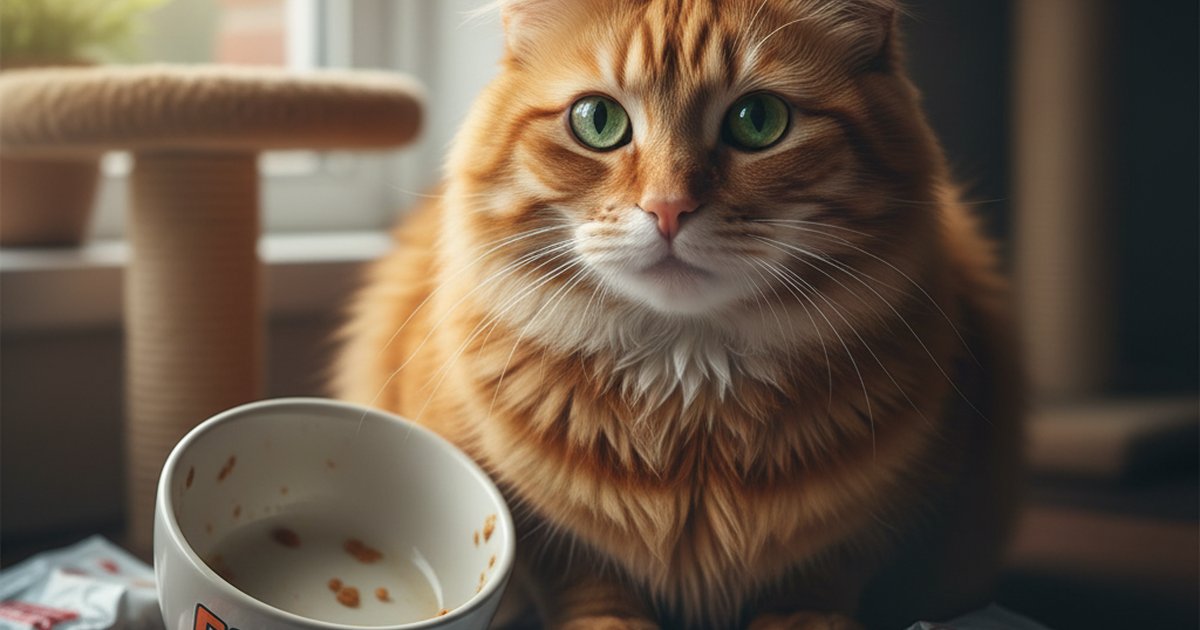
It’s 2:00 AM on a Tuesday. The clinic doors slide open, and a frantic owner rushes in carrying a laundry basket. Inside is a three-year-old male tabby, yowling a low, guttural cry that makes the hair on my arms stand up.
“I think he’s constipated,” the owner tells me, eyes wide with panic. “He’s been straining in the litter box for two days.”
I slide my hands under the cat’s belly. Instantly, I feel it. His bladder is the size of a hardball, tight and rigid. He isn’t constipated. He is blocked. His urethra is plugged with a gritty sludge of minerals and mucus, and his own urine is backing up into his kidneys.
As a vet tech with 15 years in high-volume emergency rooms, I see this exact scenario at least three times a week. And almost every single time, the conversation shifts from the cat’s anatomy to what’s in their food bowl—often a budget dry kibble, like a standard bag of frisky cat food from the grocery store.
More importantly, the conversation shifts to money. Because unblocking a cat is expensive, and I have held the paws of too many beautiful, young cats as they were put to sleep simply because their owners didn’t have $3,000 at two in the morning.
Here is the unfiltered truth about your cat’s diet, the medical nightmares it can trigger, and why pet insurance is the only thing standing between your pet’s life and a heartbreaking financial decision.
The Danger in the Bowl
Cats are desert animals by evolution. They are designed to get most of their water intake from their prey. They naturally have a low thirst drive, meaning they rarely drink enough water from a bowl to stay adequately hydrated.
When you feed your cat an exclusive diet of dry kibble—especially budget brands heavily loaded with carbohydrates, ash, and plant-based proteins—you are feeding a chronically dehydrated animal. This highly concentrated urine becomes the perfect breeding ground for struvite or calcium oxalate crystals.
Over time, these microscopic crystals clump together with mucus in the bladder, forming a thick, gritty paste. In female cats, the urethra is wide enough that they usually just suffer through a painful UTI. But in male cats, the urethra narrows down like a funnel as it passes through the penis. That gritty sludge hits the bottleneck and stops. Completely.
The Dirty Details of Unblocking a Cat
When a cat is blocked, the kidneys can’t filter toxins out of the blood. Potassium levels spike, which will eventually stop the heart. It is an agonizing way to die.
Fixing it isn’t just handing you a pill. It requires intensive emergency intervention.
First, we have to stabilize the cat. If their heart rate is crashing from high potassium, we push calcium gluconate and insulin to protect the heart and drive potassium back into the cells. Then, we heavily sedate them.
Once they are under, we pass a tiny, rigid catheter into the tip of the penis. We use sterile saline to forcefully flush the blockage back into the bladder. It takes patience, and it’s messy. The smell of concentrated, backed-up urine—often dark red and thick with blood—is something you never forget.
After we clear the blockage, we suture a softer catheter to the cat’s prepuce so it stays in place for 48 to 72 hours. We hook them up to a closed collection system (a urine bag) and pump them full of IV fluids to flush the kidneys and clear the sludge out of the bladder.
They stay in our ICU for days. We monitor their urine output, give them heavy pain medications (buprenorphine), and watch their bloodwork.
The Bill: Why You Need Insurance
Emergency veterinary medicine requires specialized equipment, around-the-clock staffing, and intensive care. It is not cheap. Here is a realistic breakdown of what a blocked cat will cost you at 2 AM:
- Emergency Exam: $150 - $200
- Stat Bloodwork & Urinalysis: $250 - $350
- Sedation & Unblocking Procedure: $400 - $600
- Radiographs (checking for stones): $200 - $300
- Hospitalization & IV Fluids (2-3 days): $1,200 - $2,000
- Medications: $100 - $150
Total Estimated Cost: $2,300 - $3,600
If you don’t have pet insurance, you have to pay that bill upfront, or apply for third-party financing like CareCredit. If you are denied financing and your checking account is empty, you are left with “economic euthanasia.”
I despise economic euthanasia. It guts me every single time. Putting a three-year-old cat in a body bag because of a highly treatable urinary blockage is the worst part of my job.
This is where companies like Trupanion, Lemonade, or Pets Best change the entire narrative. If an owner walks in and says, “We have Embrace pet insurance, do whatever it takes,” the tension leaves the room. We don’t have to cut corners. We don’t have to skip the bloodwork to save money for the catheter. We just get to work saving your cat.
Most good pet insurance policies will reimburse 80% to 90% of that $3,500 bill after your deductible. You pay the ER, file the claim on your phone in the waiting room, and get a direct deposit a few days later.
When It Happens Again: The $5,000 Surgery
Here is the hardest truth about urinary blockages: once a male cat blocks, he is highly likely to block again. Even if you throw out the frisky cat food, switch to an all-wet prescription diet, and buy three water fountains, stress alone can trigger inflammation that blocks him up again.
If a cat blocks multiple times, we have to perform a Perineal Urethrostomy (PU) surgery.
During a PU surgery, the veterinarian amputates the penis and surgically attaches the wider pelvic urethra directly to the skin. We are essentially widening the nostrils so the cat can finally take a full breath of air—except it’s for urine. We turn their anatomy into something closer to a female cat’s so the crystals can pass without getting stuck.
It is a delicate, life-saving surgery. It also costs between $4,000 and $6,000 at a board-certified surgical center.
If you bought pet insurance before your cat had his first blockage, the PU surgery is covered. If you wait until after he blocks the first time to buy a policy, the insurance company will flag it as a pre-existing condition, and you will be paying that $6,000 entirely out of pocket.
Protect Your Cat Now
We all want to feed our pets the best, but the reality is that groceries are expensive. If your budget means you are feeding commercial dry kibble, I am not here to judge you. Fed is best.
But you need to understand the medical risks associated with that diet. The savings you get at the grocery store will instantly evaporate the second your male cat starts crying in the litter box.
Do yourself and your vet team a massive favor. Buy a pet insurance policy today. Get it while your cat is young, healthy, and has zero pre-existing conditions. Lock in a plan with Nationwide, Lemonade, or Pets Best. Pay the $25 to $40 a month.
Because when it’s 2 AM, and your cat is screaming in pain, the absolute last thing you should be worrying about is your credit card limit. You should only be worrying about taking your best friend back home.
Frequently Asked Questions
Can changing my cat's diet prevent urinary blockages?
Yes, but it's not a 100% guarantee. Switching from dry kibble to a high-moisture canned diet helps flush the bladder, reducing crystal formation. Prescription diets dissolve certain crystals, but stress and genetics still play a huge role. That's why diet alone isn't enough; you need an insurance safety net.
Will pet insurance cover prescription cat food?
Most standard policies don't cover the ongoing cost of prescription food, even if a vet mandates it. However, companies like Trupanion or Embrace will cover the thousands of dollars in emergency treatments, hospitalizations, and surgeries (like a PU) caused by the dietary issue.
How do I know if my male cat is blocked?
If your male cat is repeatedly going to the litter box, crying, licking his genitals, or producing only drops of bloody urine, it is a life-threatening emergency. Do not wait until morning. Get to an ER immediately. His kidneys can start failing within 24 hours.