
Disclosure: This post contains affiliate links. We may earn a commission at no extra cost to you. Our research is independent and unbiased.
Editorial Note: This article was researched with AI assistance and reviewed by licensed veterinary and insurance professionals before publication.
Healthy Paws Rate Increases 2026: Why Premiums Are Skyrocketing
That 40% Healthy Paws rate hike isn't a mistake—it's a brutal reality of the current insurance market. As a vet tech, here's my blunt advice...

Pet Insurance Guide Research Team
Independent Analysts
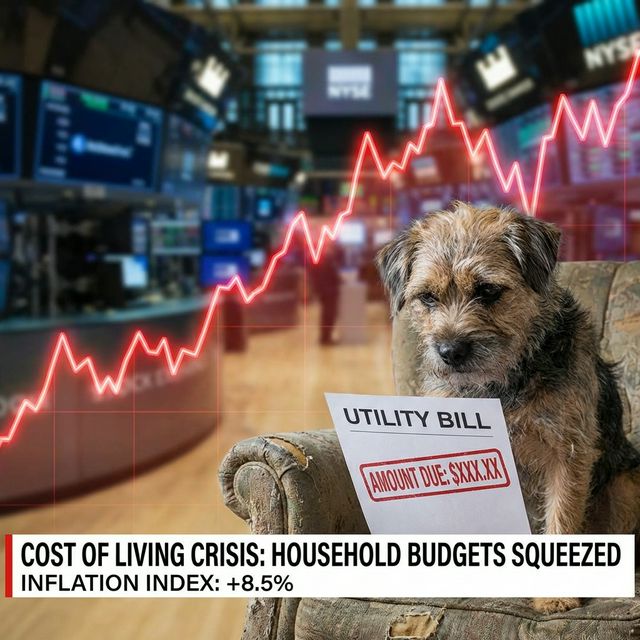
I see it in the clinic at least three times a week. An owner brings in their 10-year-old Lab who suddenly can’t stand up. We run the diagnostics, find a ruptured cruciate ligament or an aggressive spinal issue, and hand over an estimate for $6,000.
The owner breathes a sigh of relief and says, “It’s okay, we’ve had Healthy Paws since he was a puppy.”
And then I have to watch their face fall when they realize their premiums just jumped to $400 a month and they had to drop their coverage down to 50% just to keep the lights on at home.
If you just opened your 2026 renewal email from Healthy Paws and felt your stomach drop at a 30% to 50% increase, I need you to know you aren’t alone. I’m seeing clients who have paid into this system for years being priced out right when their pets’ bodies are starting to break down. We call it “economic euthanasia” in the back room—having to put a dog down simply because the money isn’t there to pay the surgeon—and it is the absolute worst part of my job.
📉 The Brutal Reality of the “Death Spiral”
There’s a term getting tossed around the industry right now: the Death Spiral. It sounds dramatic, but it’s exactly what’s happening to older carriers like Healthy Paws.
Here’s the dirty truth of how it works:
- The Cost of Care is Insane: Veterinary medicine has advanced. We’re doing MRI scans, complex chemo protocols, and placing pacemakers in dogs. That stuff costs a fortune, and clinic prices have spiked 60% over the last decade.
- The Price Hike: To cover those massive payouts, the insurer has to raise everyone’s monthly rates.
- The Young Blood Leaves: People with bouncy, healthy two-year-old Golden Retrievers look at the new bill and jump ship to newer, cheaper competitors like Lemonade or Spot.
- The Trapped Seniors Stay: The only people who stay are the ones who can’t leave—the owners of dogs with diabetes, chronic kidney disease, or a history of mast cell tumors. They are trapped by pre-existing conditions.
- The Crash: Now, the insurer is left paying out massive claims for a pool of mostly sick pets, without the healthy pets subsidizing the cost. So, they have to hike the rates even higher the next year.
📊 What the 2026 Market Looks Like
The legacy carriers (Healthy Paws is underwritten by Chubb) are drowning in this cycle. Meanwhile, the newer “Tech-First” carriers are aggressively pricing to keep their risk pools balanced.
Here’s what we’re actually seeing owners pay right now for senior dogs (especially in high-cost areas like California):
| Carrier | Avg. Senior Dog Premium (CA) | Rate Stability Score |
|---|---|---|
| Healthy Paws | $180 - $450/mo | Low |
| Trupanion | $120 - $250/mo | Medium |
| Lemonade | $80 - $150/mo | High |
💡 Blunt Advice: What You Should Do Today
If you’re staring down a massive hike, don’t just panic-cancel your policy. You have a few ugly, but necessary, options:
- Beg for a Break (Call Retention): Get on the phone. Sometimes the reps have the power to tweak your deductible to stop you from canceling. It lowers your monthly bleed, even if it means eating more cost upfront when an emergency hits.
- Swallow Your Pride and Downgrade: Dropping your reimbursement from 90% down to 70% hurts, but it can slash your premium by 20%. I’d rather see a client get 70% of a $5,000 bloat surgery covered than zero percent because they canceled the policy entirely.
- The Pre-Existing Gamble: If your dog had an ear infection three years ago but has been perfectly healthy since, look into companies like ASPCA or MetLife. They are sometimes willing to cover “curable” past issues after a 12-month waiting period. But do NOT do this if your dog has an ongoing, chronic issue like allergies or hip dysplasia.
The Bottom Line from the Clinic Floor
Dr. Emily Carter says: “I am seeing clients forced to euthanize pets because they can no longer afford the insurance they paid into for years. It is heartbreaking. If you have a puppy right now, look at the writing on the wall. Choose a carrier with a track record of stability, like Trupanion, which actually promises not to raise rates based purely on your pet’s aging.”
If your pet is young, lock in a stable policy yesterday. If your pet is older and you’re trapped with Healthy Paws, look hard at your budget, adjust your coverage to the bare minimum you need for a catastrophic emergency, and hold on tight.
Related Articles
- Pet Insurance Market Report 2026
- Best Pet Insurance for Senior Dogs
- Trupanion vs Healthy Paws 2026
- Lemonade Pet Insurance Review
- Why Claims Get Denied
- Pet Insurance Deductibles Explained
Related Guides
- Is Pet Insurance Worth It?
- Pet Insurance Cost Guide
- Insurance vs. Savings
- Best Pet Insurance for Dogs
- Best for Puppies
- Best Pet Insurance for Cats
Frequently Asked Questions
Why did my Healthy Paws premium go up 40%?
It's the ugly side of insurance called a 'death spiral.' Young, healthy pets are bailing for cheaper plans, leaving only the older, sicker pets behind. With more chronic illnesses and expensive emergency surgeries in the remaining group, Healthy Paws has to jack up everyone's rates just to cover the massive vet bills.
Can I switch insurance if my dog has pre-existing conditions?
I'll shoot straight with you: it's incredibly tough. If your dog is already dealing with arthritis or a heart murmur, a new company will flat-out refuse to cover those specific issues. But if they've been totally healthy for a year, some carriers might look past older, curable problems. You just have to weigh if losing coverage on their current aches and pains is worth the lower monthly bill.