Disclosure: This post contains affiliate links. We may earn a commission at no extra cost to you. Our research is independent and unbiased.
Editorial Note: This article was researched with AI assistance and reviewed by licensed veterinary and insurance professionals before publication.
How Much Is Cat Insurance for a Maine Coon in 2026? A Detailed Cost Analysis
A vet tech's blunt look at the real costs of owning a Maine Coon in 2026, and why pet insurance is the only way to protect your gentle giant from expensive h...

Pet Insurance Guide Research Team
Independent Analysts
The Gentle Giant’s Price Tag: Uncovering the Cost of Maine Coon Insurance in 2026
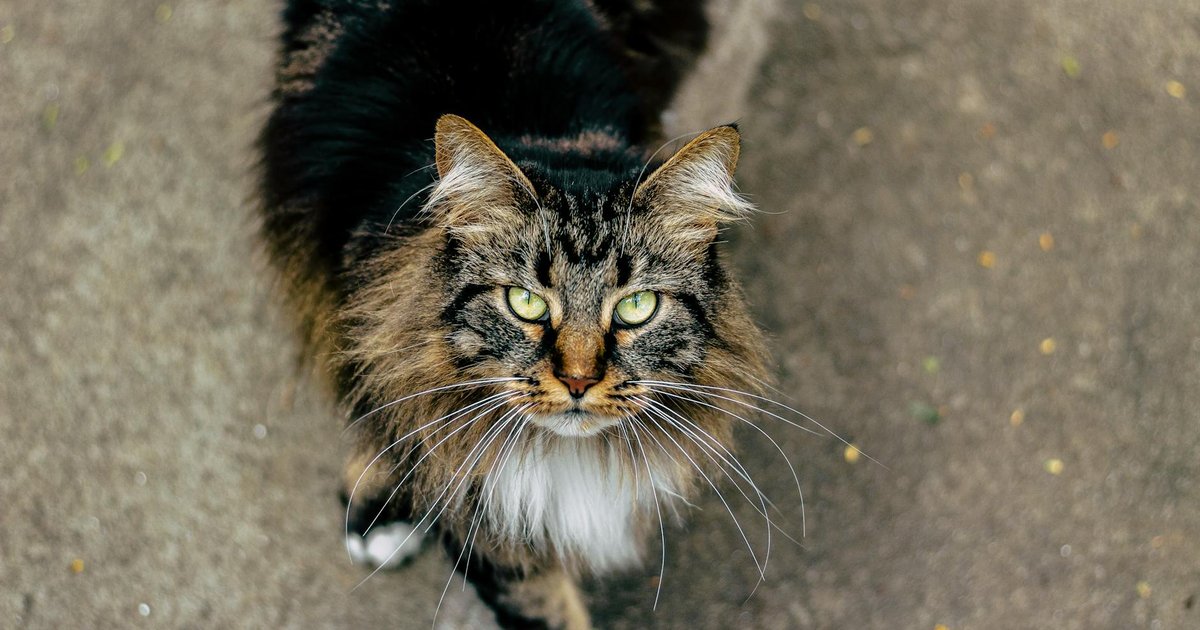
Let’s be real for a second. Owning a Maine Coon isn’t just about showing off a cat the size of a toddler. It’s about dealing with tumbleweeds of fur in every corner of your house, litter boxes that look like children’s sandpits, and the very real anxiety of knowing their purebred genetics are a ticking time bomb. I’ve spent 15 years in the ER trenches, and I’ve seen the devastating toll it takes on owners when these “gentle giants” suddenly break down.
When your 18-pound best friend stops eating and is panting heavily, the last thing you want to worry about is how you’re going to pay for the oxygen tank and the cardiologist. So, let’s talk about the real numbers for insuring a Maine Coon in 2026, because getting coverage isn’t a luxury for this breed—it’s mandatory peace of mind.
Why Insurance for a Maine Coon is a Financial Lifeline
I see a lot of domestic shorthairs live to 18 with nothing more than tartar on their teeth. Maine Coons are a different story. Their massive frames and purebred bloodlines make them prime candidates for some truly expensive, heartbreaking diseases. When these hit, you’re not just paying for a checkup; you’re paying to keep them breathing and walking.
- Hypertrophic Cardiomyopathy (HCM): This is the big one. It’s a silent killer where the heart muscle thickens until it can’t pump blood properly. One day they’re fine, the next they’re literally drowning in their own lung fluid. Managing this means echocardiograms, specialized diuretics, and regular check-ins with a veterinary cardiologist. It’s an exhausting, expensive road.
- Hip Dysplasia: You usually hear about this in Golden Retrievers, but these massive cats get it too. Their hip joints don’t fit together right, grinding bone on bone. Imagine the agonizing pain of arthritis, but in a three-year-old cat. Severe cases require femoral head ostectomy (FHO) surgery—basically hacking off the top of the thigh bone so scar tissue can form a false joint. It’s brutal, recovery is tough, and it’ll easily run you $4,000 to $7,000.
- Stomatitis: This is an autoimmune nightmare where the cat’s body becomes violently allergic to the plaque on its own teeth. Their gums bleed, their breath smells like rotting meat, and they scream when they try to eat. The only real fix is full-mouth extraction—pulling every single tooth out of their skull. That’s a $1,500 to $3,000 surgery just to let them eat in peace.
- Spinal Muscular Atrophy (SMA): A genetic defect that causes the muscles in their lower body to waste away. Watching a once-agile cat lose the ability to jump onto the couch is tough to stomach.
When you’re standing in the ER at 2 AM, the last thing I want to do is hand you an estimate for $5,000 and watch you realize you have to put your cat down because you don’t have the money. Pet insurance stops economic euthanasia. It’s that simple.
2026 Estimated Monthly Cost for Maine Coon Insurance
Right now, veterinary medicine is incredibly advanced, but that advanced tech costs money. For a young, healthy Maine Coon in 2026, a solid accident and illness policy is going to run you between $45 and $90 a month.
If you’re gambling and only want an accident-only plan (which won’t cover any of the genetic disasters I mentioned above, only things like getting hit by a car or eating a string), you’re looking at $25 to $50 a month.
These are ballpark numbers for a one-year-old cat. Your actual bill depends on a few moving parts.
Key Factors That Determine Your Premium
Insurance companies aren’t guessing; they run the statistics. Here’s what actually changes the number on your monthly bill:
- Age: Insure them the day you bring them home. A kitten is cheap. A 10-year-old Maine Coon is a massive liability to an insurance company, and your premium will reflect that.
- Location: If you live in Manhattan, your vet’s rent is higher, so their prices are higher, and your insurance costs more. It’s basic math.
- Deductible: This is what you pay before the insurance company hands over a dime. A high deductible ($1,000) keeps your monthly payment low. A low deductible ($250) means you pay more every month.
- Reimbursement Percentage: After the deductible, they cover a chunk of the rest—usually 70%, 80%, or 90%.
- Annual Coverage Limit: Some plans cap out at $5,000 a year. Trust me, one week in the ICU for heart failure will blow right past $5,000. Unlimited coverage is the safest bet, but it costs the most.
2026 Price & Feature Comparison: Top Pet Insurance Providers
Here’s the blunt truth about the big players in 2026 if you’re trying to cover a young adult Maine Coon.
1. Lemonade
- Estimated Monthly Cost: $40 - $65
- The Vet Tech View: They use AI to process claims fast, which is great when you’re stressed and broke. They’re cheaper, but pay close attention to the add-ons. If you want routine care covered, you have to buy the extra tier. Good for people who want quick payouts and don’t mind using an app for everything.
2. Embrace
- Estimated Monthly Cost: $50 - $80
- The Vet Tech View: I like these guys because they actually reward you for having a healthy pet. Their “Healthy Pet Deductible” drops your deductible by $50 for every year you don’t make a claim. If your Maine Coon makes it to 5 without an issue, you’ve saved a decent chunk of change for when things inevitably go wrong later.
3. Trupanion
- Estimated Monthly Cost: $65 - $100+
- The Vet Tech View: This is the heavy artillery. Yes, they are expensive. But when your Maine Coon is diagnosed with HCM and needs thousands of dollars in cardiology care for the rest of its life, Trupanion doesn’t bat an eye. They have no payout limits, and in many hospitals, we can process the claim right at the front desk so you don’t have to wait for a check. If you can afford it, this is the one you want.
4. Nationwide
- Estimated Monthly Cost: $55 - $85
- The Vet Tech View: They’re a massive company and their “Whole Pet” plan covers almost everything, including those nasty hereditary conditions. They run on a straight percentage reimbursement. They’re reliable, but you’re dealing with a giant corporation, so expect some red tape.
5. Pets Best
- Estimated Monthly Cost: $45 - $75
- The Vet Tech View: If your budget is tight, Pets Best lets you heavily customize your deductible and reimbursement levels so you can afford something rather than nothing. They also have a 24/7 vet hotline, which is a lifesaver when your cat is acting weird at 3 AM and you don’t want to pay a $200 ER exam fee just to be told they have a hairball.
The Verdict: What’s the Best Choice for Your Maine Coon?
Don’t kid yourself—Maine Coons are expensive to keep healthy. Those giant bones and purebred genetics mean you are highly likely to face a serious vet bill at some point in their life.
If you want a solid middle ground, go with Embrace. It gives you the coverage you need for their genetic quirks without completely draining your bank account every month.
If you want to sleep soundly knowing you will never, ever have to make a life-or-death decision based on your credit card limit, bite the bullet and get Trupanion.
Whatever you do, don’t wait. Get quotes from a few places right now. The worst feeling in the world is finding out your cat is sick and realizing it’s too late to get help paying for it.
Related Guides
- Is Pet Insurance Worth It?
- Pet Insurance Cost Guide
- Insurance vs. Savings
- Best Pet Insurance for Dogs
- Best for Puppies
- Best Pet Insurance for Cats
Frequently Asked Questions
Is pet insurance really worth it for a purebred cat like a Maine Coon?
">-" Look, I'll be straight with you. Yes. Maine Coons are genetic heartbreak waiting to happen with things like hypertrophic cardiomyopathy (HCM) and hip dysplasia. I've had to hold the paws of too many owners crying over a $5,000 vet bill they couldn't afford. Insurance means you never have to choose between your wallet and your best friend.
What are the most common health issues for Maine Coons?
">-" Besides their hearts giving out (HCM) and their hips failing them (dysplasia), these big guys are notorious for stomatitis. That's a fancy word for their immune system violently attacking their own teeth and gums. It smells awful, they stop eating because of the agony, and fixing it usually means pulling every single tooth in their head. Get a plan that covers hereditary issues.
Does cat insurance cover genetic conditions?
">-" The good ones do, but only if you get it before the cat shows any symptoms. If your vet notes a heart murmur on Tuesday, and you buy insurance on Wednesday, that heart condition is pre-existing and won't be covered. Read the fine print, and sign up while they're still a healthy kitten.
Can I get insurance for my senior Maine Coon?
">-" You can, but prepare for sticker shock. Most companies cut off new enrollments around 14 years old, and the premiums for an older cat are steep. Plus, any ache or pain they've already had will be excluded. The smartest move is always to insure them the minute you bring them home.