Disclosure: This post contains affiliate links. We may earn a commission at no extra cost to you. Our research is independent and unbiased.
Editorial Note: This article was researched with AI assistance and reviewed by licensed veterinary and insurance professionals before publication.
How to Remove Dog Hair From Clothes: A Pet Owner's Ultimate Guide
Sick of walking out the door looking like you're wearing a fur coat? Here's the vet clinic's guide to getting dog hair out of your clothes, and whe...

Amanda Liu
Pet Health Writer
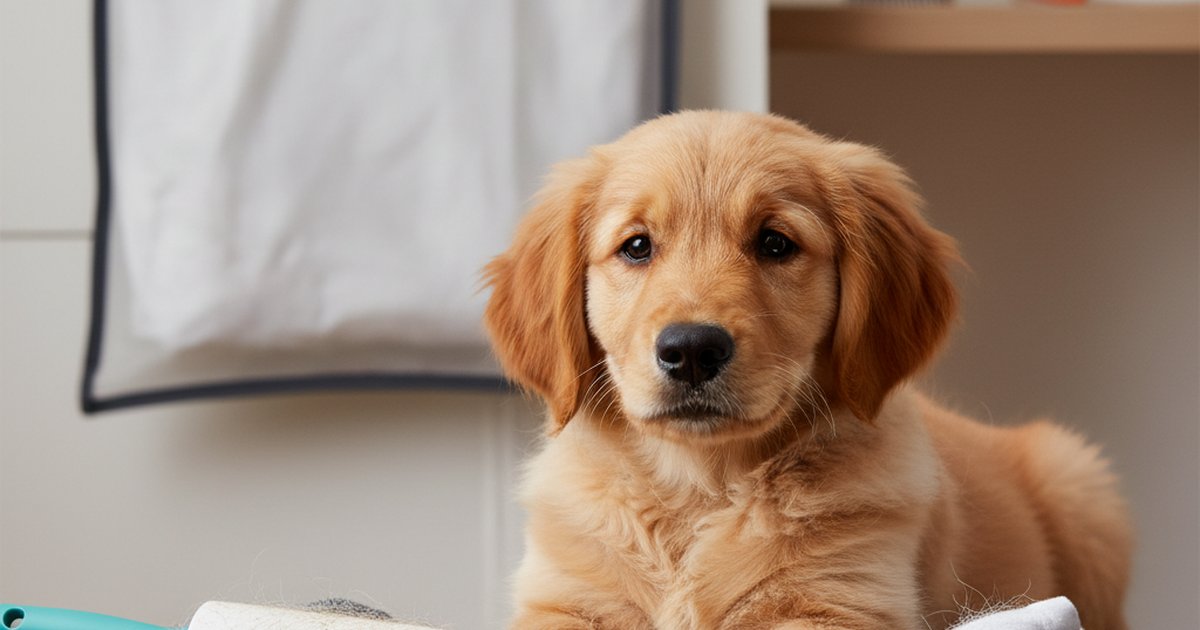
Let’s be real. You love your dog, but you don’t love showing up to work looking like you wrestled a Golden Retriever in your business casuals. I’ve spent 15 years in vet clinics pulling Husky glitter off my scrubs, and I can tell you exactly what works and what doesn’t. If you own a heavy shedder, you know the drill: hair in your coffee, hair woven into your socks, and that one black fleece jacket that you’ve basically retired because it’s permanently frosted with dog fur.
Being covered in hair is annoying, but it doesn’t have to be your permanent reality.
The Quick Fixes: Getting Out the Door
When you have three minutes before you need to leave and your pants are covered in fur, skip the fancy gadgets.
The Damp Rubber Glove Trick
This is the holy grail in the clinic. Put on a standard pair of rubber dishwashing gloves (the thick yellow ones). Run them under the tap, shake off the excess water so they’re just damp, and firmly wipe your hands down your clothes. The friction from the rubber literally pulls the woven hairs out of the fabric, and the moisture clumps it all together into a neat little hairball you can toss in the trash.
Lint Rollers
Keep the extra-sticky pet-specific lint rollers everywhere. One in your car, one by the door, one in your desk. They are the easiest way to grab surface hair, though they won’t pull out the stubborn hairs woven deep into your sweater.
Packing Tape
If you’re desperate, wrap wide packing tape around your hand sticky-side out. Pat yourself down. It’s rough, but it works in an emergency.
The Laundry Strategy: Stop Washing Your Hair
If you just toss a hair-covered blanket or sweater straight into the washing machine, you’re making a massive mistake. Water makes the hair mat down and weave tighter into the fabric fibers. Plus, you’re going to wreck your washing machine’s drain pump (I’ve seen the repair bills, and they aren’t pretty).
Here is the exact laundry protocol you need:
- The Dry Tumble: Before the clothes hit the water, throw them in the dryer on a 10-minute no-heat cycle with a couple of wool dryer balls. The tumbling action and the wool balls knock the loose hair off the dry fabric and straight into the lint trap.
- The Vinegar Rinse: When you do wash them, add a half-cup of plain white vinegar to the rinse cycle. Vinegar relaxes the fabric fibers, which tells the fabric to “let go” of the trapped hair.
- Clean the Trap: Empty your dryer’s lint trap every single time. If it’s full, the air can’t flow, and the hair just recirculates back onto your clothes.
When Shedding Isn’t Just Shedding (The Medical Side)
Here’s where my vet tech brain takes over. Yes, dogs shed. But there’s a huge difference between blowing a seasonal coat and pathological hair loss.
If you’re suddenly finding piles of hair where there used to be just a dusting, or if your dog is developing bald patches, stop worrying about your clothes and look at your dog’s skin.
Are they scratching themselves raw? Is the skin underneath hot, angry red, or covered in crusty scabs? Does the coat suddenly feel brittle and greasy, or smell like old corn chips?
These aren’t grooming problems. These are medical problems.
We see this all the time in the ER. A frantic owner comes in because their dog is losing hair in clumps. Often, we’re looking at severe environmental allergies, a raging staph infection on the skin, flea allergy dermatitis, or a deeper endocrine issue like hypothyroidism or Cushing’s disease. Hypothyroidism literally shuts down the hair follicles’ growth phase, causing the hair to just fall out and not grow back.
The Cost of Figuring It Out
When you bring a dog in for sudden, severe hair loss and skin issues, we have to play detective. And that gets expensive fast. We can’t just guess; we need data.
| Diagnostic Test / Treatment | What It Is | Estimated Cost Range |
|---|---|---|
| Exam Fee | The doctor physically examining the skin and coat. | $50 - $250 |
| Skin Scrape / Cytology | Scraping the skin to look for microscopic mites or yeast/bacteria under a microscope. | $40 - $120 |
| Blood Panel | Checking thyroid levels and organ function. | $100 - $400 |
| Allergy Testing | Figuring out exactly what environmental triggers are causing the immune response. | $200 - $1,000+ |
| Prescription Medications | Antibiotics, antifungals, or heavy-duty allergy meds like Apoquel or Cytopoint. | $40 - $200+ per month |
If your dog’s hair loss is due to severe allergies, a single flare-up can easily hit $500 to $800 just to get them comfortable again. And allergies are a lifelong management issue, not a one-time fix.
This is exactly why I am so blunt about pet insurance. You do not want to be standing in the exam room, looking at a $1,000 estimate for bloodwork and allergy testing, and having to say “no” because you don’t have the cash.
A solid accident and illness policy from companies like Lemonade, Embrace, or Trupanion is your safety net. If you have a plan with a $250 deductible and a 90% reimbursement rate, that $1,000 allergy workup suddenly only costs you $325 out of pocket. The insurance company handles the rest, and your dog gets the relief they desperately need.
The Bottom Line
Get the rubber gloves for your clothes, run the pre-wash dryer cycle, and brush your dog outside. But most importantly, pay attention to what’s falling off your dog. If the shedding turns into balding, or the skin looks angry, get to the vet. Protect yourself financially with pet insurance before the bald spots appear, so you can focus on getting your best friend healthy instead of stressing over the clinic bill.
Related Articles
(Coming Soon)
Related Guides
(Coming Soon)
Frequently Asked Questions
Does pet insurance cover professional grooming?
Look, standard accident and illness policies aren't going to pay for your dog's spa day. Grooming is considered routine care. Some companies, like Nationwide, have wellness add-ons that might throw a few bucks toward grooming, but generally, regular baths and blowouts are on you.
What's the single best tool for removing dog hair from clothes?
If you're running late, a super-sticky lint roller is your best friend. But if you're doing a deep clean before throwing clothes in the wash, grab a pair of those thick yellow dishwashing gloves. Get them slightly damp and wipe your hands down your pants. The rubber pulls the hair right out of the fabric weave.
When should I be concerned about my dog's shedding?
Every dog sheds, but if your dog is suddenly dropping hair in clumps, developing bald spots (we call it alopecia), or their skin looks angry, red, and irritated, get them to the clinic. That's not normal shedding; that's a medical issue screaming for attention.