Disclosure: This post contains affiliate links. We may earn a commission at no extra cost to you. Our research is independent and unbiased.
Editorial Note: This article was researched with AI assistance and reviewed by licensed veterinary and insurance professionals before publication.
How to Stop Dog Shedding: A Vet's Guide to a Hair-Free Home
As a vet tech of 15 years, I'll give it to you straight about dog shedding.

Dr. Sarah Chen
Licensed Veterinarian, DVM
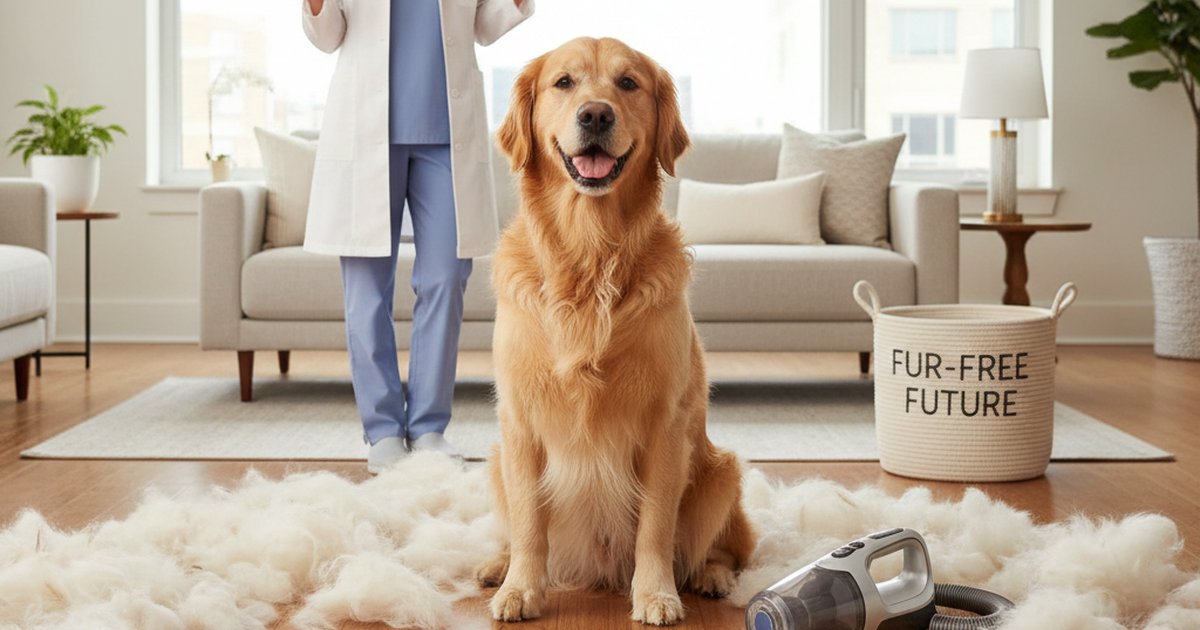
Let me give it to you straight. I’ve spent 15 years in the trenches of emergency animal hospitals, pulling dog hair out of my pockets, my coffee, and my scrubs. If you live with a dog, you’re going to deal with fur. You’ll probably accept a certain level of “dog smell” and constant vacuuming as just part of the deal.
But when your Husky is blowing coat so hard you could knit a whole new dog, or your Golden Retriever is chewing their own flank until it’s raw and bleeding just to relieve the itch, we’re way past needing a better vacuum. That’s when the shedding turns into a medical red flag.
Shedding is biology. Old hair dies and falls out to make room for new growth. But there is a massive difference between a normal seasonal blowout and the kind of hair loss that tells me your best friend is miserable.
Let’s talk about how to get the fur under control without hurting your dog, and how to know when you need to stop brushing and get your butt to the clinic.
Why Your Dog is Exploding with Fur
A dog’s hair cycle is simple: it grows, rests, dies, and drops. If you own a double-coated breed—think German Shepherds, Huskies, or Corgis—you already dread the change of seasons. They dump their dense undercoat in massive, fluffy clumps to prepare for the temperature shift.
But here’s the dirty detail we always check for when you bring them in: normal shedding leaves healthy skin and a shiny coat behind. If you part the fur and see fiery red skin, crusty scabs, or the remaining hair feels like dry straw, that isn’t just shedding. That’s a dog in distress.
Real-World Ways to Manage the Mess
I’ll be blunt: there is no magic pill, shampoo, or supplement that will stop a shedding breed from shedding. But you can manage the fallout.
Get the Right Brush (And Don’t Hurt Them With It)
The best defense is getting the dead hair off the dog before it gets ground into your couch. But you have to use the right tool, and you have to use it correctly.
- Short coats (Labs, Beagles, Pugs): Get a rubber curry brush. Scrub it in gentle circles over their coat. It grabs the loose, dead hairs and pulls them out without scratching the skin.
- Double coats (Huskies, Goldens, Aussies): You need an undercoat rake. It bypasses the top layer of fur to gently pull out the dead undercoat. Do this outside a couple of times a week.
- Long coats (Shih Tzus, Collies): Use a slicker brush and a metal comb. You must comb all the way down to the skin. If you only brush the top layer, the undercoat mats up close to the skin. Those mats pull tightly on the skin with every step the dog takes, trapping moisture and bacteria, leading to horrific, painful skin infections.
Tools like the FURminator can be great, but please listen to me: go easy. We see dogs come into the ER with “grooming burns” because an owner got too aggressive and literally scraped the top layer of their dog’s skin off.
Feed Them Like You Love Them
A dry, brittle coat sheds a hundred times worse than a healthy, hydrated one. If you’re feeding the cheapest kibble you can find, your dog’s skin is going to pay the price.
They need Omega-3 and Omega-6 fatty acids to keep their skin barrier strong and calm down internal inflammation. You don’t have to buy the $100 bags of boutique food, but look for a high-quality diet with real fish oil, or talk to your vet about adding a clinical-strength Omega supplement.
When It’s Not Just Shedding (The Medical Side)
If you’re brushing them, feeding them well, and they are still dropping hair like crazy—or worse, losing it in actual patches—you need to bring them in.
We see dogs come through the doors every single day who have chewed their own skin bloody because the itch is so maddening. Watch out for these absolute red flags:
- Actual bald spots (alopecia)
- Skin that looks angry, red, greasy, or feels hot to the touch
- Constant licking, chewing, biting, or scratching
- A foul, yeasty smell (like old corn chips) coming from their skin or ears
- Thick, flaky dandruff that won’t go away
These are not grooming issues. They are medical emergencies for your dog’s comfort.
- Allergies: Dogs get environmental and food allergies just like we do. But instead of getting a runny nose, their skin breaks out in an itchy, miserable rash. Breeds like French Bulldogs and Pitbulls are notorious for this—they are often genetic allergic disasters.
- Parasites: Fleas or microscopic mites (like Demodex or Sarcoptic mange) will make a dog literally tear their own hair out trying to stop the biting sensation.
- Skin Infections: Staph bacterial infections or overgrowth of fungal yeast can completely destroy hair follicles.
- Hormonal Wrecks: Conditions like Hypothyroidism or Cushing’s disease cause massive, symmetrical hair loss, usually on both sides of the torso.
The Reality of Vet Bills (And Why You Need Insurance)
When a dog comes in with patchy hair loss, bleeding hot spots, and chronic ear infections, it is never a cheap visit. We have to play detective to figure out exactly what’s destroying their skin.
An accident and illness pet insurance policy won’t pay for your fancy oatmeal shampoo or your groomer, but it is an absolute lifesaver when things go wrong. Let me give you the reality check on what diagnosing and treating a severe skin issue actually costs:
| What We Do In The Clinic | What It Costs You |
|---|---|
| The Exam Fee | $60 - $120 |
| Skin Scrapes & Cytology (Looking for mites, yeast, or bacteria under the microscope) | $80 - $200 |
| Blood Panels (To check thyroid levels and organ function) | $150 - $400 |
| Allergy Testing | $300 - $1,000+ |
| Monthly Meds (Like Apoquel pills or Cytopoint injections to stop the intense itching) | $80 - $250 every single month |
| The Damage for Year One | $670 - $2,000+ |
I hate seeing owners cry in the exam room. Not just because their dog is suffering, but because they simply cannot afford the $150 Cytopoint injection that will finally let their dog sleep through the night without scratching themselves raw. “Economic euthanasia” is a real, heartbreaking thing in our industry.
Having a solid pet insurance policy from a company like Lemonade, Embrace, or Pets Best means you get reimbursed for up to 90% of those eligible costs. It means you can look at the vet and say, “Do whatever they need,” without having a panic attack about your credit card balance.
The Bottom Line
You’re going to have dog hair in your house. Accept it. Brush them correctly, feed them a solid diet, and pay close attention to what’s underneath that fur. If the hair loss looks wrong, smells bad, or leaves raw, bald spots, don’t wait. Get them to the clinic.
And if you don’t have pet insurance yet, get it now, before those itchy paws and skin issues become a documented “pre-existing condition” that no company will ever cover.
Related Articles
(Content typically follows here)
Related Guides
(Content typically follows here)
Frequently Asked Questions
Can you completely stop a dog from shedding?
Look, unless you've got a hairless breed, the fur is going to fall out. It's just biology—old hair dies and drops to make room for the new. But you can absolutely stop those tumbleweeds from taking over your house with a serious brushing routine and a high-quality diet.
What dog breeds shed the least?
If you despise vacuuming, you want a Poodle, Bichon Frise, or Schnauzer. Their hair grows continuously like ours, rather than shedding out in clumps. Just be prepared: what you save on vacuum bags, you'll be handing over to the groomer every six weeks to prevent painful matting.
How can pet insurance help with excessive shedding?
Pet insurance isn't going to cover your FURminator or your groomer visits. But when your dog is suddenly dropping hair in patches because of a raging skin infection or a thyroid crash, insurance is a godsend. It handles the pricey diagnostics, skin scrapes, and those brutal monthly allergy injections like Cytopoint that actually give them relief.