
Disclosure: This post contains affiliate links. We may earn a commission at no extra cost to you. Our research is independent and unbiased.
Editorial Note: This article was researched with AI assistance and reviewed by licensed veterinary and insurance professionals before publication.
Kitten Insurance First Year Cost and Coverage Guide 2026
A comprehensive guide to the costs and coverage options for kitten insurance in their crucial first year. We break down vet bills, compare top ...

Pet Insurance Guide Research Team
Independent Analysts
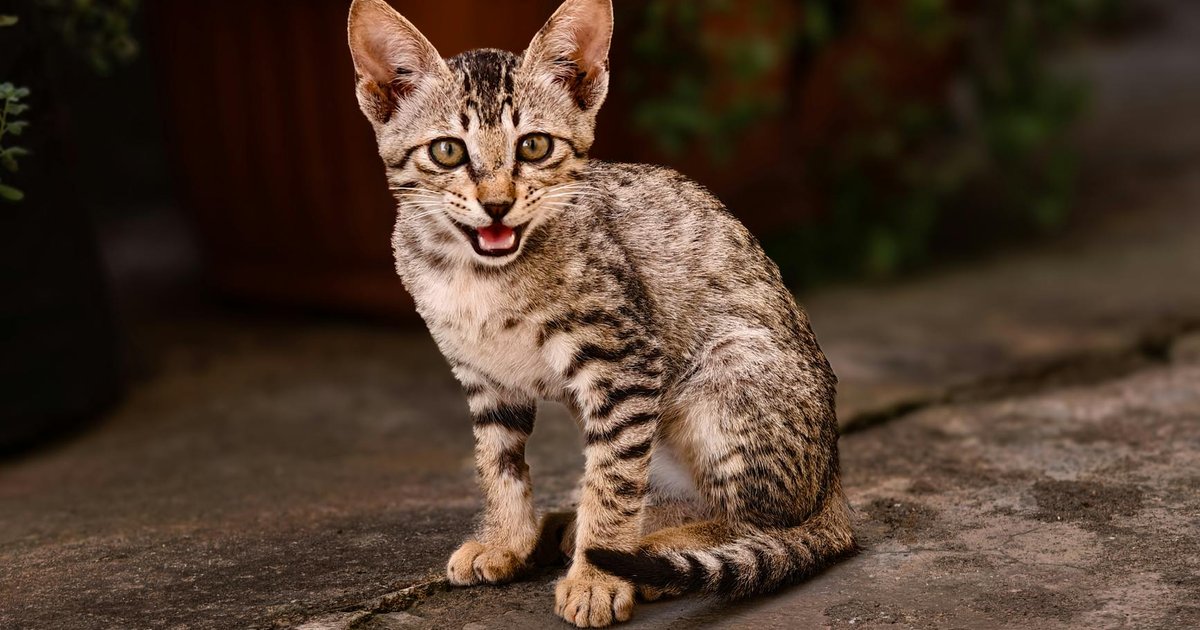
Your New Kitten: A Guide to First-Year Costs & Why Insurance Matters
Bringing a new kitten home is an incredibly exciting experience. Their playful antics and purring cuddles bring immense joy. But that first year, while full of memorable moments, is also a period of intense growth, development, and, consequently, numerous veterinary visits. Kittens are naturally curious and fragile, a combination that can unfortunately lead to unexpected accidents and illnesses.
This guide for 2026 breaks down the real costs you can expect in your kitten’s first year, explains what pet insurance covers, and helps you decide if it’s the right financial tool for your new furry family member.
What Does Kitten Insurance Actually Cover?
Understanding pet insurance is simple once you break it down into its two main parts: the core policy and the optional wellness add-on.
1. Accident & Illness (A&I) Coverage (The “Must-Have”) This is the heart of every pet insurance policy. It acts as your financial safety net for the unexpected. Think of it as health insurance for your cat, covering a wide range of surprise vet bills.
- Accidents: Broken bones from a fall, swallowing foreign objects (like string or hair ties), bite wounds, and other physical injuries.
- Illnesses: Infections (urinary tract, upper respiratory), digestive issues, skin conditions, and even serious hereditary or congenital conditions that may appear later.
- Emergency Care: The costs associated with emergency vet visits, hospitalization, surgery, and diagnostics like X-rays and bloodwork.
2. Preventive & Wellness Care (The “Nice-to-Have” Add-On) This optional coverage helps you budget for the predictable, routine costs of raising a healthy kitten. You pay an extra monthly premium, and the plan reimburses you up to a set amount for specific preventative treatments.
Common wellness plan coverages include:
- Spaying or Neutering
- Routine vaccinations (FVRCP, FeLV)
- Microchipping
- Annual wellness exams
- Flea, tick, and heartworm prevention
The Real Cost: A Breakdown of First-Year Kitten Expenses
Many new owners budget for food and toys but are surprised by the veterinary costs. Here’s a realistic look at what you can expect to spend in 2026, with and without insurance.
Guaranteed First-Year Vet Costs:
- Spay/Neuter: $250 - $600
- Initial Vaccination Series: $150 - $300
- Microchipping: $50 - $80
- Wellness Checkups: $100 - $200
- Total Routine Costs: $550 - $1,180
Potential “Surprise” Emergency Costs:
- Emergency visit for swallowing a toy: $1,000 - $3,500
- Treatment for a broken leg: $2,500 - $5,000+
- Severe upper respiratory infection: $400 - $900
- Urinary blockage (common in male cats): $1,500 - $4,000
Without insurance, just one serious accident could easily cost you more than a decade’s worth of insurance premiums.
How Much Does Kitten Insurance Cost in 2026?
The cost of a pet insurance plan depends on your location, the breed of your kitten (purebreds are often more expensive), and the coverage details you select (deductible, reimbursement percentage).
For a young, healthy domestic shorthair kitten in 2026, you can expect the following monthly premiums:
- Accident & Illness Plan: $25 to $50 per month. This is the essential coverage that protects you from catastrophic bills.
- Wellness Plan Add-On: An additional $20 to $30 per month.
For a total of $45 to $80 per month, you can have comprehensive coverage that protects you from both routine and emergency costs. When you compare that monthly fee to a potential $4,000 emergency bill, the value becomes crystal clear.
Comparing Top Pet Insurance Providers for Kittens
The market has excellent options, each with unique strengths. It’s wise to get quotes from a few before deciding.
- Lemonade: Known for its tech-forward platform, super-fast claims processing, and highly competitive pricing. Their base plans are very affordable, making them a great entry point for kitten owners. Their wellness add-on is also robust.
- Embrace: Offers fantastic, flexible wellness rewards that can be used for routine care and even grooming. They have a diminishing deductible feature that reduces your deductible by $50 each year you don’t file a claim.
- Trupanion: A top-tier provider focused on comprehensive emergency coverage. They are unique in their ability to often pay veterinarians directly at checkout, meaning you don’t have to wait for reimbursement. Their single, simple plan covers 90% of eligible costs after your deductible.
- Nationwide: One of the oldest names in the business, offering reliable and predictable coverage. They have plans that cover wellness and A&I together, which some owners find convenient.
- Pets Best: Highly customizable plans that allow you to adjust your deductible and reimbursement levels to find a price that fits your budget perfectly. They are also known for fast and easy claim filing through their mobile app.
The Final Verdict: Our Recommendation for 2026
So, is kitten insurance worth it? Absolutely.
For nearly every new kitten owner, a comprehensive Accident & Illness plan is an essential investment. The financial risk of a curious kitten having an accident is simply too high. For a manageable monthly cost, you get the peace of mind knowing that if the worst happens, you can make decisions based on your veterinarian’s advice, not your bank account balance.
The Wellness Plan add-on is a highly recommended budgeting tool for the first year. Given the guaranteed high costs of spaying/neutering and initial vaccinations, a wellness plan often pays for itself. Do the math: if a wellness plan costs you an extra $300 for the year but gives you $500 in reimbursement for services you were already going to get, you come out ahead.
Our recommendation for 2026:
- Prioritize a strong Accident & Illness policy from a reputable provider like Lemonade (for budget-friendliness) or Trupanion (for catastrophic coverage).
- Add a Wellness plan for the first year to help budget for the guaranteed costs of spaying/neutering and vaccinations. Embrace offers a particularly flexible option.
- Get quotes from at least three companies to compare costs and coverage details for your specific kitten and location.
By securing insurance early, you’re making a smart financial decision that ensures your kitten can receive the best possible care throughout their adventurous and unpredictable first year and beyond.
Related Guides
Frequently Asked Questions
When is the best time to insure my kitten?
">-" The ideal time to insure your kitten is as soon as you bring them home, typically around 8 to 10 weeks old. This ensures that any unexpected accidents or illnesses that crop up are not considered pre-existing conditions and will be eligible for coverage.
Does kitten insurance cover spaying or neutering?
">-" Standard accident and illness policies do not cover spaying or neutering. However, most insurance companies offer an optional wellness or preventive care plan as an add-on, which provides reimbursement for these routine procedures.
What is considered a pre-existing condition for a kitten?
">-" A pre-existing condition is any illness, injury, or symptom that your kitten showed signs of before the insurance policy's start date and waiting period ended. For example, if your kitten had an upper respiratory infection a week before you bought a policy, treatment for that condition would likely not be covered.
Is it better to just save money in an emergency fund instead of buying insurance?
">-" While having a savings account is a great idea, it can be a risky alternative to insurance. A single major emergency, like surgery for a broken bone, can cost over $5,000, wiping out savings instantly. Pet insurance provides a safety net for these high-cost, unpredictable events for a manageable monthly premium.