
Disclosure: This post contains affiliate links. We may earn a commission at no extra cost to you. Our research is independent and unbiased.
Editorial Note: This article was researched with AI assistance and reviewed by licensed veterinary and insurance professionals before publication.
Maine Coon Insurance Cost 2026: HCM & Hip Dysplasia
Maine Coons are gentle giants, but their massive size brings massive vet bills. From hidden heart conditions to crippling hip dysplasia, here is the blunt tr...

Pet Insurance Guide Research Team
Independent Analysts
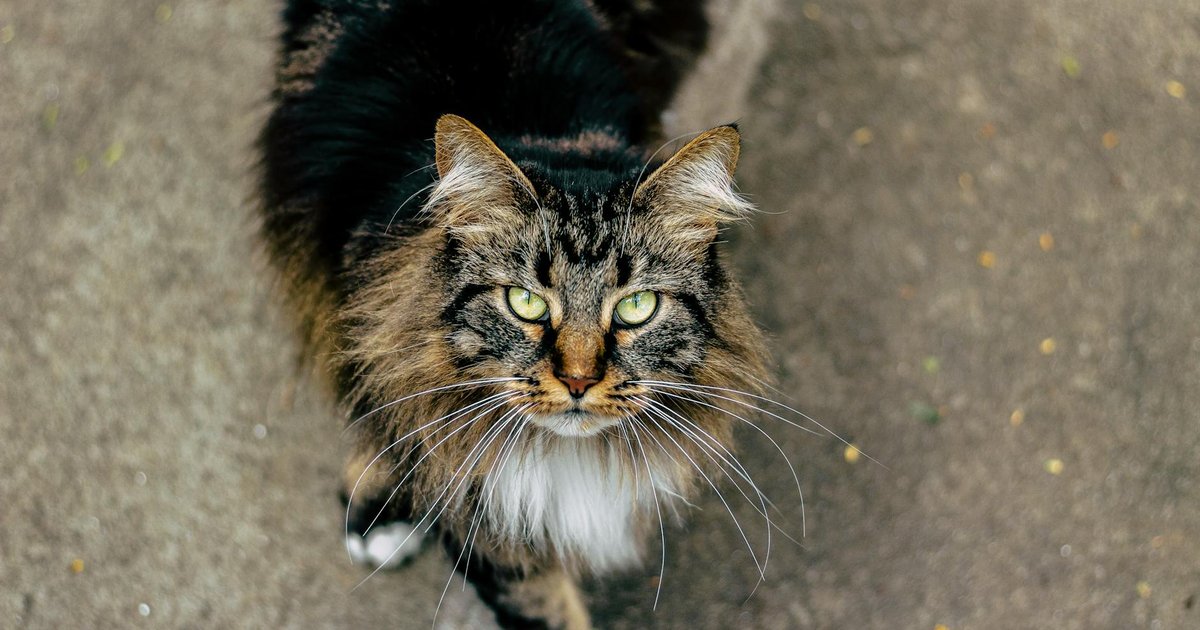
If you share your home with a Maine Coon, you already know about the trills, the dog-like loyalty, and the sheer amount of space they take up on your bed. They are the “Gentle Giants” of the cat world, often tipping the scales at 20+ pounds.
But after 15 years working in high-volume emergency vet clinics, I’ve learned a harsh truth: giant cats come with giant, heartbreaking health risks. I’ve sat in the quiet room of our clinic with too many owners, watching them cry because they had to choose between a $7,000 hip surgery or letting their majestic best friend go. We call it “economic euthanasia,” and it’s the absolute worst part of my job.
You don’t want to be in that chair. That’s why we need to talk about what actually goes wrong with these beautiful cats, and why you need a safety net in place before it happens.
🩺 The “Big 3” Health Risks
1. Hypertrophic Cardiomyopathy (HCM)
This is the silent killer in Maine Coons. HCM causes the heart muscle to thicken inward, leaving less and less room for blood to pump. Imagine trying to squeeze water through a straw that’s slowly swelling shut from the inside. Your cat literally suffocates from the inside out, often without any early warning signs.
- The Reality of the Cost: Diagnosing this takes a specialized ultrasound of the heart (an echocardiogram) that runs $600-$800 every single year. The daily medications just to keep them breathing comfortably add up fast.
- The Insurance Trap: You have to insure them before a vet hears a heart murmur. The second a murmur goes into their medical chart, the heart is considered a pre-existing condition, and you are paying out of pocket for the rest of their life.
2. Hip Dysplasia
People think hip dysplasia is just a German Shepherd thing. It’s not. These incredibly heavy cats put a massive load on their joints. When the hip joint doesn’t fit together perfectly, it grinds. It’s bone scraping painfully on bone every single time they try to jump onto the couch.
- What it looks like: If your giant cat starts hesitating before jumping, pulling themselves up heavily with their front legs, or limping, their hips are likely hurting.
- The Fix: A femoral head ostectomy (FHO) basically chops off the grinding part of the bone and lets scar tissue form a false joint. That’s about $2,000. A total hip replacement, giving them back a pain-free, normal life, will easily run you $7,000 per hip.
3. Spinal Muscular Atrophy (SMA)
This is a genetic nightmare where the nerves in the lower spinal cord die off, causing the muscles in the back legs to waste away. They lose their strength and their dignity. There is genetic testing for it, but if your cat develops it, the ongoing supportive care is physically exhausting and expensive.
💰 Insurance Cost Analysis (2026)
Here is the blunt truth: you are going to pay more to insure a Maine Coon than a regular barn cat, simply because the insurance companies know these genetic landmines exist.
Quotes for a 2-year-old Maine Coon in Chicago:
| Company | Monthly Premium | Deductible |
|---|---|---|
| Lemonade | $38 | $250 |
| Fetch | $45 | $300 |
| Trupanion | $62 | $0-$1000 |
Why the huge difference in price? Trupanion costs more upfront, but they don’t nickel-and-dime you on “hereditary conditions”—which is the exact reason you are buying insurance for a purebred cat in the first place. Cheaper policies might look great on paper until your cat’s hips give out and you read the fine print excluding genetic defects.
🛡️ What to Look For in a Policy
- Hereditary Disease Coverage: Do not sign anything if congenital and hereditary defects aren’t explicitly covered. This is non-negotiable for a Maine Coon.
- Dental Coverage: Maine Coons get terrible stomatitis—their own immune system aggressively attacks their gums. It’s agonizing. Taking all their teeth out so they can eat without screaming costs around $2,000. Make sure extractions are covered.
- High Annual Limits: A $5,000 annual limit is a joke for this breed. One bad weekend in the ER with heart failure or a single hip surgery will blow right through that. Get $15,000+ or unlimited coverage. Don’t cheap out here.
❓ Frequently Asked Questions
Do I need to test for HCM?
Look, any responsible breeder should be testing the parents. But as a tech, I’m telling you to ask your vet to run a “proBNP” blood test at their annual exam. It checks for physical stress on the heart muscle. It’s a relatively cheap early warning system before things get bad.
Is insurance really worth it if my cat stays strictly indoors?
For a regular domestic shorthair you found in a parking lot? Maybe not. For a purebred Maine Coon? Absolutely. Being indoors doesn’t stop genetic time bombs from going off. You aren’t insuring them against getting hit by a car; you’re insuring them against their own DNA.
Related Articles
- Cat Insurance 101: Complete Guide
- Indoor Cat Insurance Worth It
- Best Insurance for Senior Cats
- Hip Dysplasia Insurance Coverage
- Pre-Existing Conditions Guide
- Best Pet Insurance Companies 2026
Related Guides
- Is Pet Insurance Worth It?
- Pet Insurance Cost Guide
- Insurance vs. Savings
- Best Pet Insurance for Dogs
- Best for Puppies
- Best Pet Insurance for Cats
Frequently Asked Questions
Is Maine Coon insurance expensive?
Yes, slightly more than average cats. Expect to pay $40-$70/month because of their known genetic issues.
What is the biggest health risk?
HCM (Hypertrophic Cardiomyopathy). It is a genetic heart disease that can cause sudden death or heart failure.
Do cats get Hip Dysplasia?
Yes! Especially large breeds like Maine Coons. Hip replacement surgery costs $7,000+ per hip.