Disclosure: This post contains affiliate links. We may earn a commission at no extra cost to you. Our research is independent and unbiased.
Editorial Note: This article was researched with AI assistance and reviewed by licensed veterinary and insurance professionals before publication.
Best Pet Insurance for Shiba Inu Allergies in 2026: A Vet's Guide
Shiba Inus are notorious for severe environmental and food allergies that lead to raw, infected skin. As a vet tech, here's my blunt guide to the pet insuran...

Pet Insurance Guide Research Team
Independent Analysts
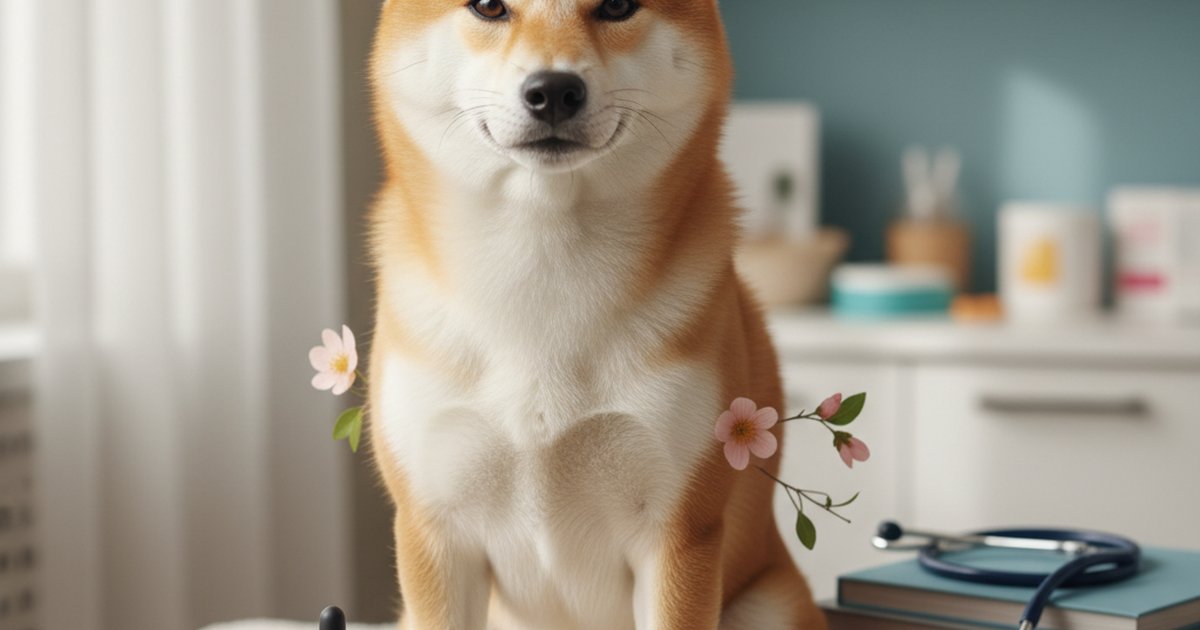
Working in a high-volume ER and general practice for 15 years, I can usually spot a Shiba Inu from the parking lot. They have that undeniable, dignified “doge” attitude, the dramatic vocal screams when you even think about trimming their nails, and… often, a very specific smell. Not a normal dog smell, but the distinct, corn-chip, yeasty odor of chronic skin allergies and ear infections.
Behind that beautiful, fox-like face is frequently a dog who is absolutely miserable—scratching their ears raw, chewing their paws until they bleed, and rubbing their faces along the carpet just to get a second of relief. If you’re bringing a Shiba into your home in 2026, you need to hear this blunt truth: they are absolute allergy magnets. The vet bills will break your heart and your bank account if you don’t get pet insurance before the itching starts.
Allergies are not a one-time fix. There is no cure. It is a lifelong, relentless management of symptoms, and the costs will bleed you dry if you aren’t prepared.
The Reality of Shiba Inu Allergies
Shibas are genetically hardwired for atopic dermatitis—a hypersensitive immune reaction to the world around them. It’s not something you did wrong; it’s just the genetic hand they were dealt.
Here is what your Shiba is likely reacting to:
- Environmental Allergies (Atopy): Pollen, grass, dust mites, and mold. You’ll see them flare up in the spring and fall.
- Food Allergies: Usually it’s the protein source (chicken or beef), not grains.
- Flea Allergy Dermatitis: One single flea bite can trigger a massive, whole-body inflammatory response.
What It Actually Looks Like
They don’t just get the sniffles. They destroy their own skin. You’ll see:
- Paws stained rusty-red from the saliva of constant licking.
- “Cauliflower ears”—thickened, chronically inflamed ear canals oozing dark brown, foul-smelling yeast.
- Hot spots: patches of skin they’ve chewed overnight that are suddenly hairless, bright red, and oozing pus.
- Hyperpigmentation: the skin on their belly literally turns black and thick like an elephant’s hide from months of chronic inflammation.
When you bring a dog in like this, my heart sinks. Not just for the dog, but because I have to hand the owner the estimate for the workup.
The Medical “Dirty Details” (And What They Cost)
We can’t just throw pills at a dog without knowing what’s wrong. To diagnose and treat a Shiba in an allergy flare-up, here is what we actually do in the treatment room:
- Skin Scrapes & Cytology ($120 - $300): I take a dull scalpel blade and literally scrape the top layers of your dog’s skin until it oozes just a bit, then squeeze the hair follicles to check for microscopic Demodex mites. Then we press tape to the oozing skin, stain it, and look under the microscope to count the yeast and bacteria multiplying on their body.
- Exam Fees ($70 - $120): You pay this every single time you walk through the door for a recheck.
- Food Elimination Trial ($80 - $150 per bag): We put them on a prescription hydrolyzed protein diet. The protein in this food is chemically broken down into pieces so microscopic that your dog’s immune system physically cannot recognize it to react to it. It’s brilliant science, but it’s incredibly expensive.
- Allergy Testing ($400 - $1,000+): We sedate your dog, shave a massive patch on their side, and inject dozens of tiny allergens into their skin to see what welts up, just like human allergy testing.
The Relentless Monthly Costs
Once we know what’s wrong, you are on the hook for managing it for the next 10 to 15 years.
- Apoquel ($100 - $220/month): A daily pill that modulates the immune system to stop the itch signal from reaching the brain. Miss a dose, and they’re chewing their feet again.
- Cytopoint ($90 - $160 per injection): A biological injection we give every 4 to 8 weeks. It neutralizes the itch-inducing proteins in the blood.
- Secondary Infections ($150 - $400 a pop): Antibiotics and anti-fungals for when they inevitably get a staph infection from scratching.
Over a 12-year lifespan, I’ve seen owners easily spend $15,000 to $30,000 just keeping their Shiba from ripping its own fur out. I have sat in Exam Room 2 and watched owners sob because they had to choose “economic euthanasia”—putting their otherwise healthy young dog to sleep because they simply couldn’t afford another $200 bottle of Apoquel to stop the suffering. Don’t put yourself in that room.
The Blunt Truth About Insurance
Pet insurance is your shield against making a financial decision about your dog’s life, but there is one absolute rule: No company covers pre-existing conditions.
If you wait until your Shiba is 6 months old and rubbing their face on the rug, it is too late. The vet writes “pruritus” (itching) in the chart, and boom—every skin, ear, and allergy issue for the rest of that dog’s life is denied coverage. You must buy the policy the day you bring the puppy home, while their medical record is a blank slate.
The Only Plans I Recommend for Shibas in 2026
When you’re dealing with a chronic, expensive disease, cheap insurance will fail you. You need a plan that covers prescription meds, specialist visits (dermatologists), and diagnostics without flinching.
Embrace Pet Insurance
I see a lot of Embrace policies in the clinic, and they are rock solid for allergies.
- Why it works: They cover the exam fees (which adds up when you’re in every 4 weeks for a Cytopoint shot), prescription medications, and the heavy diagnostic testing. Their coverage is straightforward.
- The Catch: It’s not the cheapest monthly premium, but when your dog is on lifelong Apoquel, you will easily get your money’s worth.
Trupanion
Trupanion is built exactly for nightmares like chronic Shiba allergies.
- Why it works: They have a “per-condition lifetime deductible.” That means you meet your deductible once for allergies (say, $250). After that, for the rest of your dog’s life, Trupanion pays 90% of all eligible allergy bills. They also offer direct vet pay—meaning I run your policy at my desk, and you only pay your 10% portion before you leave. It is a massive relief for owners.
- The Catch: They explicitly do not cover the veterinary exam fee, only the treatments and diagnostics.
Pets Best
A good middle-ground if you need to control your monthly budget.
- Why it works: You can customize the plan heavily and they also offer direct-vet-pay in many clinics. They cover exam fees and don’t have upper age limits for enrollment.
- The Catch: If you cheap out and pick a plan with an annual payout limit (like $5,000), a bad allergy year with a dermatologist workup will max it out fast, leaving you paying out of pocket in December.
Nationwide & Lemonade
Nationwide’s “Whole Pet” is decent, but absolutely avoid their older “Major Medical” plans—they use a benefit schedule that strictly caps what they pay for an ear infection, and you’ll be left holding the bag. Lemonade is fast and app-based, but you must manually ensure you select a massive annual payout limit ($20,000+) if you own a Shiba.
My Advice from the Trenches
Get Trupanion or Embrace.
If you want the peace of mind of having the exam fees covered every time you walk into the lobby, go with Embrace. If you want the financial security of a lifetime deductible where you never have to worry about hitting a limit on allergy meds again, go with Trupanion.
Whatever you do, don’t gamble on a Shiba Inu’s skin. Insure the puppy on day one. It is the kindest thing you can do for them, and for your own peace of mind.
Related Guides
Frequently Asked Questions
Is it too late to get insurance if my Shiba Inu already has allergies?
">-" Look, I hate having to break this news to owners in the clinic, but yes. Once your vet notes "itchy skin," excessive paw licking, or a yeasty ear infection in the chart, it's officially a pre-existing condition. Insurance won't touch those allergy bills. You should still get a policy for the unexpected stuff—like when they inevitably eat something they shouldn't or need knee surgery—but the allergy train has left the station.
Does pet insurance cover prescription food for allergies?
">-" It’s a mixed bag. Hydrolyzed protein diets are absurdly expensive, and some companies like Embrace or specific Nationwide plans will actually help cover the cost if it's prescribed by a vet for a covered condition. Others, like Trupanion, won't pay for the food itself. You have to read the fine print before you sign up, because feeding a Shiba a $120 bag of prescription kibble every few weeks for 12 years adds up fast.
How much should I expect to pay for pet insurance for a Shiba Inu in 2026?
">-" If you insure them as a puppy before the scratching starts, expect to pay around $40 to $75 a month. I know that sounds like a lot of treats and toys, but when you're staring down a $2,000 allergy workup at the dermatologist, that monthly premium feels like the best investment you ever made.
What's more important for allergies: a low deductible or a high reimbursement rate?
">-" For a chronic, relentless nightmare like allergies, you want the high reimbursement rate (like 90%). You'll hit your deductible fast anyway with all the Cytopoint injections and skin scrapes. What really saves you from having to choose between your dog's comfort and your rent is getting 90% back on the thousands of dollars you'll spend managing this over their lifetime.