
Disclosure: This post contains affiliate links. We may earn a commission at no extra cost to you. Our research is independent and unbiased.
Editorial Note: This article was researched with AI assistance and reviewed by licensed veterinary and insurance professionals before publication.
Does Pet Insurance Cover Pre-Existing Conditions? What You Need to Know
A veteran vet tech explains exactly how pet insurance handles pre-existing conditions, the truth about 'curable' issues, and why waiting to...

Pet Insurance Guide Research Team
Independent Analysts
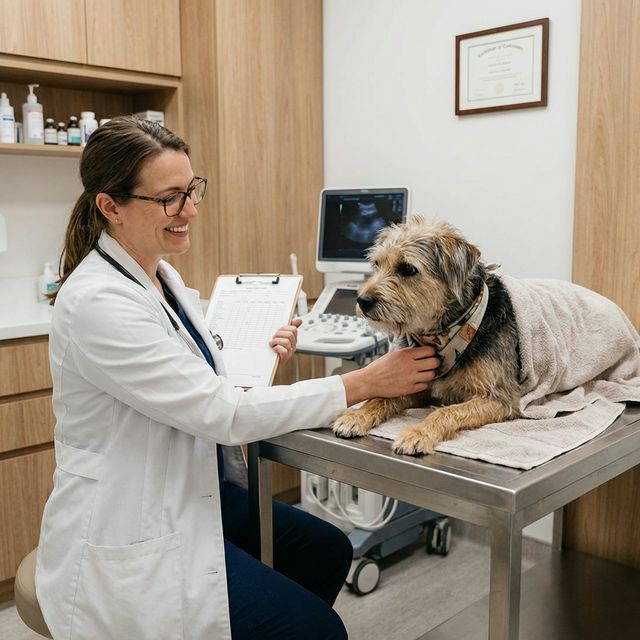
I’ve spent 15 years working the floor in high-volume veterinary emergency rooms, and there is one conversation I dread having more than any other.
An owner rushes through the doors carrying their lethargic, vomiting Golden Retriever. We run bloodwork and take x-rays, and the vet delivers the bad news: the dog ate something he shouldn’t have, it’s causing a life-threatening intestinal blockage, and emergency surgery will cost $4,500.
The color drains from the owner’s face. They panic and ask me, “Can I buy pet insurance right now on my phone to cover this?”
My answer, heartbreakingly, is always no. Because at that exact moment, the blockage is a pre-existing condition.
I have held too many crying owners as they choose “economic euthanasia”—putting a beloved pet down simply because they can’t afford the medical bill. I’m telling you this bluntly because I want you to understand exactly how insurance companies view your pet’s health history, so you don’t end up in that awful situation.
Here is the hard truth about pre-existing conditions and pet insurance.
What Actually Counts as “Pre-Existing”?
A lot of owners think a pre-existing condition means a formal, official diagnosis from a specialist. It doesn’t.
To an insurance company, a pre-existing condition is any health issue, illness, or injury that showed symptoms before your policy officially kicked in (including the mandatory waiting period).
Here’s what that looks like in the real world:
- Chronic Illnesses: Diabetes, cancer, epilepsy.
- Orthopedic Disasters: Hip dysplasia (where the hip joint constantly grinds, often requiring a $5,000+ total hip replacement), or a torn cranial cruciate ligament (the dog version of an ACL).
- Allergies: Atopic dermatitis. If your French Bulldog has been chewing his paws raw since he was a puppy, that’s pre-existing.
- Undiagnosed Symptoms: This is the big one. If you tell the vet during a routine checkup, “He’s been limping a bit on his right back leg,” we write that down. If he fully tears that ligament three months later and you just bought insurance last week, the claim will be denied because the symptom was documented before coverage started.
The Difference Between Curable and Incurable
Not all pre-existing conditions are a life sentence of claim denials. The better insurance companies actually draw a line between things that go away and things that don’t.
Curable Conditions (The Good News)
These are temporary miserable moments that eventually clear up completely.
- A gnarly double ear infection
- A urinary tract infection (UTI)
- A bout of stress colitis (severe diarrhea)
- An upper respiratory infection (like kennel cough)
If your pet gets a UTI, clears it up with antibiotics, and goes a full 12 to 18 months without a single urinary symptom, many insurers (like Embrace) will hit the reset button. If they get another UTI two years later, it’s covered as a new issue.
Incurable/Chronic Conditions (The Bad News)
These are the permanent, lifelong management diseases. They never go away, and an insurance company will never cover them if your pet showed signs before enrollment.
- Diabetes: Meaning you’ll be paying out of pocket for insulin, syringes, and glucose curves for the rest of their life.
- Allergies: Cytopoint injections and Apoquel pills aren’t cheap, and dogs with severe allergies need them constantly.
- Heart Disease or Arthritis: Progressive diseases that only get more expensive to treat as the animal ages.
How Insurers Find Out About Your Pet’s History
I get asked this constantly: “Can’t I just… not tell them?”
No. When you submit your first major claim, the insurance company will ask us (your vet clinic) for your pet’s complete, unedited medical records. By law, we have to send them everything.
We write down the history you give us in the exam room. If you casually mention, “Oh yeah, she threw up a few times last month but seemed fine,” it goes in the chart. When the insurer reads that chart, they use those dates to determine what is and isn’t covered.
The Bilateral Trap (Watch Out for This)
If you own a large breed dog, listen closely. Let’s talk about bilateral conditions—issues that can happen on both sides of the body.
The most common is a torn CCL (that knee ligament we talked about earlier). If a dog blows out their left knee, orthopedic surgeons know there is a massive statistical chance they will blow out the right knee within a year or two because they shift all their weight over to compensate.
Because of this, if your dog tore their left knee before you bought insurance, almost every provider will refuse to cover the right knee if it tears later. It’s considered a pre-existing bilateral risk.
Can You Still Get Insurance with Pre-Existing Conditions?
Yes, and you absolutely should.
Let’s say you adopt a 5-year-old Boxer who already has diagnosed skin allergies. The insurance policy will never pay for his allergy meds or his medicated baths.
But Boxers are notoriously cancer-prone. They are also goofy and prone to eating things they shouldn’t. When that same Boxer develops mast cell tumors at age 7, or needs a $3,000 emergency surgery because he swallowed a tennis ball, your insurance will cover it because cancer and foreign body ingestion have nothing to do with his pre-existing allergies.
My Blunt Advice to Pet Owners
- Insure them the day you get them. Puppies and kittens have clean slates. Insure them before they have a medical file thicker than a phone book.
- Survive the waiting period. Most policies have a 14-day wait for illnesses. Keep your new pet safe, calm, and away from the dog park until that coverage officially kicks in.
- Don’t wait for a diagnosis. If you notice your pet acting sick, don’t buy insurance and wait 14 days while they suffer just to get coverage. Go to the vet. Their life is worth more than gaming the system, and insurance fraud will just get your policy canceled anyway.
The best time to buy pet insurance was the day you brought them home. The second best time is today. Do it before the next random limp or weird coughing fit becomes a pre-existing condition that haunts your wallet forever.
Related Articles
- Why Pet Insurance Claims Get Denied
- Best Pet Insurance for Puppies
- Cat Insurance 101
- Embrace Pet Insurance Review
- Understanding Deductibles
- Best Pet Insurance Companies 2026
Related Guides
- Is Pet Insurance Worth It?
- Pet Insurance Cost Guide
- Insurance vs. Savings
- Best Pet Insurance for Dogs
- Best for Puppies
- Best Pet Insurance for Cats
Frequently Asked Questions
Can I get pet insurance if my pet has a pre-existing condition?
Absolutely. I see pets with chronic allergies get insured all the time. The insurance won't pay for their allergy meds, but when that same dog swallows a sock and needs a $3,000 emergency foreign body surgery, the policy kicks in to save the day.
What counts as a pre-existing condition in pet insurance?
If it's in their medical chart—even just a note from the vet saying 'owner noticed a slight limp'—before your policy's waiting period is up, it's pre-existing. It's not just official diagnoses; it's any documented symptom.
Do any pet insurance companies cover pre-existing conditions?
None of them cover chronic stuff like diabetes or hip dysplasia if it's already diagnosed. But some companies will forgive 'curable' things—like a nasty ear infection or a UTI—if your pet goes a full 12 months without any symptoms or treatment for it.