
Disclosure: This post contains affiliate links. We may earn a commission at no extra cost to you. Our research is independent and unbiased.
Editorial Note: This article was researched with AI assistance and reviewed by licensed veterinary and insurance professionals before publication.
What Feeding Purina Cat Chow Taught Me About $3,000 ER Bills
As an ER vet tech, I see how a cat's diet impacts their health. Let's talk about dry food, urinary blockages, and why pet insurance saves feline lives.

Alex Carter
Veterinary Medicine Expert
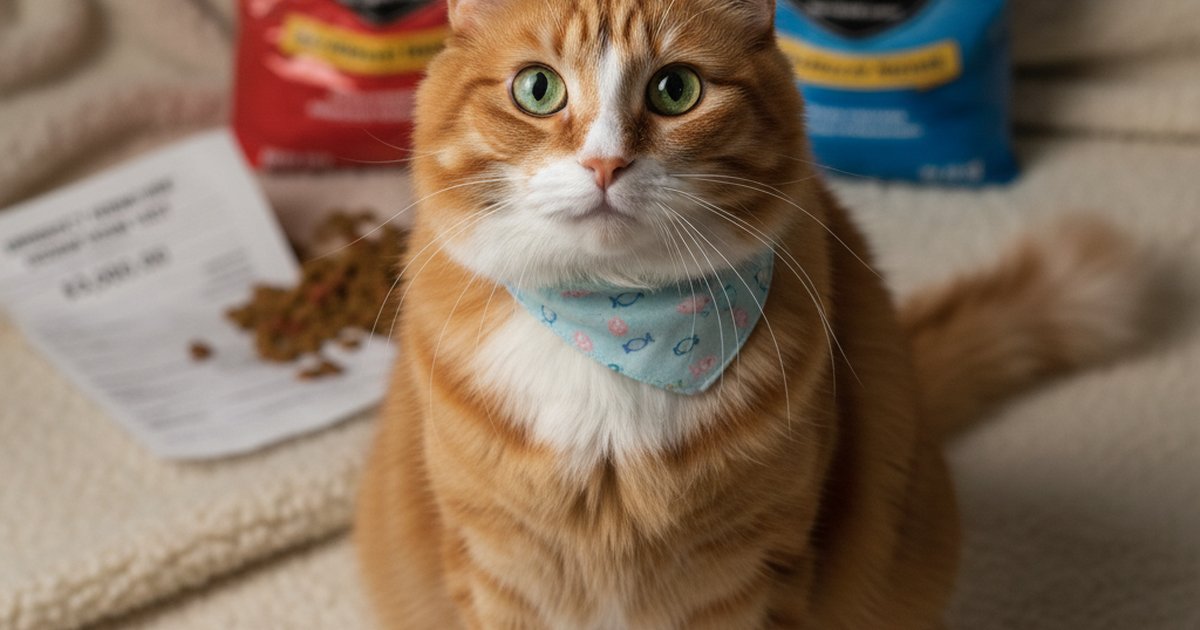
It’s 2:00 AM on a Tuesday, and the sliding glass doors of the emergency animal hospital slide open. A frantic owner rushes in holding a laundry basket. Inside is a three-year-old male tabby cat, yowling a low, guttural sound that makes the hair on my arms stand up. The smell hits me before the basket even hits the triage counter—the sharp, unmistakable odor of concentrated cat urine mixed with pure panic.
“He keeps going to the litter box but nothing is coming out,” the owner cries.
I don’t need to look at the chart to know what’s happening. We have a blocked tomcat. And I know, with sick certainty, that the next 30 minutes are going to involve a massive medical estimate, a lot of tears, and potentially the worst conversation an owner can have.
In my 15 years as an ER vet tech, I’ve seen thousands of cats come through our doors. When we take their history, we always ask what they eat. A huge percentage of the time, the answer is a grocery store staple like Purina Cat Chow. It’s accessible, cats love the taste, and it keeps them fed. I am not here to shame anyone for feeding affordable kibble.
But I am here to tell you the blunt truth about feline biology, dry diets, and why relying solely on your savings account for your cat’s health is a gamble you don’t want to take.
The Dry Food Dilemma and Feline Biology
Cats evolved as desert animals. In the wild, they get most of their hydration directly from their prey. Their thirst drive is naturally incredibly low. When you feed a strictly dry kibble diet—whether it’s Purina Cat Chow or a $90 boutique bag of dry food—your cat is existing in a state of mild, chronic dehydration.
When a cat doesn’t take in enough water, their urine becomes highly concentrated. In male cats, who have a urethra as narrow as a pinhole, this is a recipe for disaster. Minerals in the urine clump together to form microscopic crystals. These crystals mix with mucus in the bladder to form a gritty, sand-like plug that lodges right at the tip of the penis.
Suddenly, your cat physically cannot pee.
The “Dirty Details” of a Urinary Obstruction
When a cat is blocked, the urine backs up into the kidneys. Toxins that should be flushed out of the body build up in the bloodstream. Potassium levels skyrocket, which will eventually stop the heart. It is an excruciatingly painful way to die, and it happens fast—usually within 24 to 48 hours.
Fixing this isn’t as simple as giving them a pill. When that tabby cat hits my treatment table, we have to move immediately.
We pull blood to check his kidney values and potassium. We administer heavy IV sedation. Then, we lay him on his back, carefully extrude the penis, and pass a rigid plastic tomcat catheter into that tiny, inflamed opening. We flush sterile saline back and forth, trying to break up the gritty sand plug so we can push the catheter into the bladder. Once we are in, the relief is instant, but the urine that drains out is often dark red and thick with blood.
We then sew the catheter to his prepuce so it stays in place, hook him up to a collection bag, and hospitalize him on IV fluids for two to three days to flush the toxins out of his kidneys.
The Financial Reality of the ER
Here is the part that breaks my heart. The medical estimate for unblocking a cat, including the bloodwork, sedation, catheterization, IV fluids, and a three-day hospital stay, runs anywhere from $1,500 to $3,500 depending on your location.
If the cat blocks a second or third time—which is incredibly common—we have to perform a Perineal Urethrostomy (PU) surgery. This is where the veterinary surgeon amputates the penis and creates a wider opening so the male cat urinates more like a female. That surgery costs between $4,000 and $6,000.
I have sat in quiet, dimly lit consultation rooms and watched owners absolutely shatter when they see that $3,000 estimate. They love their cat. They feed them, brush them, and let them sleep on their pillows. But they simply do not have $3,000 on a random Tuesday night.
This leads to “economic euthanasia.” It is the ugliest phrase in veterinary medicine. It means we have to put a young, otherwise healthy animal to sleep simply because the owner cannot afford the life-saving procedure. I have held the paws of too many cats as they took their last breath for this exact reason. It guts me every single time, because it is entirely preventable.
Why Pet Insurance is Mandatory for Cat Owners
If you own a cat, especially a male cat eating a dry diet like Purina Cat Chow, you need pet insurance. Period. Do not wait until they are screaming in the litter box.
Pet insurance is the only thing standing between your pet’s life and a devastating financial decision. When you have a solid policy, that $3,500 ER bill turns into a $350 out-of-pocket expense.
How the Big Providers Handle Emergencies
- Trupanion: I love seeing Trupanion in the ER because they offer direct vet pay. If our hospital is set up with their software, we submit the claim at the front desk. Within five minutes, Trupanion approves it and pays the hospital directly. You only pay your deductible and your 10% co-insurance. You don’t have to max out your credit cards waiting for a reimbursement check.
- Pets Best and Lemonade: These are fantastic, affordable options that process claims quickly. You might pay $20 to $30 a month for a young cat. If your cat blocks, you pay the ER upfront, snap a picture of the invoice on their app, and usually have the thousands of dollars deposited back into your checking account within a few days.
- Nationwide: If your cat ends up needing a lifelong prescription urinary diet (which costs significantly more than standard Purina Cat Chow), some higher-tier Nationwide plans or specific wellness riders actually help cover the cost of therapeutic diets.
The Bottom Line from the Treatment Room
You can absolutely keep feeding your cat standard kibble. But if you do, please buy a pet water fountain to encourage drinking, consider mixing a spoonful of wet food or warm water into their Purina Cat Chow, and get pet insurance right now.
Do not wait until your cat is sick. Pet insurance companies do not cover pre-existing conditions. If your cat has a urinary blockage today and you buy insurance tomorrow, they will never cover a urinary issue for the rest of that cat’s life.
Lock in a policy while your cat is healthy. Pay the $25 a month. Consider it the cost of peace of mind. Because when it’s 2:00 AM and your cat needs me to save their life, the only thing I want you worrying about is comforting your pet—not how you’re going to pay the bill.
Frequently Asked Questions
Will pet insurance pay for my cat's Purina Cat Chow or other food?
Standard pet insurance policies do not cover everyday maintenance kibble like Purina Cat Chow. However, if your cat develops a medical issue and needs a prescription diet (like Purina Pro Plan Veterinary Diets UR), some providers like Trupanion or Embrace offer optional wellness or prescription food riders that will cover a portion of that specific therapeutic food.
Can I just add water to my cat's dry food to prevent urinary blockages?
Yes, adding warm water or low-sodium chicken broth to dry kibble is an excellent, cheap way to increase your cat's water intake. Cats are notoriously bad at drinking from bowls. I always tell owners that any extra moisture you can sneak into their diet helps flush out the bladder and prevents those microscopic crystals from turning into a life-threatening plug.
What are the first signs my male cat is blocked?
If you see your male cat going in and out of the litter box, crying, licking his genitals obsessively, or only producing drops of bloody urine, get to the ER immediately. Do not wait until morning. A blocked cat can die within 24 to 48 hours.