Disclosure: This post contains affiliate links. We may earn a commission at no extra cost to you. Our research is independent and unbiased.
Editorial Note: This article was researched with AI assistance and reviewed by licensed veterinary and insurance professionals before publication.
Purina One Cat Food, Blocked Bladders, and the 3 AM ER Run
Feeding your cat Purina One is a solid choice, but no diet makes them invincible. An ER vet tech explains why pet insurance is your real safety net.

Alex Carter
Veterinary Medicine Expert
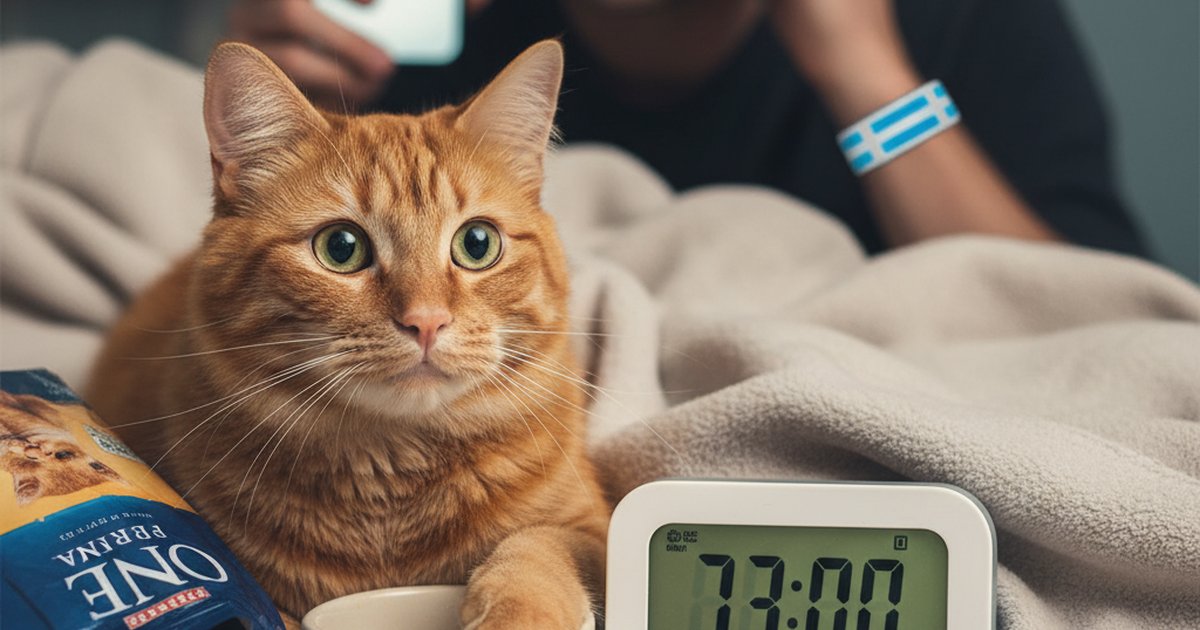
It’s 2:30 AM on a Tuesday. The sliding glass doors of the emergency clinic slide open, and a terrified owner rushes in holding a carrier. Inside, a two-year-old orange tabby is howling—a deep, guttural sound that makes the hair on my arms stand up.
As a veterinary assistant with 15 years in the ER trenches, I know that sound before I even look at the intake sheet. It’s a blocked tom.
When we get the cat to the back, his bladder feels like a rock-hard grapefruit. His heart rate is dropping because the potassium from his backed-up urine is poisoning his bloodstream. We rush to stabilize him, and out in the lobby, the owner is sobbing.
Between tears, she points to the intake form where she listed his diet. “I feed him Purina One cat food. The bag says urinary tract health! Did I do this? Did I feed him the wrong thing?”
I hate this moment. I hate the guilt owners carry, and I hate the conversation that comes next: the estimate. Unblocking a cat, flushing the bladder, and keeping them hospitalized on IV fluids for three days isn’t cheap. You are looking at a bill between $2,500 and $4,000.
This is where the rubber meets the road in veterinary medicine. Diet is important, but no bag of kibble is an insurance policy.
The Truth About Diet and Feline Emergencies
Let’s get one thing straight: Purina One cat food is a perfectly fine, science-backed grocery store diet. Purina employs actual veterinary nutritionists, and their foods meet strict industry guidelines. If your cat is doing well on it, has a shiny coat, and leaves solid poops in the litter box, you are doing a good job.
But here is the dirty detail about feline biology: cats are descended from desert dwellers. They have incredibly low natural thirst drives because they evolved to get their moisture from the blood and tissue of their prey.
When you feed a strictly dry kibble diet—whether it’s a $15 bag of Purina One or a $60 bag of boutique grain-free food—your cat is likely walking around in a state of mild, chronic dehydration. Highly concentrated urine is the perfect breeding ground for microscopic minerals to clump together into crystals. Those crystals form a gritty sludge, and in male cats, whose urethras are as narrow as a pinhole, that sludge creates a plug.
Suddenly, your cat can’t pee. The toxins back up. The kidneys start to fail.
The Medical Reality of a Blockage
When an owner authorizes treatment for a blocked cat, it’s an intensive, hands-on process. We sedate your cat. We take a tiny, flexible catheter and carefully thread it up the urethra. Sometimes, the grit is so packed in there that we have to flush saline back and forth for twenty minutes just to break through the plug.
Once we are in, the urine that drains out often looks like straight blood. We suture the catheter to your cat’s prepuce, hook them up to a closed collection system, and start them on heavy IV fluids to flush the kidneys and bring their potassium levels down. They stay in the hospital on pain meds and muscle relaxers for days.
If you don’t have the $3,000 to pay for this, the only humane alternative is euthanasia. I have held the paws of hundreds of young, otherwise perfectly healthy cats as they were put to sleep simply because their owners didn’t have the funds. We call it “economic euthanasia,” and it is the single most soul-crushing part of my job.
Why You Need Insurance Regardless of What’s in the Bowl
Many pet owners fall into the trap of thinking, “I feed high-quality food, keep my cat indoors, and take them to their annual checkups. I don’t need pet insurance.”
This is a dangerous gamble. Diet does not prevent accidents. Purina One isn’t going to stop your cat from swallowing a threaded sewing needle that requires a $4,500 emergency abdominal surgery. It won’t prevent your cat from developing hyperthyroidism at age ten, requiring daily medication or a $2,000 radioactive iodine treatment. It certainly won’t stop them from developing lymphoma.
Pet insurance is the buffer between your heart and your wallet. It means that when you are standing in my ER at 3 AM, wearing pajama pants and smelling like cat urine, your only question is, “What does he need?” instead of, “How much is this going to cost?”
How Different Policies Handle the Unexpected
If you are looking at insurance companies, here is how the big players handle the realities of feline medicine:
Trupanion: This is a heavy hitter in the ER. They offer direct pay to the hospital, meaning if your bill is $3,000, you only pay your deductible and your 10% co-insurance at the front desk. Trupanion pays the rest directly to us within minutes. For a panicked owner with only $500 in their checking account, this literally saves lives. They also have riders that cover a portion of prescription diets (like Purina Pro Plan UR) if your cat needs it after a blockage.
Lemonade: If you want fast, app-based claims, Lemonade is fantastic. They process claims incredibly quickly using AI, often reimbursing you within days. They are generally more affordable month-to-month, making them a great option for owners who just want a safety net for major catastrophes like a swallowed hair tie or a broken leg.
Pets Best: I see a lot of owners use Pets Best because they offer a 5% multi-pet discount and have very customizable deductibles. They are great for covering chronic conditions that cats develop later in life, like kidney disease or diabetes.
Embrace: Embrace has a diminishing deductible feature, meaning if your cat is healthy and you don’t file a claim for a year, your deductible drops by $50. They also offer a wellness rewards program that can help offset the cost of routine bloodwork and vaccines.
Stop Blaming the Food, Start Protecting the Cat
If your cat ends up in the ER, stop beating yourself up over the Purina One cat food. Genetics, stress, water intake, and bad luck play massive roles in your cat’s health.
Instead of agonizing over the kibble aisle, take that energy and put it into getting a pet insurance policy while your cat is young and healthy. Do it before they start straining in the litter box. Do it before they start vomiting up the string from your sweatpants. Once a cat has a urinary blockage, every insurance company will consider it a pre-existing condition, and they will never cover urinary issues for the rest of that cat’s life.
I want to see you and your cat in the clinic for your annual vaccines. I want to tell you how handsome your tabby is and send you on your way. But if I do have to see you at 3 AM when everything has gone wrong, I want you to have the financial freedom to say, “Do whatever it takes to save him.”
Get the insurance. Add a pet water fountain to your living room to get them drinking more. And go give your cat a scratch behind the ears.
Frequently Asked Questions
Will pet insurance cover prescription food if my cat gets blocked?
It depends on the policy. Trupanion is one of the few that actually covers a portion of prescription diets (like Purina Pro Plan UR or Hill's c/d) if it's treating a specific illness. Most standard policies from Lemonade or Pets Best won't cover the food itself, but they absolutely cover the $3,000 ER bill to unblock the cat.
Is Purina One cat food causing my male cat's urinary crystals?
Not necessarily. Purina One is a solid, WSAVA-compliant food. The bigger issue is usually moisture. Cats are desert animals with low thirst drives. If they only eat dry kibble—any brand of dry kibble—their urine gets highly concentrated, which allows crystals to form. Add wet food or get a pet fountain.
What are the signs my cat has a urinary blockage?
Straining in the litter box, crying while trying to pee, licking their genitals obsessively, or leaving drops of bloody urine around the house. If you see this, drop everything and go to the ER. It is a life-threatening emergency, not a 'wait until Monday' problem.