Disclosure: This post contains affiliate links. We may earn a commission at no extra cost to you. Our research is independent and unbiased.
Editorial Note: Cost data in this article is sourced from published veterinary industry reports (NAPHIA, AVMA, VPI). This is an informational resource, not veterinary or financial advice. For health concerns, consult a licensed veterinarian.
Is Rabbit Insurance Worth It? Calculating the True Cost of GI Stasis
Rabbits are medically fragile. 2026 breakdown of GI stasis treatment, dental costs, and what a midnight rabbit ER visit actually costs.

Independent Analysts
Find Breed Health Risk & Compare Coverage
Calculate realistic veterinary treatment costs and actuarial insurance reimbursement rates for your pet's exact breed.
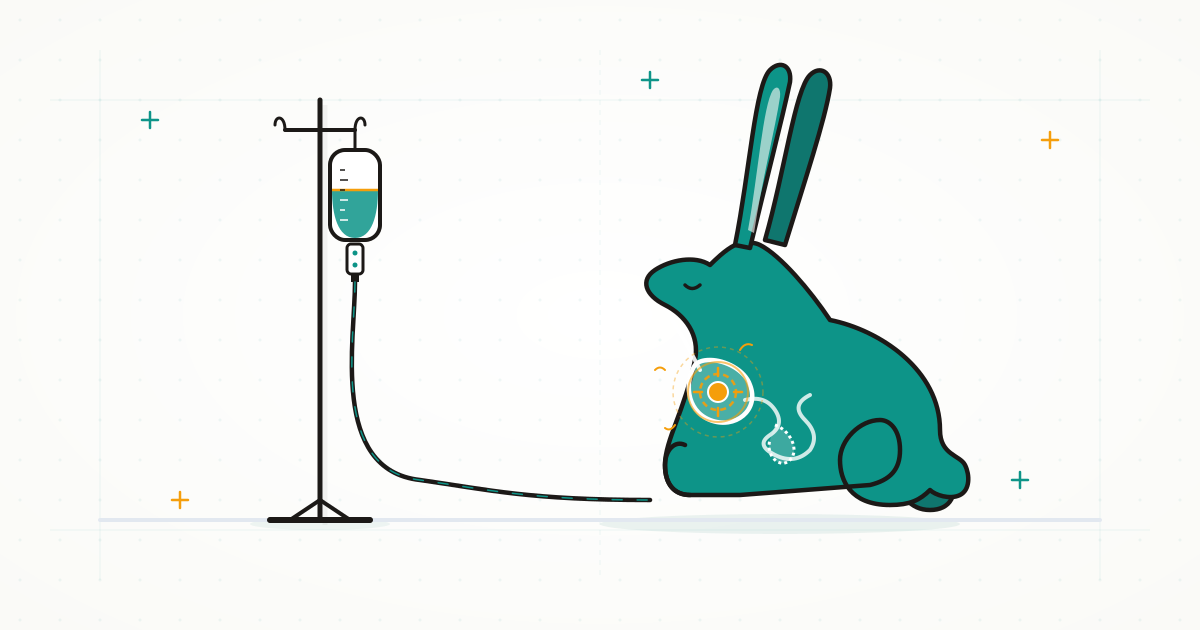
Rabbits are popular companion animals with specialized medical needs that differ from dogs and cats. Often mischaracterized as low-maintenance pets, rabbits are fragile and require expert care. As prey species, they instinctively conceal illness and pain. Consequently, by the time an owner notices a symptom—such as decreased appetite or lethargy—the rabbit is often in a medical crisis. Veterinary research notes that early intervention is critical for survival, but specialized care can be costly. Pet insurance can help offset these costs — compare coverage terms before purchasing.
The Physiology of Rabbit Emergencies
Understanding the financial implications of rabbit ownership requires examining their specific physiological vulnerabilities.
Gastrointestinal Stasis (GI Stasis)
Gastrointestinal stasis, or ileus, occurs when the muscular contractions of the digestive tract slow or cease. Published surveys indicate that GI stasis is a leading reason rabbits require emergency admission. When gut motility stops, gas accumulates, causing pain and dehydration. This leads to an impacted mass blocking the tract. Without treatment, rabbits can enter hypothermic shock and die within 24 to 48 hours.
Continuous Dental Growth and Malocclusion
Rabbits have open-rooted teeth that grow continuously. To wear them down, they need a high-fiber diet, primarily grass hay. If a rabbit suffers from malocclusion (misalignment), teeth cannot wear down naturally. They form sharp spurs that lacerate the tongue and cheeks, making eating painful. Left untreated, dental disease causes severe weight loss and starvation.
Encephalitozoon Cuniculi
Encephalitozoon cuniculi (E. cuniculi) is a microsporidian parasite targeting the kidneys and central nervous system. Many rabbits carry it latently, but stress or immunosuppression can trigger active disease. Symptoms include a severe head tilt, loss of balance, nystagmus, and kidney failure. Treatment requires diagnostic testing and prolonged specialized medication.
The Real Cost of Veterinary Care for Rabbits
Veterinary research notes that medical treatment for exotic pets requires specialized training and equipment, which is reflected in the cost of care. Standard exotic exams generally run between $80 and $120, and emergency interventions can quickly escalate into thousands of dollars.
| Insurance Parameter | Standard Range / Coverage Terms |
|---|---|
| Monthly Premium | $18 - $30 (varies by age and location) |
| Deductible | $100 - $250 (annual or per-incident options) |
| Reimbursement Rate | 50%, 70%, or 90% of eligible veterinary bills |
| Annual Limit | Typically capped around $10,000 |
Financial Impact of Major Scenarios
Data shows that treating the most common rabbit health crises involves significant financial planning:
-
Gastrointestinal Stasis:
- Outpatient Care: Mild cases caught early may be treated with subcutaneous fluids, pain medication, and gut motility stimulants. These outpatient visits typically range from $300 to $500.
- Inpatient Care: Severe cases require hospitalization for continuous intravenous fluid therapy, heat support, oxygen therapy, and intensive syringe feeding. Inpatient costs often range from $1,200 to $2,500 or more depending on the duration of the hospital stay.
-
Dental Malocclusion Treatment:
- Sedated Dental Burring: Treating sharp dental spurs requires general anesthesia or heavy sedation to safely grind down the teeth. A single procedure costs between $400 and $800.
- Ongoing Maintenance: Dental malocclusion is frequently a lifelong chronic condition. Affected rabbits often require professional dental trims every 3 to 6 months, representing a recurring cost of $800 to $3,200 annually.
-
E. Cuniculi Management:
- Diagnostics and Treatment: Diagnosis involves blood titers and organ function panels, followed by weeks of antiparasitic and anti-inflammatory drugs. Total costs for diagnostics, medication, and supportive nursing care frequently exceed $1,000.
Exotic Pet Insurance Policy Terms
Because rabbits require specialized veterinary care, selecting an appropriate insurance policy is different from choosing coverage for a dog or cat. Pet insurance can help offset these costs — compare coverage terms before purchasing.
Understanding Exclusions and Pre-Existing Conditions
Data shows that insurance providers strictly enforce pre-existing condition exclusions. If a rabbit has a documented history of GI stasis, dental malocclusion, or any other medical issue prior to the policy’s effective date or during the waiting period, all future treatments related to that condition will be excluded from coverage. Therefore, establishing coverage early is crucial to securing comprehensive protection.
Age Restrictions and Wellness Riders
Veterinary research notes that senior rabbits (typically age 5 and older) are at higher risk for chronic health issues. Some insurance policies place age limits on new enrollments or exclude older rabbits from certain illness coverage. Additionally, base policies typically focus on accidents and illnesses. Routine care, such as annual exams, vaccinations (such as for Rabbit Hemorrhagic Disease Virus, or RHDV), and preventative procedures, may require an additional wellness rider.
Spaying and Neutering Costs
Spaying or neutering a rabbit is highly recommended to prevent reproductive cancers—such as uterine adenocarcinoma, which affects up to 60-80% of intact female rabbits over the age of 3—and to manage territorial behaviors. However, surgical procedures on rabbits are complex due to their sensitivity to anesthesia. A rabbit spay or neuter typically costs between $400 and $800. Some pet insurance policies offer partial reimbursement for these procedures through wellness add-ons.
Best Practices for Rabbit Enrollment
To maximize the benefits of veterinary coverage and safeguard a rabbit’s health, owners should follow several key strategies:
- Enroll Early: Secure a policy immediately after adoption. This ensures the medical record is free of pre-existing conditions, maximizing future coverage.
- Find an Exotic Vet: Locate a veterinarian specializing in lagomorph medicine before an emergency occurs, as standard clinics often do not treat rabbits.
- Plan for Reimbursements: Most policies reimburse owners after they pay the clinic. Maintain an emergency fund or credit line to cover upfront costs before receiving the reimbursement.
Frequently Asked Questions
Does pet insurance cover GI Stasis?
Yes. Gastrointestinal stasis is covered under standard exotic pet insurance policies, provided the rabbit did not have a documented history of the condition prior to enrollment. Covered treatments typically include diagnostic testing, veterinary exams, fluid therapy, medications, and hospitalization.
How much is a vet visit for a rabbit?
The cost of a routine veterinary exam for a rabbit generally ranges from $80 to $120. However, because rabbits require specialized exotic care, fees can be 20% to 50% higher than those for dogs or cats. Emergency treatment for GI stasis can range from $300 for basic outpatient care to over $2,500 for intensive overnight hospitalization.
Which companies insure rabbits?
Coverage for exotic pets like rabbits is offered by select insurance providers. Pet insurance can help offset these costs — compare coverage terms before purchasing.
Data Sources
- NAPHIA Annual Report
- AVMA Pet Industry Statistics
- Published veterinary cost surveys
Find Breed Health Risk & Compare Coverage
Calculate realistic veterinary treatment costs and actuarial insurance reimbursement rates for your pet's exact breed.
Frequently Asked Questions
Does pet insurance cover GI Stasis?
Yes, and thank god for that. GI Stasis (ileus) is the number one reason we see bunnies in the ER. As long as your rabbit didn't have a documented bout of it before you bought the policy, standard exotic insurance covers the fluids, the meds, and the overnight stays.
How much is a vet visit for a rabbit?
Finding a vet who actually knows rabbit medicine is hard, and they charge for that expertise—usually 20-50% more than a dog or cat vet. A basic exam will run you $80-$120, but if your bunny stops eating and you hit the ER for stasis, you're looking at $1,500+ before you can even blink.
Which companies insure rabbits?
Right now in the US, Nationwide is basically the only major player that takes exotics seriously. A few newer companies are testing the waters, but Nationwide is the one we actually see paying out claims at the hospital desk.
Find Breed Health Risk & Compare Coverage
Calculate realistic veterinary treatment costs and actuarial insurance reimbursement rates for your pet's exact breed.