Disclosure: This post contains affiliate links. We may earn a commission at no extra cost to you. Our research is independent and unbiased.
Editorial Note: This article was researched with AI assistance and reviewed by licensed veterinary and insurance professionals before publication.
Ragdoll Cat Insurance Guide: Kidney & Heart Risks: 2026 Guide
Ragdoll cats are sweet but face genetic risks like HCM and PKD. A vet tech explains why you need coverage for these indoor-only floppy friends.

Pet Insurance Guide Research Team
Independent Analysts
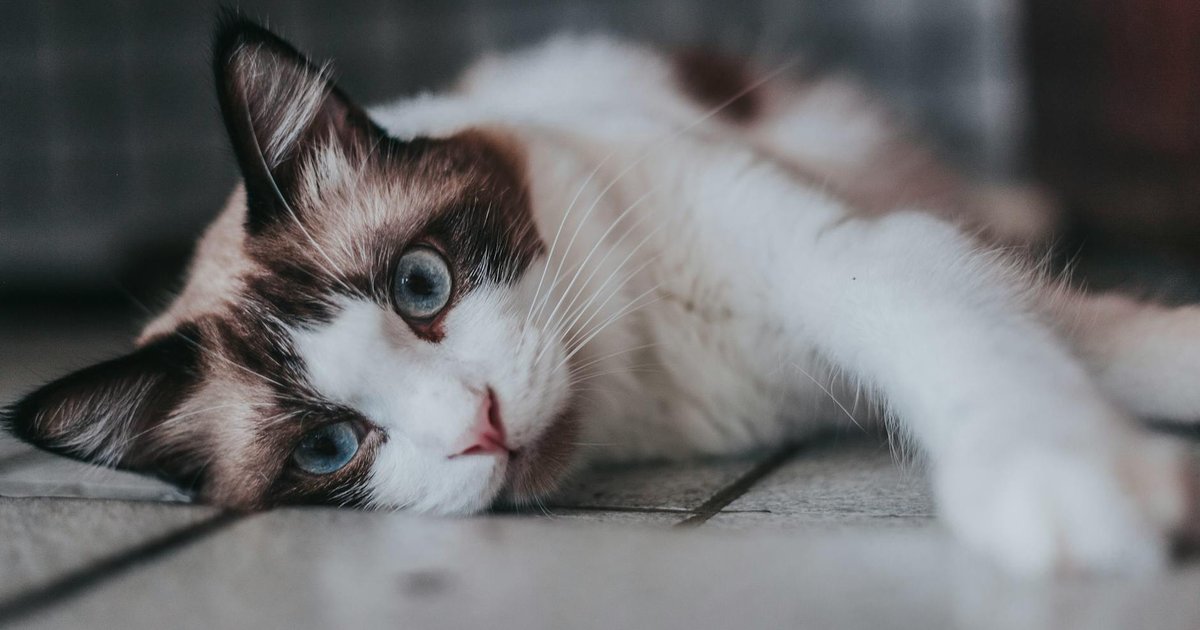
Ragdolls are the ultimate lap cats. When you pick them up, they just melt into your arms like a furry noodle. They’ll follow you to the bathroom, stare into your soul with those ice-blue eyes, and demand snuggles until your legs go numb.
But let me be blunt with you. After 15 years in the ER, I can tell you those beautiful blue eyes and that sweet temperament come with some heavy genetic baggage. I’ve held the paws of too many weeping owners who didn’t realize that “purebred” often means “purely expensive medical bills.”
🩺 The Hard Truth: Breed-Specific Risks
1. Hypertrophic Cardiomyopathy (HCM)
Just like Maine Coons, Ragdolls carry a specific genetic mutation for HCM. This isn’t just a mild heart murmur. The heart muscle physically thickens, forcing the heart to work twice as hard to pump blood. Eventually, it leads to heart failure, or worse—a sudden, agonizing blood clot in the back legs (a “saddle thrombus”) where they suddenly paralyze. It’s one of the worst things I have to witness in the clinic.
- The Reality: A quick swab can test for the specific Ragdoll mutation, but even if it’s negative, they can still develop the disease.
- The Bills: You’re looking at $500 to $1,000 just for the initial echocardiogram (an ultrasound of the heart) with a specialist, plus $50 to $200 a month in lifelong meds like beta-blockers just to keep their heart from giving out.
2. Polycystic Kidney Disease (PKD)
This is a nasty inheritance from their Persian ancestors. Little cysts form inside the kidneys and slowly grow, literally crushing the normal working tissue until the organs just quit.
- The Reality: There’s no cure. We just try to slow it down with prescription diets ($100/mo) and teaching you how to stick a needle under their skin at home to give them subcutaneous fluids.
- The Bills: When they inevitably have a “kidney crash,” they’ll need days in the hospital on IV fluids to flush out the toxins their kidneys can’t filter. That’s a $1,000 to $3,000 stay, easily. This is exactly where a good insurance policy saves lives.
3. The Nightmare Hairballs (Trichobezoars)
Ragdolls have that gorgeous, semi-long coat, and they are fastidious groomers. That means they swallow a ton of hair.
- The Reality: We’re not talking about a little furball on the rug. We’re talking about a rock-hard mass of hair that completely blocks their intestines. They start vomiting, can’t hold down water, and get incredibly lethargic.
- The Bills: When that hairball won’t pass naturally, we have to cut them open. We make an incision in the abdomen, slice into the intestine, and pull out a foul-smelling, solid log of hair. An obstruction surgery like this will set you back around $3,000. Brush them daily, folks.
🏆 My Honest Insurance Picks for Ragdolls
If you own a Ragdoll, you need insurance. Period. Don’t wait until you hear a heart murmur to try and get it. Here’s what I actually recommend when owners ask me at the clinic.
1. Fetch Pet Insurance
- Why I like it: They don’t mess around with hereditary conditions. If your Ragdoll develops HCM or PKD down the line, they actually cover the heavy-hitting specialist visits and diagnostics.
- The Bonus: They are shockingly good about dental coverage. Ragdolls don’t have the worst teeth I’ve seen, but stomatitis and gum disease still happen, and full-mouth extractions are thousands of dollars.
2. Lemonade
- Why I like it: If you’re stressed about the monthly cost, Lemonade gives you a very cheap base rate. It’s a great “catastrophe” policy for those $3,000 hairball surgeries or sudden broken bones.
- Pro-Tip: If you just brought home a Ragdoll kitten, tack on their Preventative package. It pays for those initial vaccine series and the spay/neuter, which really helps offset your upfront kitten costs.
❓ The Question I Hear Every Day
”But my cat never goes outside. Do I really need insurance?”
Absolutely, 100% yes.
I hear this constantly. “But he’s an indoor cat!” Look, indoor cats don’t usually get hit by cars. But indoor cats do inherit fatal heart defects, grow cysts in their kidneys, form bladder stones that require emergency surgery to scoop out, and swallow string toys that slice up their intestines.
For a Ragdoll, the biggest threats are GENETIC, not environmental. Staying inside the living room won’t stop their heart muscle from thickening.
💰 How to Save Money (and Your Sanity)
- Swab Them Early: Get the genetic test done when they’re a kitten. Knowing they have the HCM gene won’t cure it, but it means we can start screening early instead of waiting for a crisis.
- Show Up for Annuals: Don’t skip the yearly checkup. I can catch a heart murmur with a $20 stethoscope long before you’d ever notice them acting sick at home.
- Brush Their Teeth: Yes, it sounds ridiculous. Do it anyway. Buy poultry-flavored toothpaste and a baby toothbrush. It saves you a massive dental bill later.
- Keep Them Lean: A fat Ragdoll is a recipe for diabetes and joint pain. Feed measured meals, not an open buffet.
Related Articles
- Maine Coon Insurance Cost
- Indoor Cat Insurance Worth It
- Cat Insurance 101
- Best Insurance for Senior Cats
- Pre-Existing Conditions Guide
- Best Pet Insurance Companies 2026
Related Guides
- Is Pet Insurance Worth It?
- Pet Insurance Cost Guide
- Insurance vs. Savings
- Best Pet Insurance for Cats
Frequently Asked Questions
How much is Ragdoll insurance?
Expect to pay around $30 to $50 a month. Honestly, for a large breed with this much genetic baggage, it's a small price to pay for peace of mind.
Do Ragdolls have kidney issues?
Yes, Polycystic Kidney Disease (PKD) is a huge risk inherited from their Persian ancestors. Cysts slowly destroy the normal kidney tissue over time.
Are bladder stones common?
Absolutely. They're magnets for calcium oxalate stones, which usually means a $2,000 surgery to literally cut the stones out of their bladder before it bursts.