
Disclosure: This post contains affiliate links. We may earn a commission at no extra cost to you. Our research is independent and unbiased.
Editorial Note: This article was researched with AI assistance and reviewed by licensed veterinary and insurance professionals before publication.
Large Parrot Insurance: Macaws, African Greys & 60-Year Vet Bills (2026)
Macaws and African Greys are a 60-year commitment. Learn the gritty details of feather plucking, heavy metal toxicity, and how pet insurance can sa...

Pet Insurance Guide Research Team
Independent Analysts
Large Parrot Insurance: A 60-Year Commitment
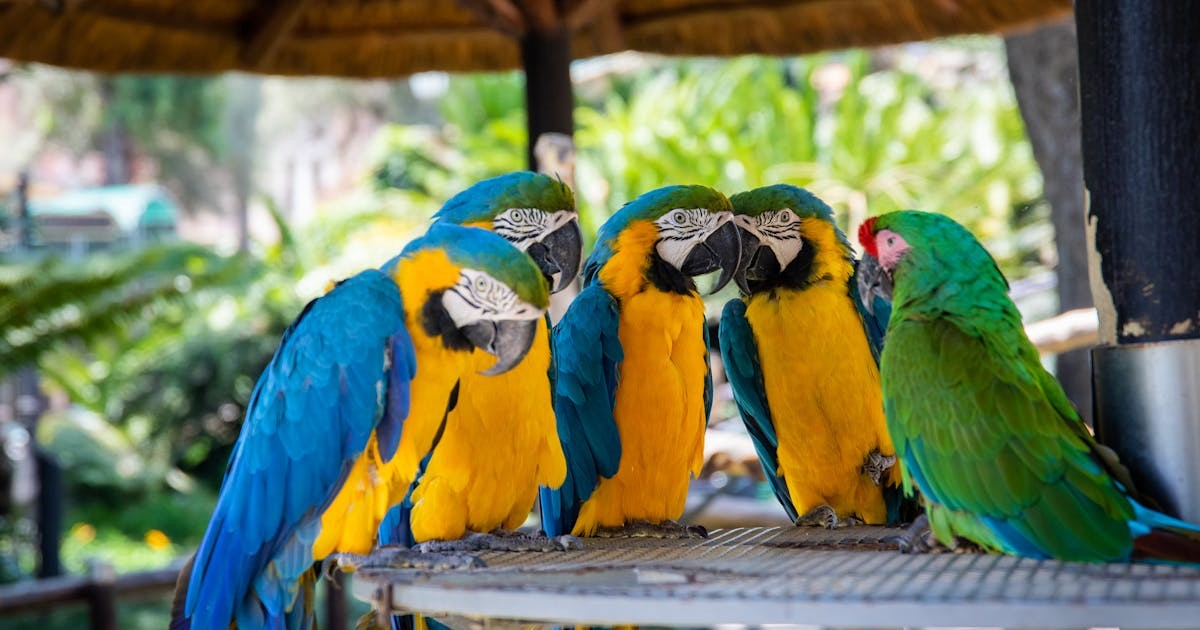
Owning a Macaw, African Grey, or Cockatoo isn’t just having a pet; it’s adopting a fiercely intelligent, incredibly loud flying toddler that is going to be with you for the next six to eight decades.
In my 15 years working as a vet tech in emergency hospitals, I’ve seen these incredible birds come in for everything from swallowed toys to severe emotional distress. I love them, but the reality is harsh: they are incredibly messy, they demand hours of your attention every single day, and their medical bills are staggering.
The hardest part of my job isn’t the blood or the screaming—it’s watching an owner break down because their 30-year-old bird needs a $4,000 life-saving treatment, and they simply don’t have the money. We call it “economic euthanasia,” and it shatters my heart every time.
If you’re bringing one of these majestic birds into your home, you need a plan for the next 60 years. Let’s talk about the real medical costs you’re going to face, and how insurance can be the difference between a tragic goodbye and a full recovery.
The Psychological Crisis: Feather Destructive Behavior (FDB)
What is FDB?
Large parrots are whip-smart. If you leave them alone for eight hours a day while you’re at work, with no foraging toys or training, they lose their minds. Literally. Boredom, stress, or the hormonal frustration of reaching sexual maturity without a mate often leads to Feather Destructive Behavior (FDB).
They will compulsively pluck out their own beautiful feathers until their chest and wings are totally bald. In the worst cases, I’ve seen them tear into their own skin, leaving deep, open wounds that require immediate surgical closure. It’s a heartbreaking cry for help.
The Treatment Nightmare
Fixing FDB isn’t a quick trip to the vet. It’s an exhausting, expensive process.
Step 1: Rule Out Medical Causes ($500-$1,500) Before we can treat it as a behavioral issue, we have to make sure they aren’t sick.
- Blood Work ($200-$400): We draw blood to check for underlying infections or severe hormonal imbalances.
- Skin Biopsy ($300-$600): We take a small punch of their skin to rule out mites, parasites, or fungal infections driving them crazy.
- X-rays ($150-$300): Looking for internal masses or tumors that might be causing referred pain.
Step 2: Behavioral Intervention ($1,000-$3,000) If the tests come back clean, we’re looking at a deeply ingrained psychological habit.
- Avian Behaviorist Consults: Expect to pay $200-$400 per session, and you’ll need several.
- Psychotropic Drugs: Yes, we put parrots on Prozac or Clomicalm ($50-$150/month) to calm their anxiety enough to break the cycle.
- E-Collar ($50-$100): We have to fit them with a specialized collar so they literally cannot reach their chest to keep tearing themselves open while the skin heals.
You’re looking at $2,000-$5,000 for a moderate case.
Is it covered? It’s tricky. If we find a medical cause like a bacterial infection on that skin biopsy, your insurance will usually cover it. If it’s purely behavioral, standard plans often exclude it unless you paid extra for a behavioral add-on.
The Physical Threats They Face
1. Heavy Metal Toxicity
Parrots explore the world with their beaks. They will chew on everything—old cages, the paint on your window sills, cheap metal toys, even the zinc-coated hardware on their perches.
When they ingest lead or zinc, it poisons their nervous system. They come into the ER lethargic, vomiting, or in the middle of active seizures. It is terrifying to watch.
The Fix:
- Hospitalization ($1,000-$2,000): They will be in the ICU for 3 to 5 days.
- Chelation Therapy ($500-$1,500): We have to give them specific injectable medications that bind to the heavy metals in their bloodstream so their body can pee it out.
- Supportive Care ($500-$1,000): They usually can’t eat, so we’re placing feeding tubes and pushing IV fluids to keep their kidneys flushing.
Total Cost: $2,000-$4,500. This is a classic emergency, and thankfully, it’s covered by illness policies.
2. Proventricular Dilatation Disease (PDD)
This is the diagnosis every avian vet dreads giving. PDD is a fatal viral disease (Avian Bornavirus) that attacks their digestive tract and nerves. The nerves controlling their stomach die off, meaning they eat constantly but just regurgitate or pass undigested food. They literally starve to death with a full stomach.
There is no cure. Most birds are euthanized within 6 to 12 months after we confirm it.
Buying Time: We can’t fix it, but we can make them comfortable for a little while with anti-inflammatory drugs ($50-$100/month) and intensive tube feeding ($200-$400/month).
Total Cost: $1,500-$3,000 over the course of the disease. Insurance helps cover this palliative care, giving you time to say goodbye.
3. Atherosclerosis (Heart Disease)
For decades, people fed parrots generic seed mixes loaded with sunflower seeds and peanuts. It’s like feeding a child nothing but fast food. All that fat causes massive cholesterol blockages in their arteries.
Diagnosis and Care: When they come in gasping for breath or fainting, we have to do cardiac ultrasounds ($400-$800) and extensive blood work ($200-$400).
We’ll force a diet change to healthy pellets (which they will stubbornly fight you on) and put them on daily heart medications ($50-$150/month) to keep their blood pumping.
Total Cost: $1,000-$2,000 just for the initial diagnosis and the first year of meds. Because it’s a chronic illness, insurance is a lifesaver here.
The Estate Planning Reality
I always ask owners of young birds: “Who is taking your parrot when you pass away?”
If you buy a Macaw at age 30, that bird could easily live until you are 90. Your parrot may outlive you. Estate planning isn’t just for rich people; it’s mandatory for large parrot owners.
You need to designate a guardian in your will and ideally set aside funds in a trust for their lifetime care. Having an active pet insurance policy on the bird means you aren’t just handing your child or friend a massive financial burden if the bird suddenly needs a $5,000 heavy metal detox.
Nationwide: The Only Real Option for Exotics
When it comes to birds, you don’t have a dozen companies to choose from. Right now, Nationwide’s Avian & Exotic Pet Plan is basically the gold standard (and often the only standard).
- Monthly Premium: Usually $20-$35 for a young parrot.
- Reimbursement: They’ll pay you back 70% to 90% of the vet bill.
- Deductible: Usually a low $50-$250 before coverage kicks in.
It covers the big, scary stuff: heavy metal toxicity, PDD care, heart disease, and medically-driven feather plucking. It won’t cover routine beak and nail trims, pre-existing conditions, or purely behavioral issues (unless you upgrade).
The Math: Why You Insure Them Before Age 5
You have to get the policy while they are young and healthy. FDB often starts rearing its ugly head between 5 and 10 years old. Heart disease starts showing up between 10 and 20. If you wait until they start pulling their feathers out, no insurance company will cover it—it’s a pre-existing condition.
Let’s look at the numbers. If your 10-year-old bird gets heavy metal toxicity, the bill is $3,500. With 90% coverage, insurance pays $3,150. You’ve paid roughly $3,600 in premiums over those 10 years, so you essentially break even right there. But remember, you still have 50 years of life left with that bird. When the chronic issues like arthritis or heart disease set in during their later decades, the insurance will save you tens of thousands of dollars.
The Blunt Truth
Yes, large parrot insurance is absolutely worth it—but only if you are truly committed to 60 years of ownership.
Skip it if you already have $50,000 sitting in a dedicated trust fund for the bird, or if you can honestly look at yourself in the mirror and say you’d choose euthanasia over a $5,000 emergency bill.
For the rest of us, get a quote from Nationwide before your bird turns 5. It is a tiny monthly price to pay to ensure you never have to make a life-or-death decision based on your bank account.
Related Guides:
- Cockatiel Insurance (egg binding)
- Budgie Insurance (tumor risks)
- Avian Vet Cost Breakdown
Related Guides
- Is Pet Insurance Worth It?
- Pet Insurance Cost Guide
- Insurance vs. Savings
- Best Pet Insurance for Cats
Frequently Asked Questions
Is feather plucking covered by insurance?
">-" It depends on the root cause. If we run tests and find a medical reason like a skin infection or parasites, yes. If it's purely psychological from boredom, standard plans usually won't cover it without a specific behavioral add-on. Always check the fine print!
How long do Macaws live?
">-" A healthy Macaw can easily live 60 to 80 years. I always tell owners: your bird will likely outlive you. You aren't just planning for a pet's lifetime; you're planning for an estate, and decades of exotic vet care adds up fast.
What is the most expensive parrot health issue?
">-" Heavy metal toxicity is the big one we see in the ER. They chew on an old painted cage or a shiny zipper, and suddenly they're in the ICU. Hospitalization and chelation therapy to pull the heavy metals from their blood easily hits $3,000 to $5,000.