Disclosure: This post contains affiliate links. We may earn a commission at no extra cost to you. Our research is independent and unbiased.
Editorial Note: This article was researched with AI assistance and reviewed by licensed veterinary and insurance professionals before publication.
Vet Insurance Secrets: 5 Claims Insiders Won't Tell You (2026)
An insider's guide to how vet clinics handle insurance claims. Learn the difference between 'medical necessity' and 'elective' to get paid.

Dr. Sarah Chen
Veterinary Advisor
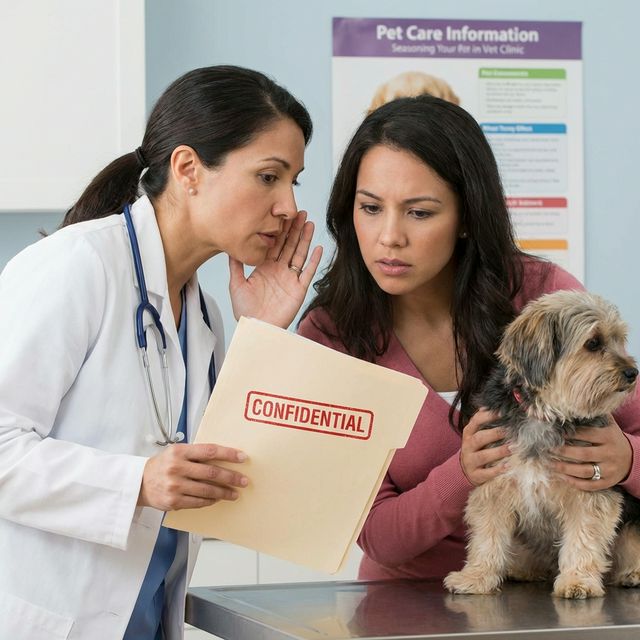
Insurance companies and veterinary clinics speak different languages. To maximize your reimbursement, you need to learn to speak “Vet.”
🎬 Expert Interview
In this candid interview, a seasoned Veterinary Technician reveals the backend process of how clinics submit claims and what triggers red flags.

🤫 The 5 Secrets
1. “Bilateral Exclusions” are Everywhere
If your dog tears a left knee ligament, the right knee is often dead to them. Read the policy.
2. The “Curable” Condition Loophole
Some insurers forgive pre-existing conditions if they are “cured” for 180 days (e.g., ear infection). Others ban them for life. Know which one you have.
3. Exam Fees Add Up
A $200 vet bill might be $80 exam fee + $120 meds. If your plan excludes exam fees (like Healthy Paws), you only get reimbursed on the $120.
4. Direct Pay is Rare
Only Trupanion and a few others truly pay the vet. Most are “Reimbursement.” You need a credit card with space.
5. Premiums Will Increase
“Lock-in” rates don’t exist. Expect 5-10% increases annually due to inflation and pet age.
🔍 How to Win
Dr. Sarah Chen’s Tip:
“The Medical Record is God.”
If you mention “Oh, he was limping last month” during a checkup, I have to write it down. That casual comment just created a pre-existing condition. Be honest, but be accurate.
Related Articles
Knowledge is power. Don’t let the fine print surprise you.
Frequently Asked Questions
Do vets prefer specific insurance companies?
Yes. Vets love Trupanion because they pay the clinic directly (Vet Direct Pay). Other companies require the owner to pay upfront.
Can a vet help my claim get approved?
Absolutely. How your vet words the 'SOAP notes' (medical records) often determines if a claim is paid or denied as pre-existing.
What is the #1 reason claims are denied?
Incomplete medical records. Insurers need the full history to rule out pre-existing conditions. Always send full records.